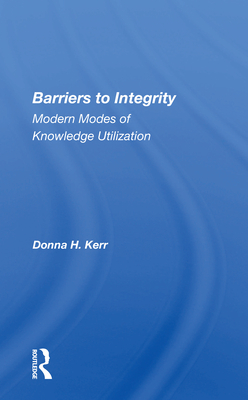
Barriers to Integrity : Modern Modes Of Knowledge Utilization
Book Details
Format
Hardback
ISBN-10
0367012286
ISBN-13
9780367012281
Publisher
Taylor & Francis Ltd
Imprint
Routledge
Country of Manufacture
GB
Country of Publication
GB
Publication Date
Jun 7th, 2019
Print length
128 Pages
Weight
400 grams
Product Classification:
Sociology
KSh 30,950.00
Currently unavailable
0 in stock
Delivery Location
Delivery fee: Select location
Secure
Quality
Fast
In the world of Aristotle, the education of individuals might have led to virtuous action. But today, integrity of action also requires the education of institutions. Those very structures designed to enhance the just use of knowledge too often stand instead as barriers to integrity. Bureaucracy shapes our actions in a manner reflective of a Platonic approach to knowledge and the political order-an approach that labels some as "true knowers" and grants them the ultimate power to decide what is to be done. Professionalism, the institution with which we legitimatize and use expertise, imbues our actions with the Aquinian belief that any disobedience of directives from reigning experts risks (unacceptably) the loss of order. In our research system, representing our main collective effort to generate new knowledge, we unwittingly put into practice Hume''s conception of knowledge, which takes the outcomes of science to be an accumulation of facts, and John Stuart Mill''s political theory, which overlooks the role of community in the lives of individuals. The stakes are high, argues Dr. Kerr. Given these conceptions of knowledge and the political values that are inherent in our primary modes of knowledge utilization-conceptions that we should not embrace-only with fundamental reforms of our institutions can our society hope to gain integrity. Dr. Kerr discusses how bureaucracy, professionalism, and the research system could be altered so that they might structure actions in more defensible and desirable ways.
Get Barriers to Integrity by Donna H. Kerr at the best price and quality guaranteed only at Werezi Africa's largest book ecommerce store. The book was published by Taylor & Francis Ltd and it has 128 pages.
Customers Who Bought This Also Bought

Caste
KSh 2,700.00

On Freedom
KSh 2,350.00

Extinction of Experience
KSh 3,950.00

Revenge of the Tipping Point
KSh 2,350.00

Lost Girls
KSh 2,000.00

Right to Sex
KSh 2,000.00
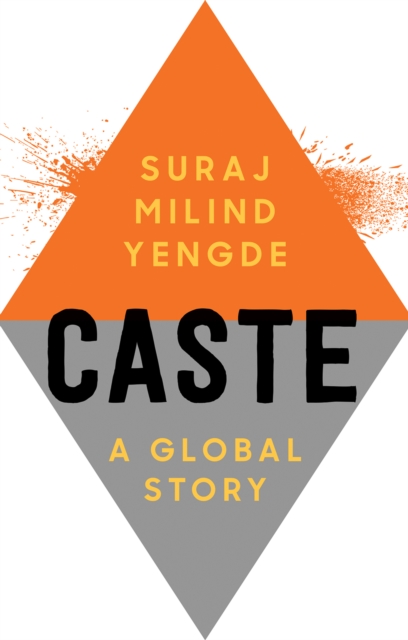
Caste
KSh 4,550.00

Revenge of the Tipping Point
KSh 4,500.00

Revenge of the Tipping Point
KSh 3,050.00

Can Feminism Be African
KSh 2,000.00

Can Feminism Be African
KSh 3,950.00

History of Sexuality: 2
KSh 2,350.00