
Cart 0
Bauhaus Weaving Theory
Click to zoom

Share this book

Bauhaus Weaving Theory : From Feminine Craft to Mode of Design

Book Details

Format Paperback / Softback
ISBN-10 0816687242
ISBN-13 9780816687244
Publisher University of Minnesota Press
Imprint University of Minnesota Press
Country of Manufacture US
Country of Publication GB
Publication Date Nov 9th, 2014
Print length 272 Pages
Weight 408 grams
Dimensions 20.50 x 15.20 x 1.70 cms
Ksh 4,700.00
Werezi Extended Catalogue Delivery in 14 days 1 copies in stock

Delivery Location

Delivery fee: Select location

Delivery in 14 days

Secure
Quality
Fast
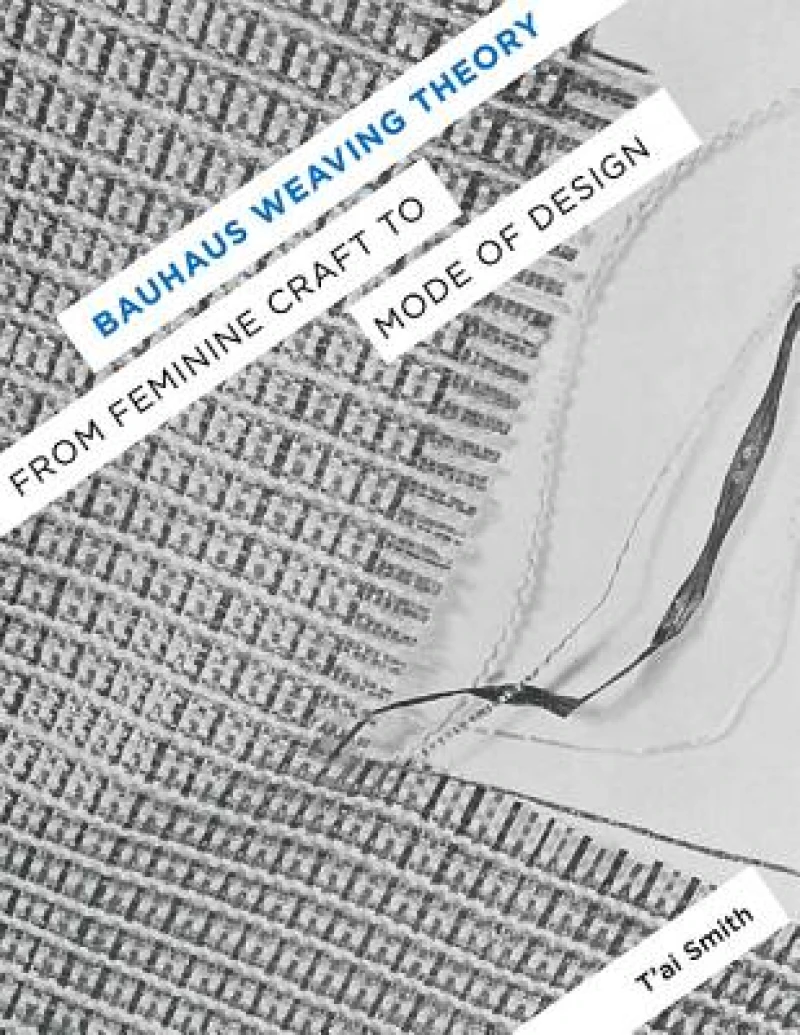
The Bauhaus school in Germany has long been understood through the writings of its founding director, Walter Gropius, and well-known artists who taught there such as Wassily Kandinsky and László Moholy-Nagy. Far less recognized are texts by women in the school’s weaving workshop. In Bauhaus Weaving Theory, T’ai Smith uncovers new significance in the work the Bauhaus weavers did as writers. From colorful, expressionist tapestries to the invention of soundproofing and light-reflective fabric, the workshop’s innovative creations influenced a modernist theory of weaving. In the first careful examination of the writings of Bauhaus weavers, including Anni Albers, Gunta Stözl, and Otti Berger, Smith details how these women challenged assumptions about the feminine nature of their craft. As they harnessed the vocabulary of other disciplines like painting, architecture, and photography, Smith argues, the weavers resisted modernist thinking about distinct media. In parsing texts about tapestries and functional textiles, the vital role these women played in debates about medium in the twentieth century and a nuanced history of the Bauhaus comes to light. Bauhaus Weaving Theory deftly reframes the Bauhaus weaving workshop as central to theoretical inquiry at the school. Putting questions of how value and legitimacy are established in the art world into dialogue with the limits of modernism, Smith confronts the belief that the crafts are manual and technical but never intellectual arts.

The Bauhaus school in Germany has long been understood through the writings of its founding director, Walter Gropius, and well-known artists who taught there such as Wassily Kandinsky and LÁszlÓ Moholy-Nagy. Far less recognized are texts by women in the school’s weaving workshop. In Bauhaus Weaving Theory, T’ai Smith uncovers new significance in the work the Bauhaus weavers did as writers.

From colorful, expressionist tapestries to the invention of soundproofing and light-reflective fabric, the workshop’s innovative creations influenced a modernist theory of weaving. In the first careful examination of the writings of Bauhaus weavers, including Anni Albers, Gunta StÖzl, and Otti Berger, Smith details how these women challenged assumptions about the feminine nature of their craft. As they harnessed the vocabulary of other disciplines like painting, architecture, and photography, Smith argues, the weavers resisted modernist thinking about distinct media. In parsing texts about tapestries and functional textiles, the vital role these women played in debates about medium in the twentieth century and a nuanced history of the Bauhaus comes to light.

Bauhaus Weaving Theory deftly reframes the Bauhaus weaving workshop as central to theoretical inquiry at the school. Putting questions of how value and legitimacy are established in the art world into dialogue with the limits of modernism, Smith confronts the belief that the crafts are manual and technical but never intellectual arts.

The Bauhaus school in Germany has long been understood through the writings of its founding director, Walter Gropius, and well-known artists who taught there such as Wassily Kandinsky and László Moholy-Nagy. Far less recognized are texts by women in the school’s weaving workshop. In Bauhaus Weaving Theory, T’ai Smith uncovers new significance in the work the Bauhaus weavers did as writers.

From colorful, expressionist tapestries to the invention of soundproofing and light-reflective fabric, the workshop’s innovative creations influenced a modernist theory of weaving. In the first careful examination of the writings of Bauhaus weavers, including Anni Albers, Gunta Stözl, and Otti Berger, Smith details how these women challenged assumptions about the feminine nature of their craft. As they harnessed the vocabulary of other disciplines like painting, architecture, and photography, Smith argues, the weavers resisted modernist thinking about distinct media. In parsing texts about tapestries and functional textiles, the vital role these women played in debates about medium in the twentieth century and a nuanced history of the Bauhaus comes to light.

Bauhaus Weaving Theory deftly reframes the Bauhaus weaving workshop as central to theoretical inquiry at the school. Putting questions of how value and legitimacy are established in the art world into dialogue with the limits of modernism, Smith confronts the belief that the crafts are manual and technical but never intellectual arts.


Get Bauhaus Weaving Theory by at the best price and quality guaranteed only at Werezi Africa's largest book ecommerce store. The book was published by University of Minnesota Press and it has pages.


Mind, Body, & Spirit

Price

Ksh 4,700.00

Shopping Cart

Africa largest book store

Sub Total:
Ebooks

Digital Library
Coming Soon

Our digital collection is currently being curated to ensure the best possible reading experience on Werezi. We'll be launching our Ebooks platform shortly.