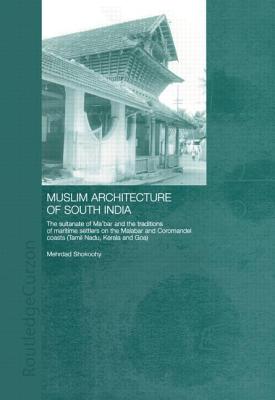
Bayana : The Sources of Mughal Architecture
Book Details
Format
Hardback
ISBN-10
1474460720
ISBN-13
9781474460729
Publisher
Edinburgh University Press
Imprint
Edinburgh University Press
Country of Manufacture
GB
Country of Publication
GB
Publication Date
May 19th, 2020
Print length
752 Pages
Weight
2,864 grams
Dimensions
22.30 x 28.40 x 4.70 cms
KSh 40,500.00
Temporarily out of stock, due soon
0 in stock
Delivery Location
Delivery fee: Select location
Secure
Quality
Fast
Offers a broad reinvestigation of North Indian Muslim architecture through a case study of a desert fortress: Bayana in Rajasthan.
A lavishly illustrated and meticulously detailed record of the historic Bayana region
The architecture and monuments of Bayana in Rajasthan challenge the established view of the development of Muslim architecture and urban form in India. At the end of the 12th century, early conquerors took the mighty Hindu fort, building the first Muslim city below on virgin ground. They later reconfigured the fort and constructed another town within it. These two towns were the centre of an autonomous region during the 15th and 16th centuries.
Going beyond a simple study of the historic, architectural and archaeological remains, this book takes on the wider issues of how far the artistic traditions of Bayana, which developed independently from those of Delhi, later influenced north Indian architecture. It shows how these traditions were the forerunners of the Mughal architectural style, which drew many of its features from innovations developed first in Bayana.
The architecture and monuments of Bayana in Rajasthan challenge the established view of the development of Muslim architecture and urban form in India. At the end of the 12th century, early conquerors took the mighty Hindu fort, building the first Muslim city below on virgin ground. They later reconfigured the fort and constructed another town within it. These two towns were the centre of an autonomous region during the 15th and 16th centuries.
Going beyond a simple study of the historic, architectural and archaeological remains, this book takes on the wider issues of how far the artistic traditions of Bayana, which developed independently from those of Delhi, later influenced north Indian architecture. It shows how these traditions were the forerunners of the Mughal architectural style, which drew many of its features from innovations developed first in Bayana.
Get Bayana by Mehrdad Shokoohy, Natalie H. Shokoohy at the best price and quality guaranteed only at Werezi Africa's largest book ecommerce store. The book was published by Edinburgh University Press and it has 752 pages.
Customers Who Bought This Also Bought
Art of the Middle Ages
KSh 2,550.00

Parish Churches of Greater London
KSh 6,250.00

Anchors of Faith
KSh 5,550.00

Cathedral and Church Fonts
KSh 2,900.00

The Jew, the Cathedral and the Medieval City
KSh 7,550.00

Building Jerusalem
KSh 5,400.00
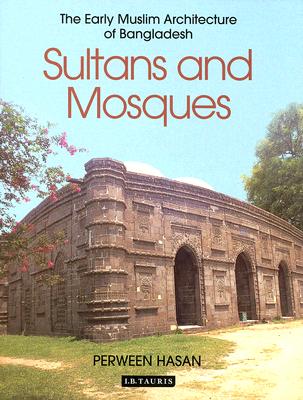
Sultans and Mosques
KSh 26,050.00

Tradition As Mediation
KSh 30,950.00

Historic Building Mythbusting
KSh 3,600.00

Archaeology of Churches
KSh 5,400.00

Literary Landscap
KSh 3,950.00

London''s Crypts and Catacombs
KSh 2,900.00