
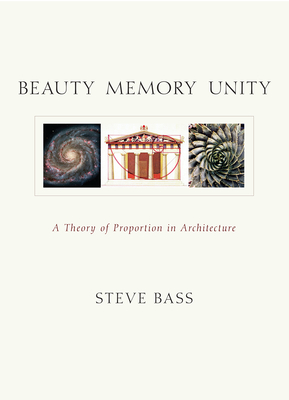
Beauty, Memory, Unity : A Theory of Proportion in Architecture
by
Steve Bass
Book Details
Format
Paperback / softback
ISBN-10
1584209674
ISBN-13
9781584209676
Publisher
SteinerBooks, Inc
Imprint
Lindisfarne Books
Country of Manufacture
US
Country of Publication
GB
Publication Date
Aug 8th, 2019
Print length
370 Pages
Weight
1,404 grams
Dimensions
23.10 x 30.60 x 1.70 cms
KSh 5,800.00
Temporarily out of stock, due soon
0 in stock
Delivery Location
Delivery fee: Select location
Secure
Quality
Fast
Examining the sense of unity and harmony in architecture, and calling for a return to the use of proportion, this book ranges impressively from ancient Egypt, Greece and Rome to the Middle Ages, the Renaissance and the Enlightment.
Ancient architects and artists had a way of striking resonant chords in the viewers of their work. This book points to a possible way of returning a sense of unity to the visual arts through a combination of theoretical ideas and practical methods, of narrative description and visual exercises. Proportion, the use of number and geometry as design tools, is seen in the context of the search for the beautiful. From the theoretic, symbolic mathematics of the Pythagoreans, Platonists, and Neo-Platonists, the book proposes an aesthetic theory, a way of approaching beauty, rooted in the idea of psyche and expressed through the ancient sciences of arithmetic, geometry, music, and astronomy. Topics treated include: an explanation of the concept of symbolic or qualitative number; an introduction to Pythagorean and Platonic numerical philosophy; the nature of beauty and its relation to number; the derivation of the ancient musical octave; the Golden Section, its mathematics, geometry, and relation to philosophy, particularly its role as a geometrical logos; and the connection of these ideas to the numerical-geometrical canons of classical architecture. These concepts are illustrated step by step as applied to the elements and archetypal compositions of classical architecture, such as the order and portico, using arithmetic, geometric, and harmonic ratio methods. The proportional idea is illustrated with reconstructions of exemplary buildings based on the methods described, following through the historical periods of Egypt, Greece, Rome, the Middle ages, the Italian Renaissance, and the Enlightenment. Though the book is focused on architecture, the methods presented may be used by artists and designers in any visual field. The book suggests several pathways on which contemporary designers might move toward creating a sane and beautiful world through a merger of art and science.
Get Beauty, Memory, Unity by Steve Bass at the best price and quality guaranteed only at Werezi Africa's largest book ecommerce store. The book was published by SteinerBooks, Inc and it has 370 pages.
Customers Who Bought This Also Bought
Architecture – Form, Space, & Order
KSh 8,700.00
In Fine Detail: Perspective
KSh 3,700.00
Islamic Art and Architecture
KSh 3,600.00

Classical Architecture
KSh 8,700.00
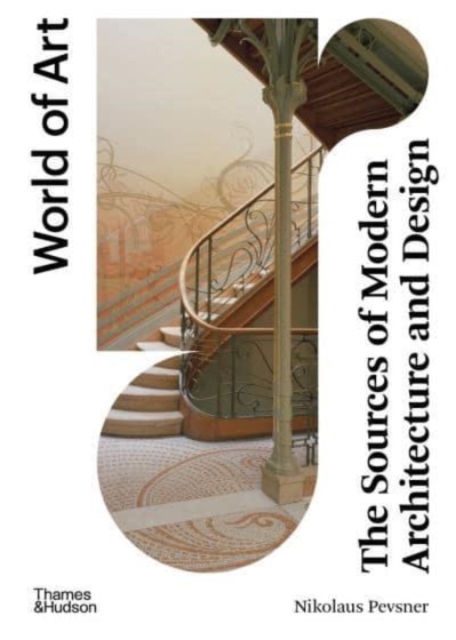
The Sources of Modern Architecture and Design
KSh 3,400.00
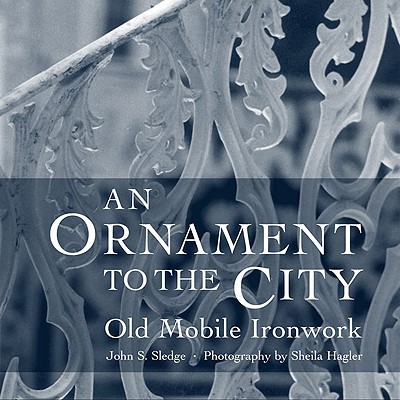
An Ornament to the City
KSh 10,450.00

Frank Lloyd Wright Designs
KSh 18,550.00
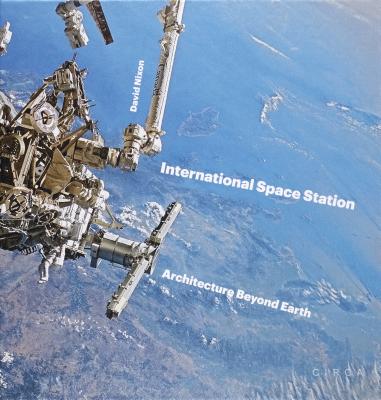
International Space Station
KSh 11,700.00

Colorful Cities
KSh 2,050.00
The Culture Factory
KSh 3,600.00
American Renaissance
KSh 18,700.00

Zürich Primer
KSh 8,900.00
