

Being and Freedom
Book Details
Format
Paperback / softback
ISBN-10
0198913699
ISBN-13
9780198913696
Publisher
Oxford University Press
Imprint
Oxford University Press
Country of Manufacture
GB
Country of Publication
GB
Publication Date
Feb 1st, 2024
Print length
560 Pages
Weight
992 grams
Dimensions
17.10 x 24.70 x 3.40 cms
KSh 7,300.00
Werezi Extended Catalogue
Delivery in 12 days
1 copies in stock
Delivery Location
Delivery fee: Select location
Delivery in 12 days
Secure
Quality
Fast
Being and Freedom is a panoramic account of ethics in Europe from the French Revolution to the end of the nineteenth century. John Skorupski explores the interaction of philosophical ideas with social influences across Europe during this period, including Kantian ethics, Hegel's holism, and the British utilitarian tradition.
Being and Freedom is a panoramic account of ethics in Europe from the French Revolution to the end of the nineteenth century. In this period the influence of ethics ran far beyond philosophy, eventually dominating politics and religion in the West. Developments came from France, Germany, and Britain: this is the first book to treat them together as a Europe-wide phenomenon, paying attention to the context of events and ideas from which they emerged. Skorupski begins by examining the philosophical conflict at the heart of the French revolution, between the individualism of the Enlightenment and two very different forms of holistic ethics: the old regime''s ethic of service and the radical-democracy of the Rousseauian left. Responses analysing freedom and modern social relations came from a series of French liberal thinkers. In Germany the reaction was to two revolutions seen as inaugurating modernity: the political revolution in France and the philosophical revolution of Kant. Here, the fate of religion was critical, and with it the metaphysics of being and freedom. Skorupski traces this story from Kant to Hegel''s idealist version of ethical holism. In Britain, Enlightenment naturalism remained the prevailing framework. It took different forms: ''common sense'' and the theory of the sentiments in Scotland, utilitarianism in England. From all these elements came a synthesis of European themes by John Stuart Mill, comparable in range but opposed to that of Hegel. The final chapter is an assessment of this period''s ethical ideas. They remain the core of late modern ethics and the contested ground on which ethical disagreements take place today.
Get Being and Freedom by Prof John Skorupski at the best price and quality guaranteed only at Werezi Africa's largest book ecommerce store. The book was published by Oxford University Press and it has 560 pages.
Customers Who Bought This Also Bought
Decolonizing Language and Other Revolutionary Ideas
KSh 2,350.00

How to Read a Book
KSh 2,000.00
Decolonizing Language and Other Revolutionary Ideas
KSh 3,600.00

Creative Act
KSh 3,250.00
Groundwork for the Metaphysics of Morals
KSh 2,000.00

Things in Nature Merely
KSh 2,000.00
Meditations – The Philosophy Classic
KSh 2,150.00

Great Ideas Social Contract
KSh 1,450.00
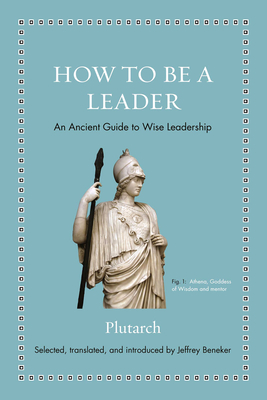
How to Be a Leader – An Ancient Guide to Wise Leadership
KSh 2,800.00
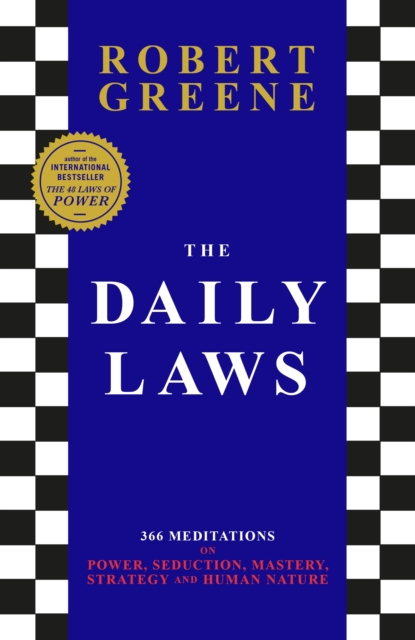
The Daily Laws
KSh 2,350.00

Three Critiques, 3-volume Set
KSh 14,000.00

Philosophical Dictionary
KSh 2,700.00
