

Being White, Being Good : White Complicity, White Moral Responsibility, and Social Justice Pedagogy
Book Details
Format
Hardback
ISBN-10
073914491X
ISBN-13
9780739144916
Publisher
Bloomsbury Publishing Plc
Imprint
Lexington Books
Country of Manufacture
GB
Country of Publication
GB
Publication Date
Mar 18th, 2010
Print length
230 Pages
Weight
510 grams
Dimensions
24.00 x 16.20 x 2.10 cms
KSh 19,350.00
Currently unavailable
0 in stock
Delivery Location
Delivery fee: Select location
Secure
Quality
Fast
Being White, Being Good focuses on white complicity and white complicity pedagogy. It examines the shifts in our conceptualization of the subject, language and moral responsibility that are required for understanding white complicity and draws out implications for social justice pedagogy.
Contemporary scholars who study race and racism have emphasized that white complicity plays a role in perpetuating systemic racial injustice. Being White, Being Good seeks to explain what scholars mean by white complicity, to explore the ethical and epistemological assumptions that white complicity entails, and to offer recommendations for how white complicity can be taught. The book highlights how well-intentioned white people who might even consider themselves as paragons of antiracism might be unwittingly sustaining an unjust system that they say they want to dismantle. What could it mean for white people "to be good" when they can reproduce and maintain racist system even when, and especially when, they believe themselves to be good? In order to answer this question, Barbara Applebaum advocates a shift in our understanding of the subject, of language, and of moral responsibility. Based on these shifts a new notion of moral responsibility is articulated that is not focused on guilt and that can help white students understand and acknowledge their white complicity. Being White, Being Good introduces an approach to social justice pedagogy called "white complicity pedagogy." The practical and pedagogical implications of this approach are fleshed out by emphasizing the role of uncertainty, vulnerability, and vigilance. White students who acknowledge their complicity have an increased potential to develop alliance identities and to engage in genuine cross-racial dialogue. White complicity pedagogy promises to facilitate the type of listening on the part of white students so that they come open and willing to learn, and "not just to say no." Applebaum also conjectures that systemically marginalized students would be more likely and willing to invest energy and time, and be more willing to engage with the systemically privileged, when the latter acknowledge rather than deny their complicity. It is a central claim of the book that acknowledging complicity encourages a willingness to listen to, rat
Get Being White, Being Good by Barbara Applebaum at the best price and quality guaranteed only at Werezi Africa's largest book ecommerce store. The book was published by Bloomsbury Publishing Plc and it has 230 pages.
Customers Who Bought This Also Bought
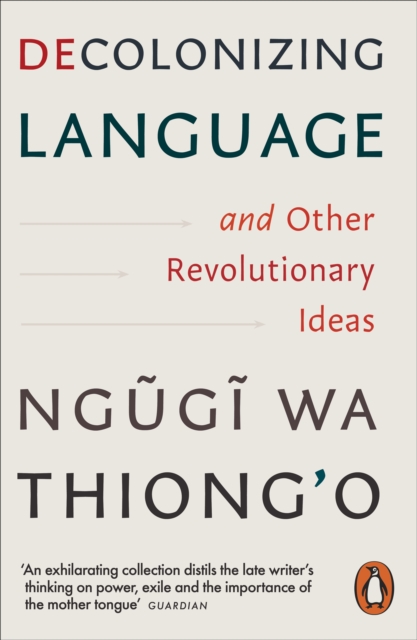
Decolonizing Language and Other Revolutionary Ideas
KSh 2,350.00
Decolonizing Language and Other Revolutionary Ideas
KSh 3,600.00
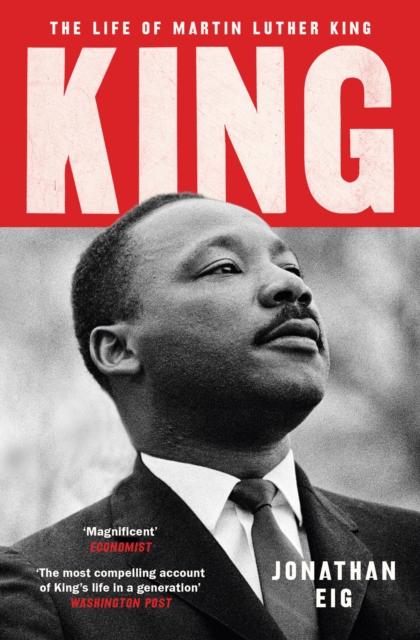
King
KSh 2,700.00

Caste
KSh 2,700.00

In the Wake
KSh 3,600.00

And So I Roar
KSh 2,000.00

Invisible Women
KSh 2,350.00

Africa''s Tarnished Name
KSh 700.00
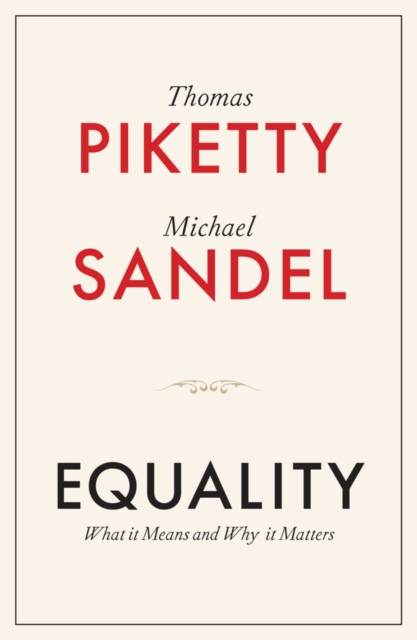
Equality
KSh 2,150.00

Pedagogy of the Oppressed
KSh 2,000.00

Citizen
KSh 2,350.00

Winners Take All
KSh 2,350.00