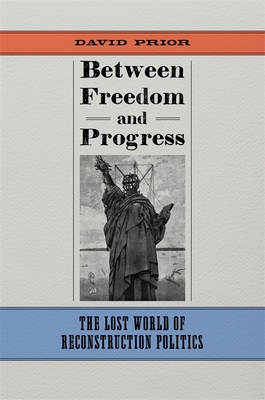
Between Freedom and Progress : The Lost World of Reconstruction Politics
by
David Prior
Book Details
Format
Hardback
ISBN-10
0807169684
ISBN-13
9780807169681
Publisher
Louisiana State University Press
Imprint
Louisiana State University Press
Country of Manufacture
US
Country of Publication
GB
Publication Date
Nov 4th, 2019
Print length
272 Pages
Weight
565 grams
Dimensions
22.90 x 15.20 x 2.50 cms
KSh 6,800.00
Temporarily out of stock, due soon
0 in stock
Delivery Location
Delivery fee: Select location
Secure
Quality
Fast
Recovers and analyses the global imaginings of Reconstruction's partisans, those who struggled over and with Reconstruction, as they vied with one another to define the nature of their country after the Civil War.
Between Freedom and Progress recovers and analyses the global imaginings of Reconstruction's partisans, those who struggled over and with Reconstruction, as they vied with one another to define the nature of their country after the Civil War. The remarkable technological and commercial transformations of the mid-nineteenth century, in particular, steam engines, telegraphs, and an expanded commercial printing capacity, created a constant stream of news, description, and storytelling from across and beyond the nation. Reconstruction's partisans contended with each other to make sense of this information, motivated by intense political antagonism combined with a shared but contested set of ideas about freedom and progress. As writers, lecturers, editors, travelers, moral reformers, racists, abolitionists, politicians, suffragists, soldiers, and diplomats, Reconstruction's partisans made competing claims about their place in the world. Understanding how, why, and when they did so helps ground our understanding of Reconstruction, itself a mysterious, transatlantic term, in its own intellectual context.
Three factors proved pivotal to the making of Reconstruction's world. First, from 1865 to the early 1870s, the interconnected issues of how to remake the Union and how to remake the South exerted a powerful hold on federal politics, defining the partisan landscape and inspiring rival arguments about what was possible and what was good. The daunting nature of these issues created a sense of crisis across the political spectrum, with political discourse ranging in tone from combative to euphoric to apocalyptic. Second, though domestic in nature, these issues were refracted through two broadly held beliefs: that the causes of freedom and progress defined history and that distinctive peoples with their own characters composed the world's population. These beliefs produced a disposition to think of developments from across and beyond the United States as essentially relatable to each other, encouraging an intellectual style that favoured wide-ranging comparisons.
Third, far from being confined to the elite, this mode of thinking and arguing about the world lived and breathed in public texts that were produced and consumed on a weekly and daily basis. This commercialised and politicised world of mass publishing was highly unequal in structure and content, but it was also impressively vibrant and popular. Together, these three factors made the world of Reconstruction a global landscape of information, argumentation, and imagination that derived much of its vigor from domestic political battles.
Three factors proved pivotal to the making of Reconstruction's world. First, from 1865 to the early 1870s, the interconnected issues of how to remake the Union and how to remake the South exerted a powerful hold on federal politics, defining the partisan landscape and inspiring rival arguments about what was possible and what was good. The daunting nature of these issues created a sense of crisis across the political spectrum, with political discourse ranging in tone from combative to euphoric to apocalyptic. Second, though domestic in nature, these issues were refracted through two broadly held beliefs: that the causes of freedom and progress defined history and that distinctive peoples with their own characters composed the world's population. These beliefs produced a disposition to think of developments from across and beyond the United States as essentially relatable to each other, encouraging an intellectual style that favoured wide-ranging comparisons.
Third, far from being confined to the elite, this mode of thinking and arguing about the world lived and breathed in public texts that were produced and consumed on a weekly and daily basis. This commercialised and politicised world of mass publishing was highly unequal in structure and content, but it was also impressively vibrant and popular. Together, these three factors made the world of Reconstruction a global landscape of information, argumentation, and imagination that derived much of its vigor from domestic political battles.
Get Between Freedom and Progress by David Prior at the best price and quality guaranteed only at Werezi Africa's largest book ecommerce store. The book was published by Louisiana State University Press and it has 272 pages.
Customers Who Bought This Also Bought
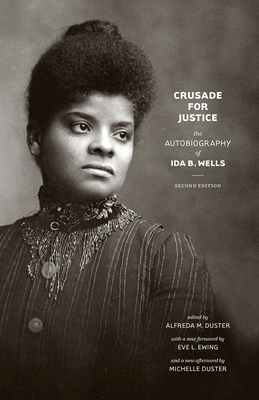
Crusade for Justice – The Autobiography of Ida B. Wells, Second Edition
KSh 4,050.00

Killers of the Flower Moon
KSh 2,000.00
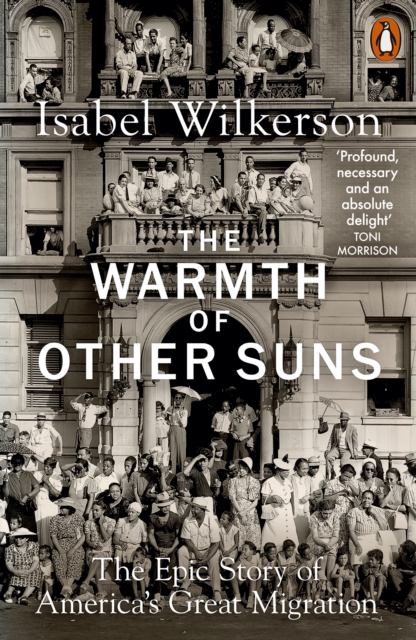
Warmth of Other Suns
KSh 3,050.00
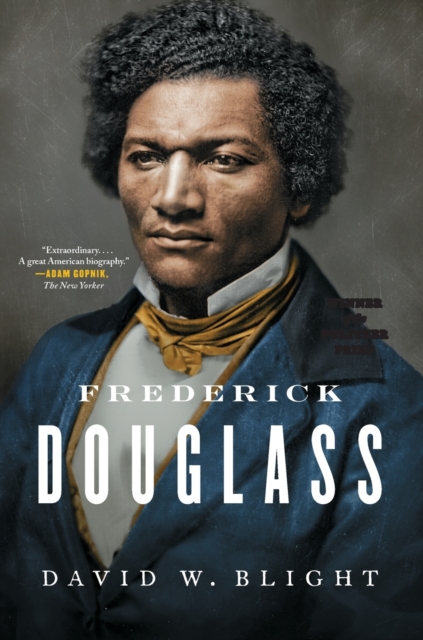
Frederick Douglass
KSh 3,350.00
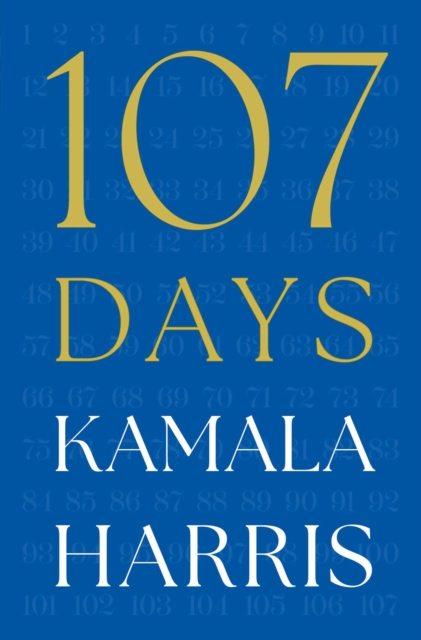
107 Days
KSh 4,500.00

Second Treatise of Government – Norton Library
KSh 1,600.00
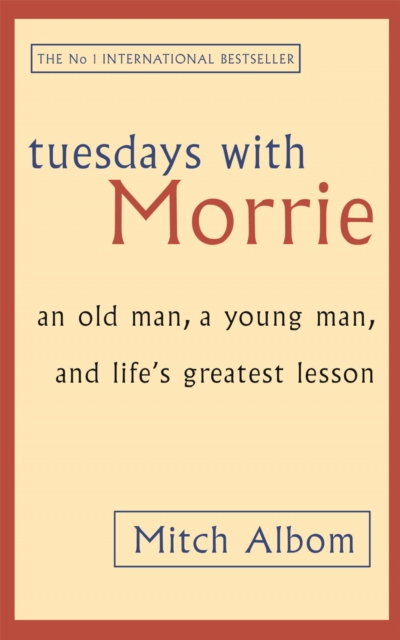
Tuesdays With Morrie
KSh 2,000.00
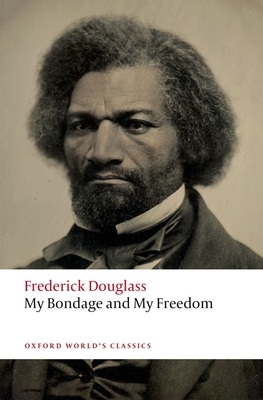
My Bondage and My Freedom
KSh 1,600.00

Hidden Figures
KSh 2,000.00
America, América
KSh 3,650.00
Holding the Line
KSh 2,000.00
Nuclear Folly
KSh 3,050.00