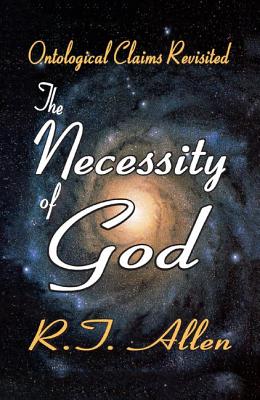
Beyond Liberalism
by
R. T. Allen
Book Details
Format
Hardback
ISBN-10
1560003553
ISBN-13
9781560003557
Publisher
Taylor & Francis Inc
Imprint
Routledge
Country of Manufacture
GB
Country of Publication
GB
Publication Date
Apr 30th, 1998
Print length
276 Pages
Weight
558 grams
Dimensions
15.90 x 23.70 x 1.70 cms
KSh 30,950.00
Currently unavailable
0 in stock
Delivery Location
Delivery fee: Select location
Secure
Quality
Fast
In Beyond Nihilism, Michael Polanyi argued that a merely "negative" liberty of doing as one pleases so long as one does not impinge upon the equal liberty of others - must and has led to destructive nihilism and a fierce reaction to collectivism
In Beyond Nihilism, Michael Polanyi argued that a merely "negative" liberty of doing as one pleases so long as one does not impinge upon the equal liberty of others - must and has led to destructive nihilism and a fierce reaction to collectivism
Get Beyond Liberalism by R. T. Allen at the best price and quality guaranteed only at Werezi Africa's largest book ecommerce store. The book was published by Taylor & Francis Inc and it has 276 pages.
Customers Who Bought This Also Bought

Decolonizing Language and Other Revolutionary Ideas
KSh 2,350.00

How to Read a Book
KSh 2,000.00
Decolonizing Language and Other Revolutionary Ideas
KSh 3,600.00

Creative Act
KSh 3,250.00

Groundwork for the Metaphysics of Morals
KSh 2,000.00

Things in Nature Merely
KSh 2,000.00

Meditations – The Philosophy Classic
KSh 2,150.00

Great Ideas Social Contract
KSh 1,450.00

How to Be a Leader – An Ancient Guide to Wise Leadership
KSh 2,800.00

The Daily Laws
KSh 2,350.00

Three Critiques, 3-volume Set
KSh 14,000.00

Philosophical Dictionary
KSh 2,700.00