
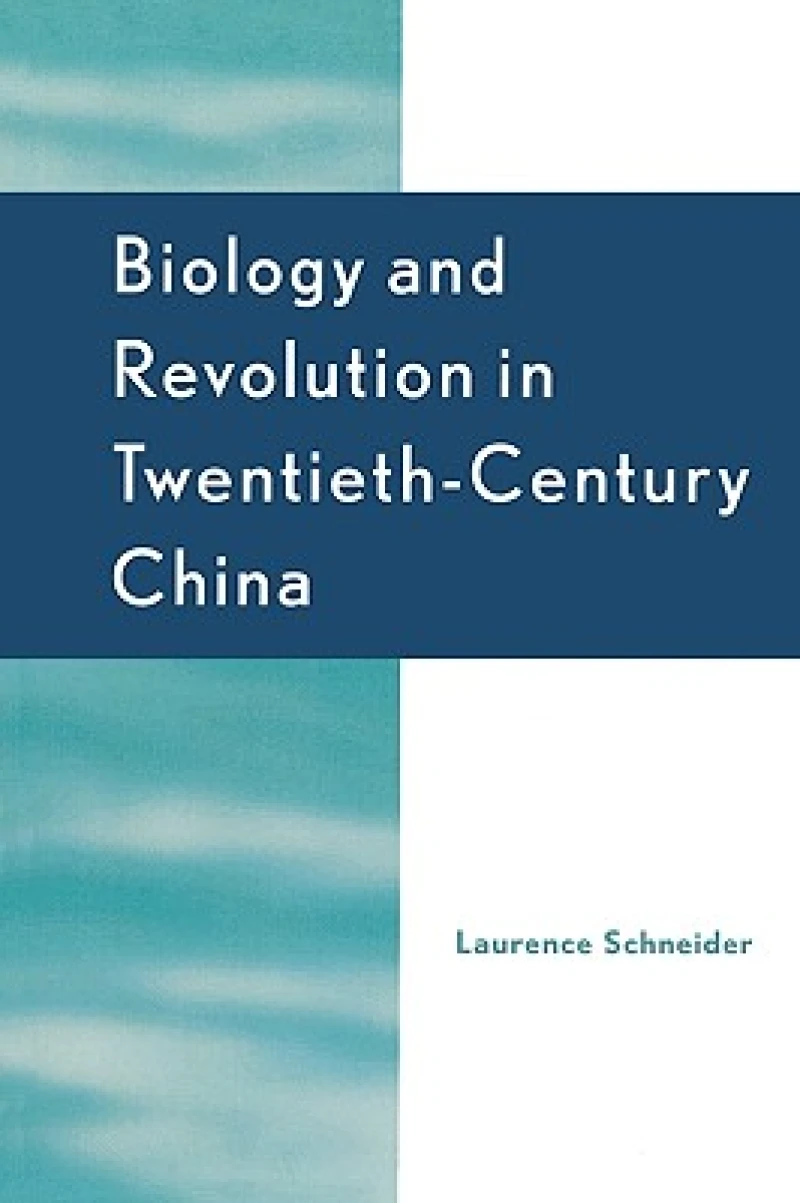
Biology and Revolution in Twentieth-Century China
Book Details
Format
Paperback / Softback
Book Series
Asia/Pacific/Perspectives
ISBN-10
074255306X
ISBN-13
9780742553064
Publisher
Bloomsbury Publishing Plc
Imprint
Rowman & Littlefield Publishers
Country of Manufacture
GB
Country of Publication
GB
Publication Date
Oct 1st, 2005
Print length
320 Pages
Weight
490 grams
Dimensions
22.80 x 15.30 x 2.20 cms
Ksh 9,000.00
Manufactured on Demand
0 in stock
Delivery Location
Delivery fee: Select location
Secure
Quality
Fast
In this first comprehensive analysis of biological science in modern China, Laurence Schneider traces its troubled development from the 1920s, across the 1949 boundary, and into contemporary post-socialist China. Schneider uses his detailed portrayals of influential scientists and key education and research institutions to explore both internal and external forces at work in scientific development. The author examines the largely U.S. sources of its technical development and the subsequent quality of its research and educational accomplishments. At the same time, he firmly grounds these in the context of China's national, economic, and social revolutions. These upheavals have been the source of periodic obsessions to use science to regulate nature, to manage foreign influence on science, and to control scientists. The author argues that populist 'mass science' was Mao's solution to problems of control, especially in the 1950s, when Soviet Lysenkoism was granted the power in China to monopolize biology and ban genetics. This book provides the only detailed study of Lysenkoism in China, linking its ascendance to the Great Leap Forward and the Cultural Revolution. It concludes with an analysis of the phoenix-like rise of genetics in recent decades and the assignment of biotechnology to a leading role in plans for economic development. Based on a broad range of archival materials and interviews with major actors in the story, this book will be a rich resource for all those interested in contemporary China.
In this first comprehensive analysis of biological science in modern China, Laurence Schneider traces its troubled development from the 1920s, across the 1949 boundary, and into contemporary post-socialist China. Schneider uses his detailed portrayals of influential scientists and key education and research institutions to explore both internal and external forces at work in scientific development. The author examines the largely U.S. sources of its technical development and the subsequent quality of its research and educational accomplishments. At the same time, he firmly grounds these in the context of China''s national, economic, and social revolutions. These upheavals have been the source of periodic obsessions to use science to regulate nature, to manage foreign influence on science, and to control scientists. The author argues that populist ''mass science'' was Mao''s solution to problems of control, especially in the 1950s, when Soviet Lysenkoism was granted the power in China to monopolize biology and ban genetics. This book provides the only detailed study of Lysenkoism in China, linking its ascendance to the Great Leap Forward and the Cultural Revolution. It concludes with an analysis of the phoenix-like rise of genetics in recent decades and the assignment of biotechnology to a leading role in plans for economic development. Based on a broad range of archival materials and interviews with major actors in the story, this book will be a rich resource for all those interested in contemporary China.
Get Biology and Revolution in Twentieth-Century China by at the best price and quality guaranteed only at Werezi Africa's largest book ecommerce store. The book was published by Bloomsbury Publishing Plc and it has pages.

