

Biotechnology and Communication : The Meta-Technologies of Information
Book Details
Format
Paperback / softback
Book Series
Routledge Communication Series
ISBN-10
0415646081
ISBN-13
9780415646086
Publisher
Taylor & Francis Ltd
Imprint
Routledge
Country of Manufacture
GB
Country of Publication
GB
Publication Date
May 1st, 2013
Print length
314 Pages
Weight
430 grams
Dimensions
22.90 x 15.20 x 1.70 cms
Product Classification:
Information technology: general issues
KSh 6,250.00
Currently unavailable
0 in stock
Delivery Location
Delivery fee: Select location
Secure
Quality
Fast
This volume examines the convergence of biotechnology and communication systems and explores how this convergence directly influences our understanding of the nature of communication. Editor Sandra Braman brings together scholars to examine this convergence in three areas: genetic information and "facticity"; social issues and implications; and the economic and legal issues raised by the production and ownership of information. The work highlights the sophisticated processes taking place as biotechnology and information technology systems continue to evolve. The chapters in this book approach the complex history of this topic and the issues it raises from a number of directions. It begins by examining the shared features and spaces of biotechnology and digital information technologies as meta-technologies--qualitatively distinct from both the tools first used in the premodern era and the industrial technologies that characterized modernity. Next, the book explores what is and is not useful in treating the types of information processed by the two meta-technologies through a shared conceptual lens and looks at issues raised by the ownership of genetic and digital information. The final chapters are concerned with relationships between information and power. Defining a future research agenda for communication scholarship, this work is beneficial to scholars and students in science communication, cultural studies, information technologies, and sociology.
This volume examines the convergence of biotechnology and communication systems and explores how this convergence directly influences our understanding of the nature of communication. Editor Sandra Braman brings together scholars to examine this convergence in three areas: genetic information and "facticity"; social issues and implications; and the economic and legal issues raised by the production and ownership of information. The work highlights the sophisticated processes taking place as biotechnology and information technology systems continue to evolve.
The chapters in this book approach the complex history of this topic and the issues it raises from a number of directions. It begins by examining the shared features and spaces of biotechnology and digital information technologies as meta-technologies--qualitatively distinct from both the tools first used in the premodern era and the industrial technologies that characterized modernity. Next, the book explores what is and is not useful in treating the types of information processed by the two meta-technologies through a shared conceptual lens and looks at issues raised by the ownership of genetic and digital information. The final chapters are concerned with relationships between information and power.
Defining a future research agenda for communication scholarship, this work is beneficial to scholars and students in science communication, cultural studies, information technologies, and sociology.
The chapters in this book approach the complex history of this topic and the issues it raises from a number of directions. It begins by examining the shared features and spaces of biotechnology and digital information technologies as meta-technologies--qualitatively distinct from both the tools first used in the premodern era and the industrial technologies that characterized modernity. Next, the book explores what is and is not useful in treating the types of information processed by the two meta-technologies through a shared conceptual lens and looks at issues raised by the ownership of genetic and digital information. The final chapters are concerned with relationships between information and power.
Defining a future research agenda for communication scholarship, this work is beneficial to scholars and students in science communication, cultural studies, information technologies, and sociology.
Get Biotechnology and Communication by Sandra Braman at the best price and quality guaranteed only at Werezi Africa's largest book ecommerce store. The book was published by Taylor & Francis Ltd and it has 314 pages.
Customers Who Bought This Also Bought

How To Do Nothing
KSh 2,700.00

Elon Musk
KSh 2,350.00

God AI
KSh 2,350.00
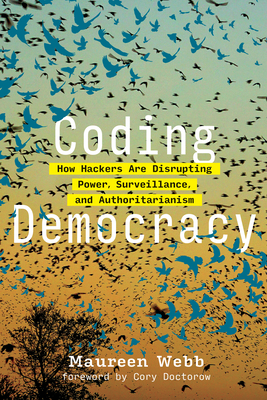
Coding Democracy
KSh 3,050.00
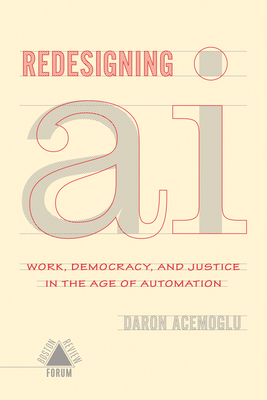
Redesigning AI
KSh 3,250.00

Intelligent Systems
KSh 30,950.00

Machine Learning with Python
KSh 14,750.00

Computer Vision and SLDV for Structural Dynamics, 2026
KSh 19,800.00

Octonion Sparse-Based Image Processing
KSh 26,200.00

AI in Modern Ophthalmology
KSh 18,700.00
![Band 1-3 [Set Grundlagen der Informatik, Vol 1-3]](https://book-images.us-southeast-1.linodeobjects.com/images/9783112246054.jpg)
Band 1-3 [Set Grundlagen der Informatik, Vol 1-3]
KSh 22,950.00

AI in Modern Ophthalmology
KSh 9,900.00
