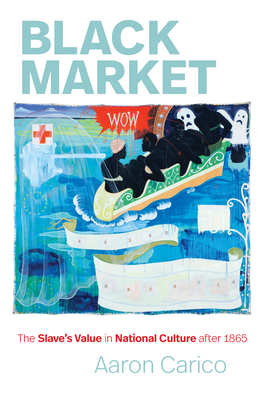
Black Market : The Slave's Value in National Culture After 1865
by
Aaron Carico
Book Details
Format
Paperback / softback
Book Series
Studies in United States Culture
ISBN-10
1469655586
ISBN-13
9781469655581
Publisher
The University of North Carolina Press
Imprint
The University of North Carolina Press
Country of Manufacture
US
Country of Publication
GB
Publication Date
Jun 22nd, 2020
Print length
296 Pages
Weight
450 grams
Dimensions
23.30 x 15.50 x 1.70 cms
KSh 4,850.00
Currently unavailable
0 in stock
Delivery Location
Delivery fee: Select location
Secure
Quality
Fast
Reveals how the slave commodity survived emancipation, arguing that the enslaved person - understood here in legal, economic, social, and embodied contexts - still operated as an indispensable form of value in American national culture.
By 1860, the value of the slave population in the United States exceeded $3 billion--triple that of investments nationwide in factories, railroads, and banks combined, and worth more even than the South's lucrative farmland. The slave was not only a commodity to be traded but also a kind of currency and the basis for a range of credit relations. But the value associated with slavery was not destroyed in the Civil War. In Black Market, Aaron Carico reveals how the slave commodity survived emancipation, arguing that the enslaved person--understood here in legal, economic, social, and embodied contexts--still operated as an indispensable form of value in national culture. Through both archival research and lucid readings of literature, art, and law, from the Fourteenth Amendment to the first western, Carico breaks open the icons of liberalism to expose the shaping influence of slavery's political economy in America after 1865. Ultimately, Carico explains how a radically incomplete--and fundamentally failed--abolition enabled the emergence of a modern nation-state, in which slavery still determined--and now goes on to determine--economic, political, and cultural life.
Get Black Market by Aaron Carico at the best price and quality guaranteed only at Werezi Africa's largest book ecommerce store. The book was published by The University of North Carolina Press and it has 296 pages.
Customers Who Bought This Also Bought
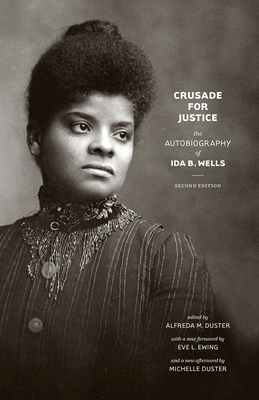
Crusade for Justice – The Autobiography of Ida B. Wells, Second Edition
KSh 4,050.00

Killers of the Flower Moon
KSh 2,000.00
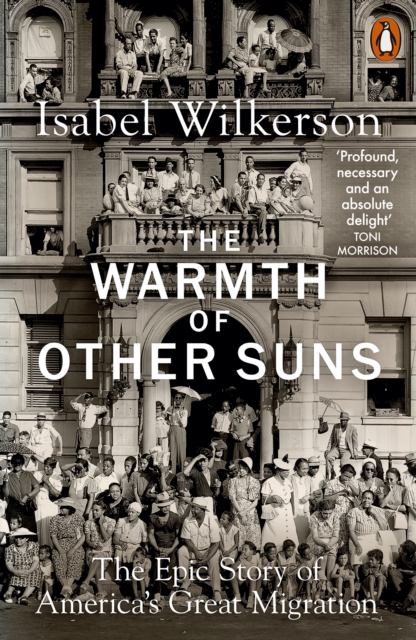
Warmth of Other Suns
KSh 3,050.00
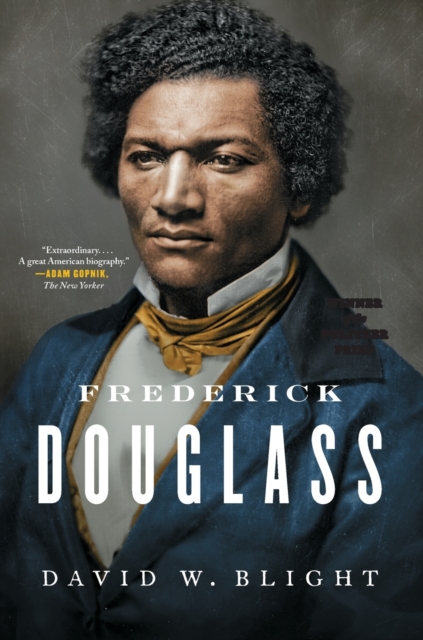
Frederick Douglass
KSh 3,350.00
107 Days
KSh 4,500.00

Second Treatise of Government – Norton Library
KSh 1,600.00

Tuesdays With Morrie
KSh 2,000.00
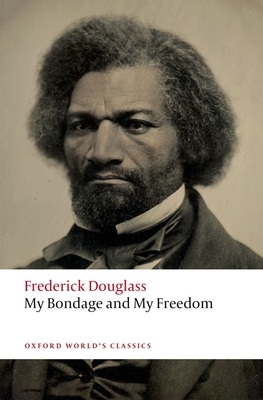
My Bondage and My Freedom
KSh 1,600.00

Hidden Figures
KSh 2,000.00
America, América
KSh 3,650.00

Holding the Line
KSh 2,000.00

Nuclear Folly
KSh 3,050.00