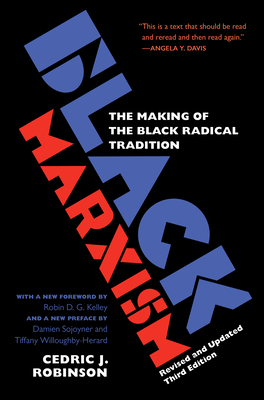
Black Marxism : The Making of the Black Radical Tradition
Revised and Updated Third Edition
Book Details
Format
Hardback
ISBN-10
1469663716
ISBN-13
9781469663715
Edition
Revised and Updated Third Edition
Publisher
The University of North Carolina Press
Imprint
The University of North Carolina Press
Country of Manufacture
US
Country of Publication
GB
Publication Date
Feb 1st, 2021
Print length
496 Pages
Weight
333 grams
Dimensions
23.30 x 15.50 x 3.10 cms
Product Classification:
History of the AmericasSocial discrimination and social justiceEthnic studies / EthnicitySocial discrimination & inequalityBlack & Asian studiesFar-left political ideologies and movementsMarxism & CommunismCivics and citizenshipCivil rights & citizenshipHistory of the Americas
KSh 14,200.00
Currently unavailable
0 in stock
Delivery Location
Delivery fee: Select location
Secure
Quality
Fast
In this ambitious work, first published in 1983, Cedric Robinson demonstrates that efforts to understand Black people's history of resistance solely through the prism of Marxist theory are incomplete. Black radicalism, Robinson argues, must be linked to the traditions of Africa and the unique experiences of Blacks on western continents.
In this ambitious work, first published in 1983, Cedric Robinson demonstrates that efforts to understand Black people's history of resistance solely through the prism of Marxist theory are incomplete and inaccurate. Marxist analyses tend to presuppose European models of history and experience that downplay the significance of Black people and Black communities as agents of change and resistance. Black radicalism, Robinson argues, must be linked to the traditions of Africa and the unique experiences of Blacks on western continents, and any analyses of African American history need to acknowledge this. To illustrate his argument, Robinson traces the emergence of Marxist ideology in Europe, the resistance by Blacks in historically oppressive environments, and the influence of both of these traditions on such important twentieth-century Black radical thinkers as W. E. B. Du Bois, C. L. R. James, and Richard Wright. This revised and updated third edition includes a new preface by Tiffany Willoughby-Herard, and a new foreword by Robin D. G. Kelley. Not for Sale in the UK or Commonwealth
Get Black Marxism by Cedric J. Robinson at the best price and quality guaranteed only at Werezi Africa's largest book ecommerce store. The book was published by The University of North Carolina Press and it has 496 pages.
Customers Who Bought This Also Bought

Crusade for Justice – The Autobiography of Ida B. Wells, Second Edition
KSh 4,050.00

Killers of the Flower Moon
KSh 2,000.00

Warmth of Other Suns
KSh 3,050.00

Frederick Douglass
KSh 3,350.00
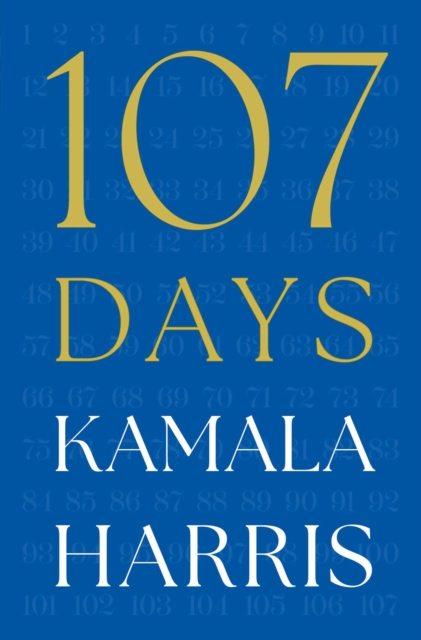
107 Days
KSh 4,500.00

Second Treatise of Government – Norton Library
KSh 1,600.00

Tuesdays With Morrie
KSh 2,000.00
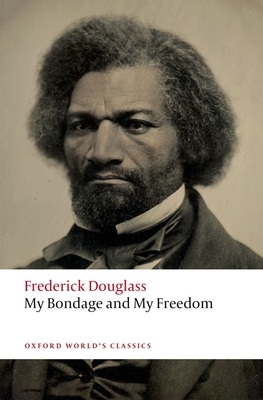
My Bondage and My Freedom
KSh 1,600.00

Hidden Figures
KSh 2,000.00

America, América
KSh 3,650.00

Holding the Line
KSh 2,000.00

Nuclear Folly
KSh 3,050.00