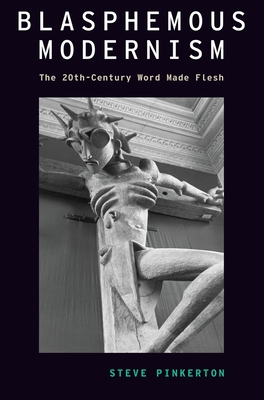
Blasphemous Modernism : The 20th-Century Word Made Flesh
Book Details
Format
Hardback
Book Series
Modernist Literature and Culture
ISBN-10
0190627565
ISBN-13
9780190627560
Publisher
Oxford University Press Inc
Imprint
Oxford University Press Inc
Country of Manufacture
US
Country of Publication
GB
Publication Date
Apr 27th, 2017
Print length
200 Pages
Weight
463 grams
Dimensions
23.40 x 15.60 x 1.30 cms
Product Classification:
Literary studies: from c 1900 -Literary reference works
KSh 16,350.00
Currently unavailable
0 in stock
Delivery Location
Delivery fee: Select location
Secure
Quality
Fast
Blasphemous Modernism argues that blasphemy is a signal mode of modernist literary expression. Reading a diverse range of poets (Mina Loy, Langston Hughes) and novelists (James Joyce, Djuna Barnes, Salman Rushdie), Pinkerton shows how these writers forged the literature of modernism from the idiom of blasphemy.
Scholars have long described modernism as "heretical" or "iconoclastic" in its assaults on secular traditions of form, genre, and decorum. Yet critics have paid surprisingly little attention to the related category of blasphemy--the rhetoric of religious offense--and to the specific ways this rhetoric operates in, and as, literary modernism. United by a shared commitment to "the word made flesh," writers such as James Joyce, Mina Loy, Richard Bruce Nugent, and Djuna Barnes made blasphemy a key component of their modernist practice, profaning the very scriptures and sacraments that fueled their art. In doing so they belied T. S. Eliot''s verdict that the forces of secularization had rendered blasphemy obsolete in an increasingly godless century ("a world in which blasphemy is impossible"); their poems and fictions reveal how forcefully religion endured as a cultural force after the Death of God. Blasphemy respects no division of church and state, and neither do the writers who wield it to profane coercive dogmas--including ecclesiastical and terrestrial ideologies of race, class, nation, empire, gender, and sexuality. The late-century example of Salman Rushdie''s The Satanic Verses affords, finally, a demonstration of how modernism persists in postwar Anglophone literature and of the critical role blasphemy plays in that persistence. The transgressions of these writers spotlight a politics of religion that has seldom engaged the attention of modernist studies. Blasphemous Modernism enriches the scope of modernist scholarship by resonating with broader cultural and ideological concerns.
Get Blasphemous Modernism by Steve Pinkerton at the best price and quality guaranteed only at Werezi Africa's largest book ecommerce store. The book was published by Oxford University Press Inc and it has 200 pages.
Customers Who Bought This Also Bought
Dreams in a Time of War
KSh 3,050.00
Modern Classics Penguin Essays of George Orwell
KSh 2,700.00
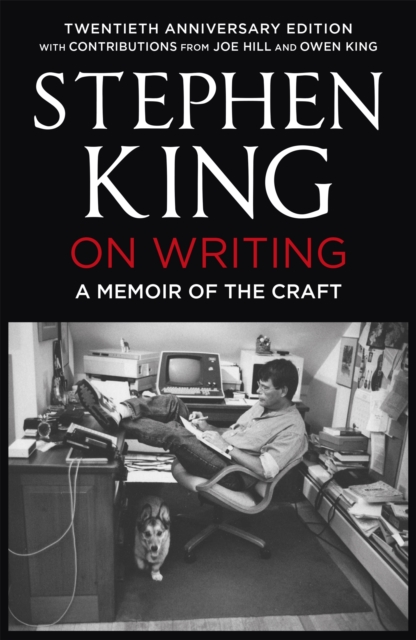
On Writing
KSh 2,000.00

To the Lighthouse
KSh 1,450.00
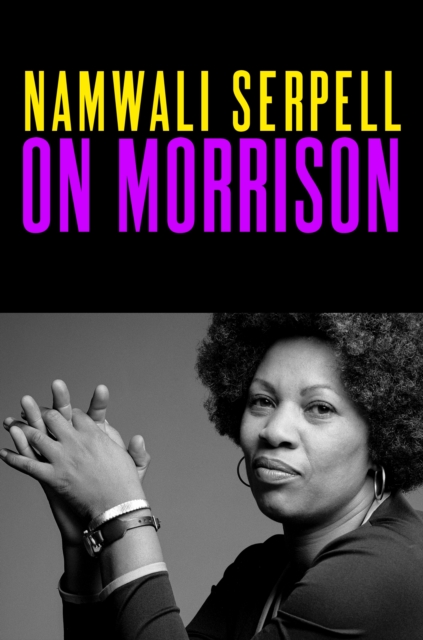
On Morrison
KSh 4,500.00

Africa''s Tarnished Name
KSh 700.00
C. S. Lewis
KSh 1,800.00

Life in Letters
KSh 5,400.00

By Grand Central Station I
KSh 1,800.00
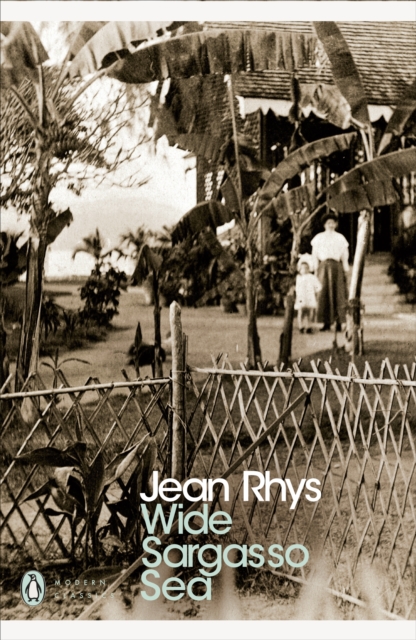
Wide Sargasso Sea
KSh 1,800.00

Mom and Me and Mom
KSh 2,000.00
Jorge Luis Borges
KSh 1,800.00