Bloody Numbers : The Early Atlantic Slave Trade and the Invention of Modern Corporeality
Book Details
Format
Hardback
ISBN-10
0226845141
ISBN-13
9780226845142
Publisher
The University of Chicago Press
Imprint
University of Chicago Press
Country of Manufacture
GB
Country of Publication
GB
Publication Date
Jun 8th, 2026
Print length
288 Pages
Weight
513 grams
Dimensions
22.90 x 15.20 x 2.30 cms
KSh 16,550.00
Currently unavailable
0 in stock
Delivery Location
Delivery fee: Select location
Secure
Quality
Fast
Upends current thinking about how early modern people started to conceptualize human beings in terms of populations. Bloody Numbers is a provocative account of the violent world of the sixteenth- and seventeenth-century South Atlantic slave-trading societies, where traders, financiers, officials, surgeons, notaries, ship captains, and others began thinking about human bodies as aggregate populations understood through numbers: measurements, averages, and calculations of risk and value assessed through the tabulation of heights, weights, tumors, scars, and other characteristics. Pablo F. Gómez explores how figures within the world of slave trading used this model for understanding human bodies to generalize about behavior and disease in ways that foreshadowed the work of modern epidemiologists and public health officials—though they employed their calculations with the aim of protecting their financial interests rather than of caring for enslaved people. The ruthlessness inherent in these practices became ingrained in the modern corporeal mathematics that emerged from the early slave trade and diffused through its vast political, financial, logistical, and intellectual networks. A pathbreaking work, Bloody Numbers reveals the historical actions that rendered populations quantifiable. In doing so, it shows that confronting these origins is essential to understanding the violent political, legal, economic, and scientific practices that ascribe numbers to our own bodies.
Get Bloody Numbers by Pablo F. Gomez at the best price and quality guaranteed only at Werezi Africa's largest book ecommerce store. The book was published by The University of Chicago Press and it has 288 pages.
Customers Who Bought This Also Bought
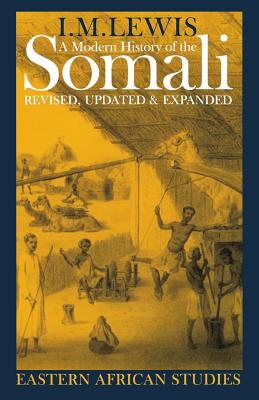
A Modern History of the Somali
KSh 5,300.00

Sapiens
KSh 2,350.00

Rise Fall Great Powers
KSh 3,050.00

Legacy of Violence
KSh 3,150.00

Chip War
KSh 2,000.00
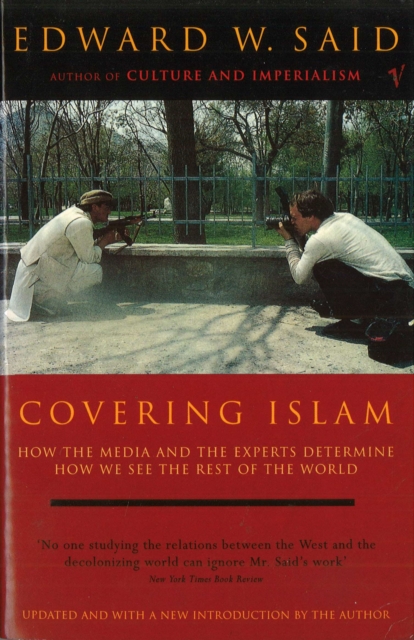
Covering Islam
KSh 2,350.00

They Came Before Columbus
KSh 3,400.00

Hiroshima
KSh 2,000.00

Guns, Germs and Steel
KSh 2,400.00

Silk Roads
KSh 3,050.00

Empire
KSh 2,700.00

Strategy
KSh 4,350.00