
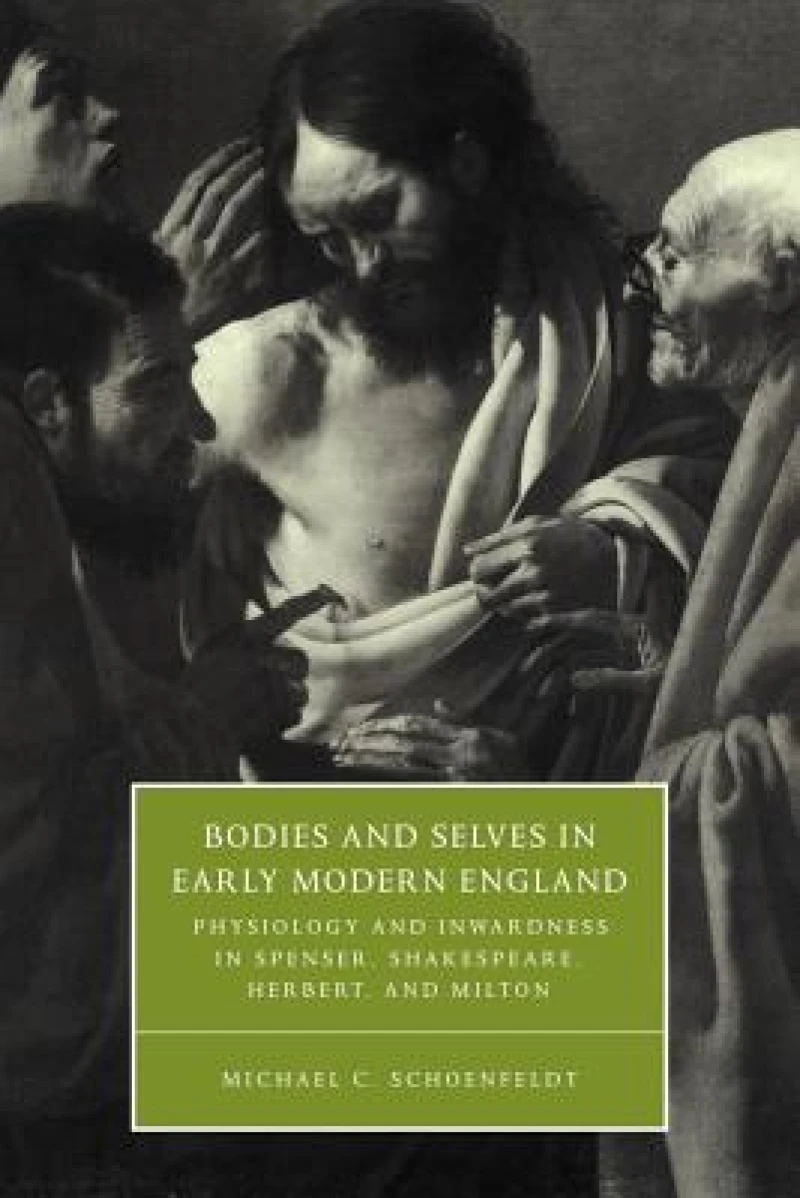
Bodies and Selves in Early Modern England : Physiology and Inwardness in Spenser, Shakespeare, Herbert, and Milton
Book Details
Format
Paperback / Softback
ISBN-10
0521669022
ISBN-13
9780521669023
Publisher
Cambridge University Press
Imprint
Cambridge University Press
Country of Manufacture
GB
Country of Publication
GB
Publication Date
Jan 13th, 2000
Print length
220 Pages
Weight
346 grams
Dimensions
22.80 x 15.60 x 1.50 cms
Ksh 6,850.00
Manufactured on Demand
0 in stock
Delivery Location
Delivery fee: Select location
Secure
Quality
Fast
Michael Schoenfeldt's fascinating study explores the close relationship between selves and bodies, psychological inwardness and corporeal processes, as they are represented in English Renaissance literature. The notion of bodily humors in Galenic medicine provides poets with a compelling vocabulary for describing the ways in which selves inhabit and experience bodies.
Michael Schoenfeldt's fascinating study explores the close relationship between selves and bodies, psychological inwardness and corporeal processes, as they are represented in early modern English literature. After Galen, the predominant medical paradigm of the period envisaged a self governed by humors, literally embodying inner emotion by locating and explaining human passion within a taxonomy of internal organs and fluids. It thus gave a profoundly material emphasis to behavioural phenomena, giving the poets of the period a vital and compelling vocabulary for describing the ways in which selves inhabit and experience bodies. In contrast to much work on the body which has emphasized its exuberant 'leakiness' as a principal of social liberation amid oppressive regimes, Schoenfeldt establishes the emancipatory value that the Renaissance frequently located not in moments of festive release, but in the exercise of regulation, temperance and self-control.
Get Bodies and Selves in Early Modern England by at the best price and quality guaranteed only at Werezi Africa's largest book ecommerce store. The book was published by Cambridge University Press and it has pages.

