
Book Details
Format
Paperback / Softback
Book Series
History of Schools and Schooling
ISBN-10
143310010X
ISBN-13
9781433100109
Edition
New
Publisher
Peter Lang Publishing Inc
Imprint
Peter Lang Publishing Inc
Country of Manufacture
US
Country of Publication
GB
Publication Date
Feb 13th, 2008
Print length
292 Pages
Weight
422 grams
Dimensions
15.50 x 23.00 x 1.60 cms
Product Classification:
The arts: general issuesHistory: theory & methodsPhilosophy & theory of education
Ksh 4,550.00
Manufactured on Demand
0 in stock
Delivery Location
Delivery fee: Select location
Secure
Quality
Fast
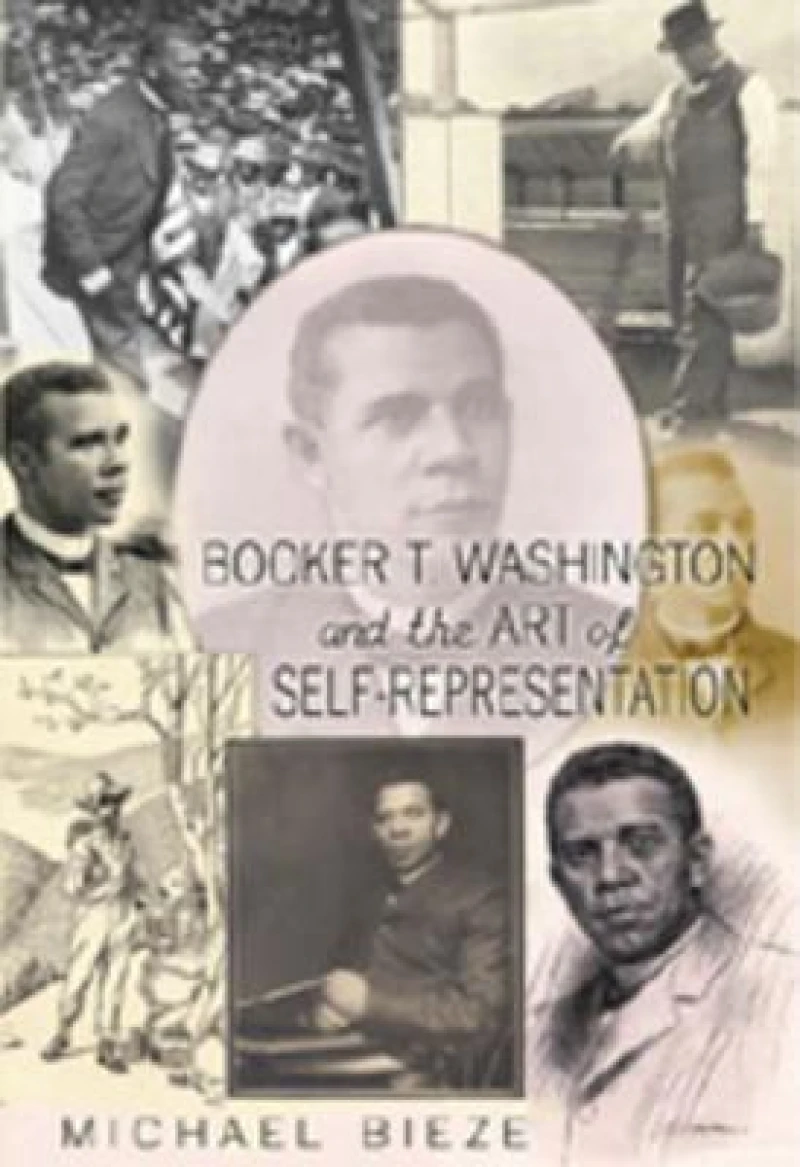
Booker T. Washington embraced photography as the artistic medium to represent himself and Tuskegee Institute because it was economical, technical, utilitarian, and aesthetic: an apt form for a man who preached a gospel of thrift, industry, self-sufficiency, and beauty. Advancements in photography at the end of the nineteenth century allowed Washington to be simultaneously better known and more elusive – an international celebrity with a multitude of identities. Washington produced and directed photographic images by considering region, race, and class. Initially, he crafted an image of Victorian grace as a fund-raising strategy which appealed to elite white America’s belief in gradual reform. As Washington entered the last decade of his life, he gradually shifted his efforts toward speaking directly to black audiences with the support of black photographers. He shed the passive role he presented to the white world and challenged racist popular culture by visually demonstrating social and cultural equality. Washington should be credited with not only launching the careers of several black photographers but also with establishing the early aesthetic of the «New Negro». From 1895-1915, Washington was the central figure in African American culture, supporting black artists telling black stories in the contemporary Victorian aesthetic, and showing how blacks could equal whites artistically and culturally.
Booker T. Washington embraced photography as the artistic medium to represent himself and Tuskegee Institute because it was economical, technical, utilitarian, and aesthetic: an apt form for a man who preached a gospel of thrift, industry, self-sufficiency, and beauty. Advancements in photography at the end of the nineteenth century allowed Washington to be simultaneously better known and more elusive – an international celebrity with a multitude of identities.
Washington produced and directed photographic images by considering region, race, and class. Initially, he crafted an image of Victorian grace as a fund-raising strategy which appealed to elite white America’s belief in gradual reform. As Washington entered the last decade of his life, he gradually shifted his efforts toward speaking directly to black audiences with the support of black photographers. He shed the passive role he presented to the white world and challenged racist popular culture by visually demonstrating social and cultural equality.
Washington should be credited with not only launching the careers of several black photographers but also with establishing the early aesthetic of the «New Negro». From 1895-1915, Washington was the central figure in African American culture, supporting black artists telling black stories in the contemporary Victorian aesthetic, and showing how blacks could equal whites artistically and culturally.
Washington produced and directed photographic images by considering region, race, and class. Initially, he crafted an image of Victorian grace as a fund-raising strategy which appealed to elite white America’s belief in gradual reform. As Washington entered the last decade of his life, he gradually shifted his efforts toward speaking directly to black audiences with the support of black photographers. He shed the passive role he presented to the white world and challenged racist popular culture by visually demonstrating social and cultural equality.
Washington should be credited with not only launching the careers of several black photographers but also with establishing the early aesthetic of the «New Negro». From 1895-1915, Washington was the central figure in African American culture, supporting black artists telling black stories in the contemporary Victorian aesthetic, and showing how blacks could equal whites artistically and culturally.
Get Booker T. Washington and the Art of Self-Representation by at the best price and quality guaranteed only at Werezi Africa's largest book ecommerce store. The book was published by Peter Lang Publishing Inc and it has pages.

