

Bots and Beasts : What Makes Machines, Animals, and People Smart?
by
Paul Thagard
Book Details
Format
Paperback / softback
ISBN-10
0262548542
ISBN-13
9780262548540
Publisher
MIT Press Ltd
Imprint
MIT Press
Country of Manufacture
US
Country of Publication
GB
Publication Date
Apr 2nd, 2024
Print length
312 Pages
Weight
402 grams
Dimensions
22.20 x 14.30 x 2.30 cms
Product Classification:
Artificial intelligence
KSh 4,500.00
Werezi Extended Catalogue
Delivery in 4 days
3 copies in stock
Delivery Location
Delivery fee: Select location
Delivery in 4 days
Secure
Quality
Fast
An expert on mind considers how animals and smart machines measure up to human intelligence. Octopuses can open jars to get food, and chimpanzees can plan for the future. An IBM computer named Watson won on Jeopardy! and Alexa knows our favorite songs. But do animals and smart machines really have intelligence comparable to that of humans? In Bots and Beasts, Paul Thagard looks at how computers ("bots") and animals measure up to the minds of people, offering the first systematic comparison of intelligence across machines, animals, and humans. Thagard explains that human intelligence is more than IQ and encompasses such features as problem solving, decision making, and creativity. He uses a checklist of twenty characteristics of human intelligence to evaluate the smartest machines--including Watson, AlphaZero, virtual assistants, and self-driving cars--and the most intelligent animals--including octopuses, dogs, dolphins, bees, and chimpanzees. Neither a romantic enthusiast for nonhuman intelligence nor a skeptical killjoy, Thagard offers a clear assessment. He discusses hotly debated issues about animal intelligence concerning bacterial consciousness, fish pain, and dog jealousy. He evaluates the plausibility of achieving human-level artificial intelligence and considers ethical and policy issues. A full appreciation of human minds reveals that current bots and beasts fall far short of human capabilities.
Get Bots and Beasts by Paul Thagard at the best price and quality guaranteed only at Werezi Africa's largest book ecommerce store. The book was published by MIT Press Ltd and it has 312 pages.
Customers Who Bought This Also Bought

Magnifica Humanitas
KSh 1,500.00

Nexus
KSh 2,350.00
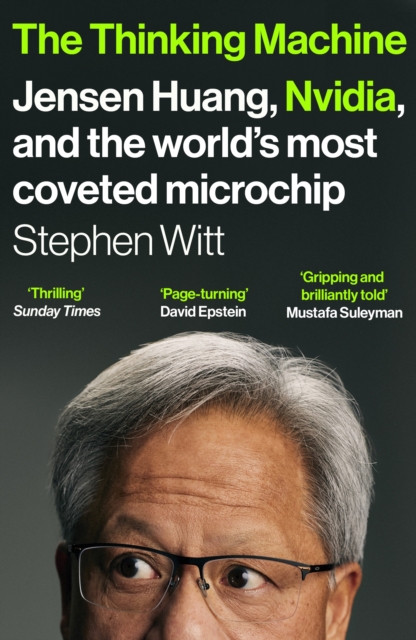
The Thinking Machine
KSh 2,350.00
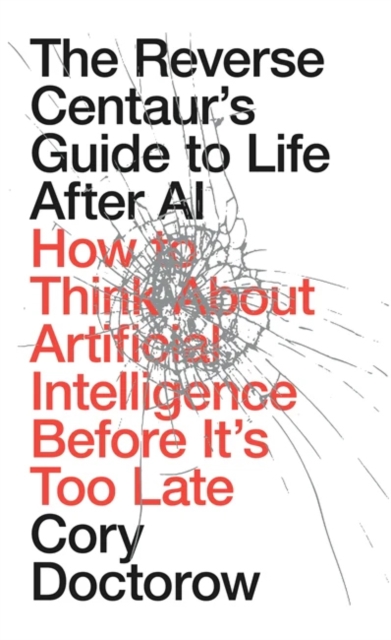
The Reverse Centaur's Guide to Life After AI
KSh 3,050.00

The MANIAC
KSh 2,000.00
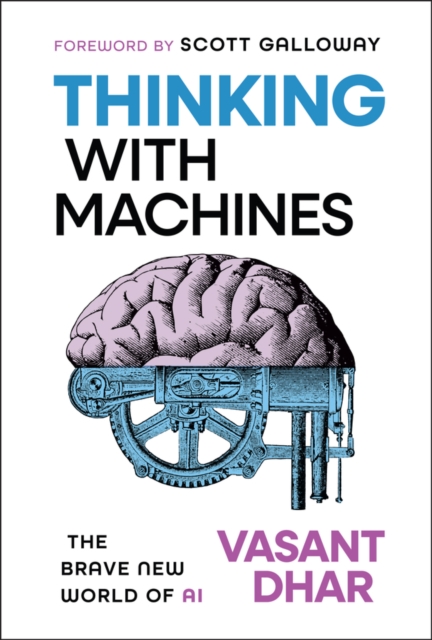
Thinking With Machines: The Brave New World of AI
KSh 4,300.00
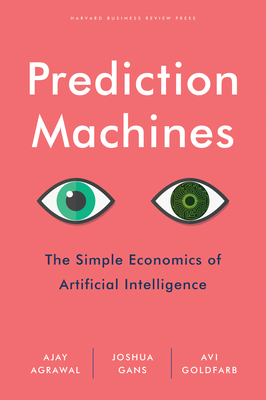
Prediction Machines
KSh 3,950.00

Confident AI
KSh 3,050.00
Responsible AI
KSh 6,400.00
Empire of AI
KSh 4,500.00

The MANIAC
KSh 2,700.00

Data Management, Analytics and Innovation
KSh 32,400.00
More by Paul Thagard
Natural Philosophy
KSh 5,350.00
How Scientists Explain Disease
KSh 8,650.00
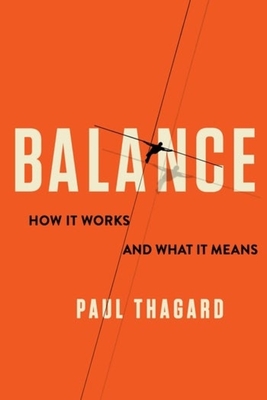
Balance – How It Works and What It Means
KSh 5,050.00
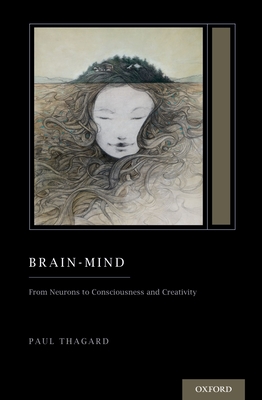
Brain-Mind
KSh 6,250.00
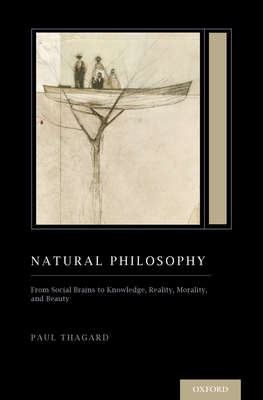
Natural Philosophy
KSh 11,550.00
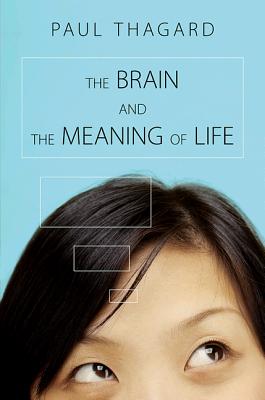
The Brain and the Meaning of Life
KSh 3,950.00

Dreams, Jokes, and Songs
KSh 7,550.00
Mind-Society
KSh 12,050.00
Brain-Mind
KSh 10,700.00
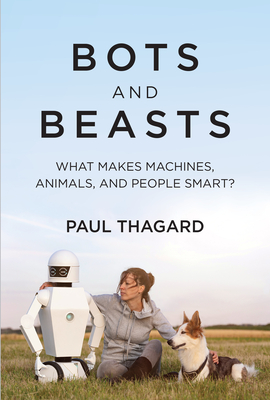
Bots and Beasts
KSh 4,850.00
Conceptual Revolutions
KSh 10,450.00

Falsehoods Fly – Why Misinformation Spreads and How to Stop It
KSh 3,950.00
