

Britons and their Battlefields : War, Memory, and Commemoration since the Fourteenth Century
by
Ian Atherton
Book Details
Format
Hardback
ISBN-10
0198912854
ISBN-13
9780198912859
Publisher
Oxford University Press
Imprint
Oxford University Press
Country of Manufacture
GB
Country of Publication
GB
Publication Date
Sep 19th, 2024
Print length
352 Pages
Weight
688 grams
Dimensions
24.00 x 16.60 x 2.60 cms
KSh 7,900.00
Temporarily out of stock, due soon
0 in stock
Delivery Location
Delivery fee: Select location
Secure
Quality
Fast
A history of British attitudes to battlefields and their commemoration over the last 700 years. The book explores and links memory-making practices from across the period to reconsider the ways in which battlefields are commemorated and re-commemorated, both in the immediate aftermath of war and across centuries thereafter.
While much attention has been paid to the commemoration of conflict in the twentieth century, this book is the first to consider conflict memory in the long term, arguing that modern practices were not created out of the mud of the trenches, but evolved from much longer practices. From the fourteenth century to the present day, this work analyses the changing commemoration and memories of British battlefields at home and overseas, from Bannockburn (1314) to Bosworth (1485) to Basra (2003-9).Across these seven centuries, there has been a series of recurring post-battle rituals that have shaped and continue to shape memories of conflict. Three distinct but overlapping periods of memory can be delineated. In the later Middle Ages battlefields were consecrated by the burial of the fallen and often by the erection of a battlefield cross, or chapel or chantry to pray for the dead. The second phase began with the Protestant Reformation in the 1530s, when pilgrimage and prayers for the dead were abolished, and battlefield chantries were dissolved and many battlefield crosses were demolished. Memories shifted from the dead to the living, especially the bodies of surviving veterans who commemorated the conflict by their wounds, and from soil and stone to print and ink. The third phase began in the eighteenth century when antiquaries and others established new monuments on past battlefields. Monuments to survivors and the dead were established on contemporary battlefields such as Waterloo, once again hailed as sacred ground hallowed by bloodshed, fit destinations for a pilgrimage. Not just officers but ordinary soldiers began to be memorialized by name on the battlefield, culminating in the cult of the names of the dead enshrined by the creation of the War Graves Commission in 1917, and the idea that battlefields should be preserved unchanged as seen in modern heritage management.Drawing on a wide variety of literary and historical sources and taking a uniquely longue durée approach, the book explores and links memory-making practices from across the period to reconsider the ways in which battlefields are commemorated and re-commemorated. In so doing, it makes a unique contribution to a wide range of historiographical fields: British history since the fourteenth century, memory studies, heritage studies, landscape history, conflict archaeology, and military history.
Get Britons and their Battlefields by Ian Atherton at the best price and quality guaranteed only at Werezi Africa's largest book ecommerce store. The book was published by Oxford University Press and it has 352 pages.
Customers Who Bought This Also Bought

Churchill
KSh 3,700.00
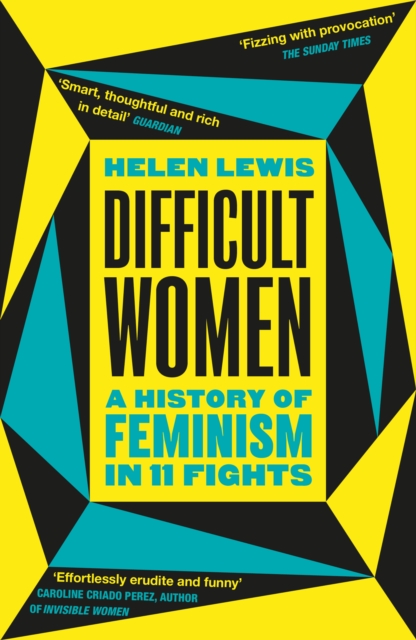
Difficult Women
KSh 2,350.00
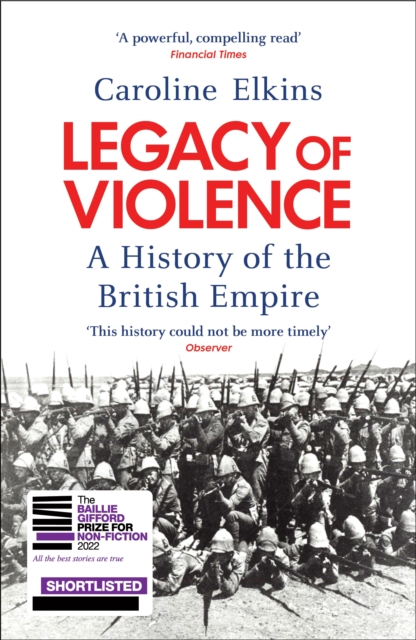
Legacy of Violence
KSh 3,150.00
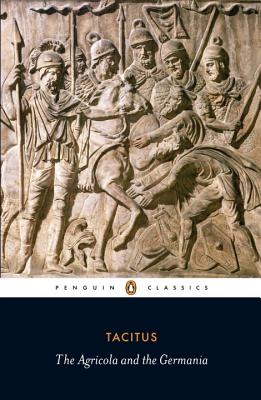
Agricola and the Germania
KSh 2,350.00
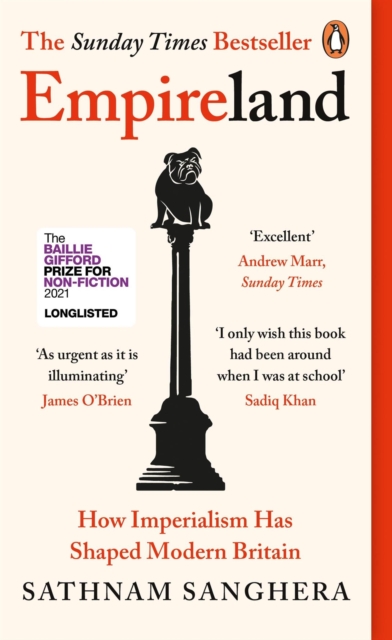
Empireland
KSh 2,150.00

The History of the Kings of Britain
KSh 2,350.00

Siege
KSh 2,000.00

Anarchy
KSh 2,700.00
What Matters in Jane Austen?
KSh 2,700.00
Unruly
KSh 2,150.00
Map Of A Nation
KSh 2,350.00

Black and British
KSh 2,350.00
