
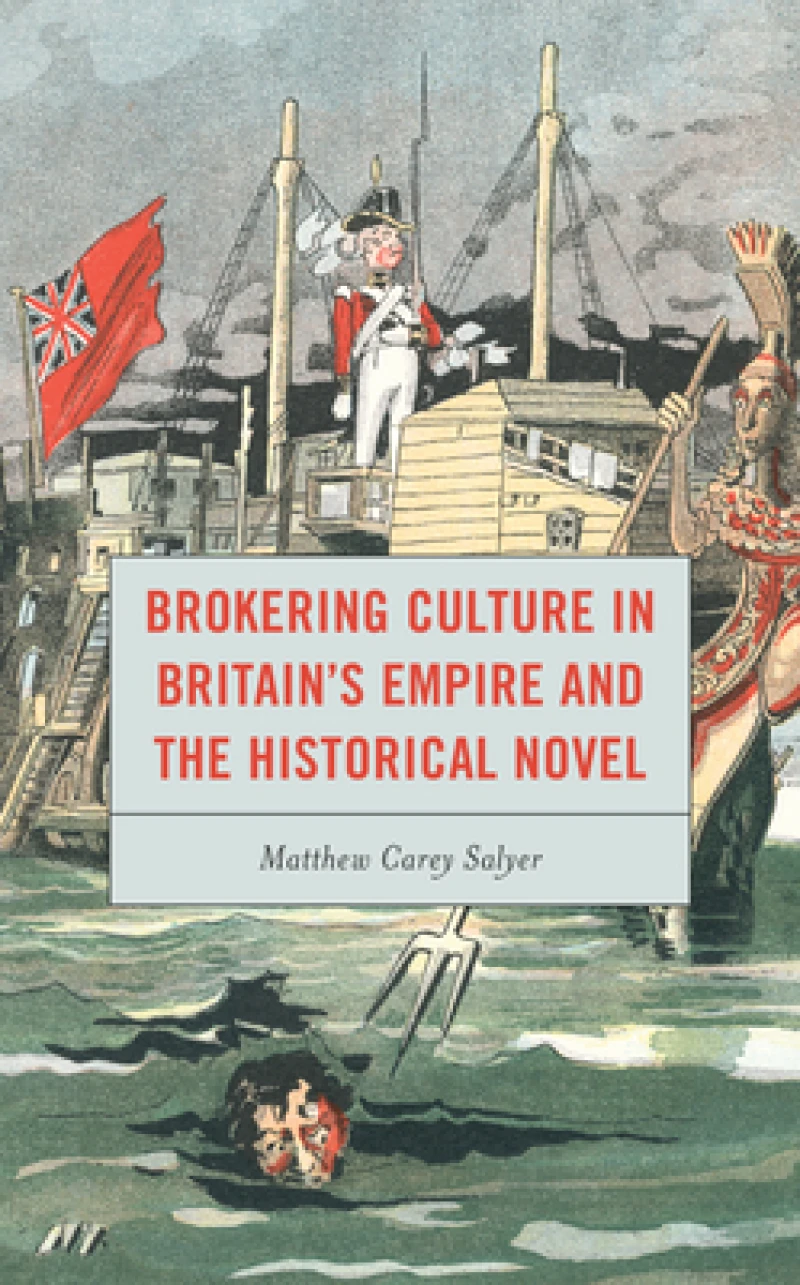
Brokering Culture in Britain's Empire and the Historical Novel
Book Details
Format
Paperback / Softback
ISBN-10
1498562922
ISBN-13
9781498562928
Publisher
Bloomsbury Publishing Plc
Imprint
Lexington Books
Country of Manufacture
GB
Country of Publication
GB
Publication Date
May 11th, 2022
Print length
298 Pages
Weight
367 grams
Dimensions
22.00 x 15.20 x 1.80 cms
Product Classification:
Literary studies: c 1800 to c 1900 Politics & government
Ksh 7,250.00
Manufactured on Demand
0 in stock
Delivery Location
Delivery fee: Select location
Secure
Quality
Fast
Brokering Culture in Britain's Empire and the Historical Novel examines the relationship between the historical sensibilities of nineteenth-century British and American “romancers” and the conceptual frameworks that eighteenth-century imperial interlocutors used to imagine and critique their own experiences of Britain’s diffused, tenuous, and often accidental authority. Salyer argues that this cultural experience, more than what Lukács had in mind when he wrote of a mass historical consciousness after Napoleon, gave rise to the Romantic historiographical approach of writers such as Walter Scott, James Fenimore Cooper, Charles Brockden Brown and Frederick Marryat. This book traces the conversion of the eighteenth-century imperial speaker into the nineteenth-century “romance” hero through a number of proto-novelistic responses to the problem of Imperial history, including Edmund Burke in the Annual Register and the celebrated court case of James Annesley, among others. The author argues that popular Romantic novels such as Scott’s Waverley and Cooper’s The Pioneers convert the problem of narrating the political geographies of eighteenth-century Empire into a discourse of history, placing the historical realities of negotiating Imperial authority at the heart of a nineteenth-century project that fictionalized the possibilities and limits of political historical agency in the modern nation state.
Brokering Culture in Britain''s Empire and the Historical Novel examines the relationship between the historical sensibilities of nineteenth-century British and American “romancers” and the conceptual frameworks that eighteenth-century imperial interlocutors used to imagine and critique their own experiences of Britain’s diffused, tenuous, and often accidental authority. Salyer argues that this cultural experience, more than what Lukács had in mind when he wrote of a mass historical consciousness after Napoleon, gave rise to the Romantic historiographical approach of writers such as Walter Scott, James Fenimore Cooper, Charles Brockden Brown and Frederick Marryat. This book traces the conversion of the eighteenth-century imperial speaker into the nineteenth-century “romance” hero through a number of proto-novelistic responses to the problem of Imperial history, including Edmund Burke in the Annual Register and the celebrated court case of James Annesley, among others. The author argues that popular Romantic novels such as Scott’s Waverley and Cooper’s The Pioneers convert the problem of narrating the political geographies of eighteenth-century Empire into a discourse of history, placing the historical realities of negotiating Imperial authority at the heart of a nineteenth-century project that fictionalized the possibilities and limits of political historical agency in the modern nation state.
Get Brokering Culture in Britain's Empire and the Historical Novel by at the best price and quality guaranteed only at Werezi Africa's largest book ecommerce store. The book was published by Bloomsbury Publishing Plc and it has pages.

