
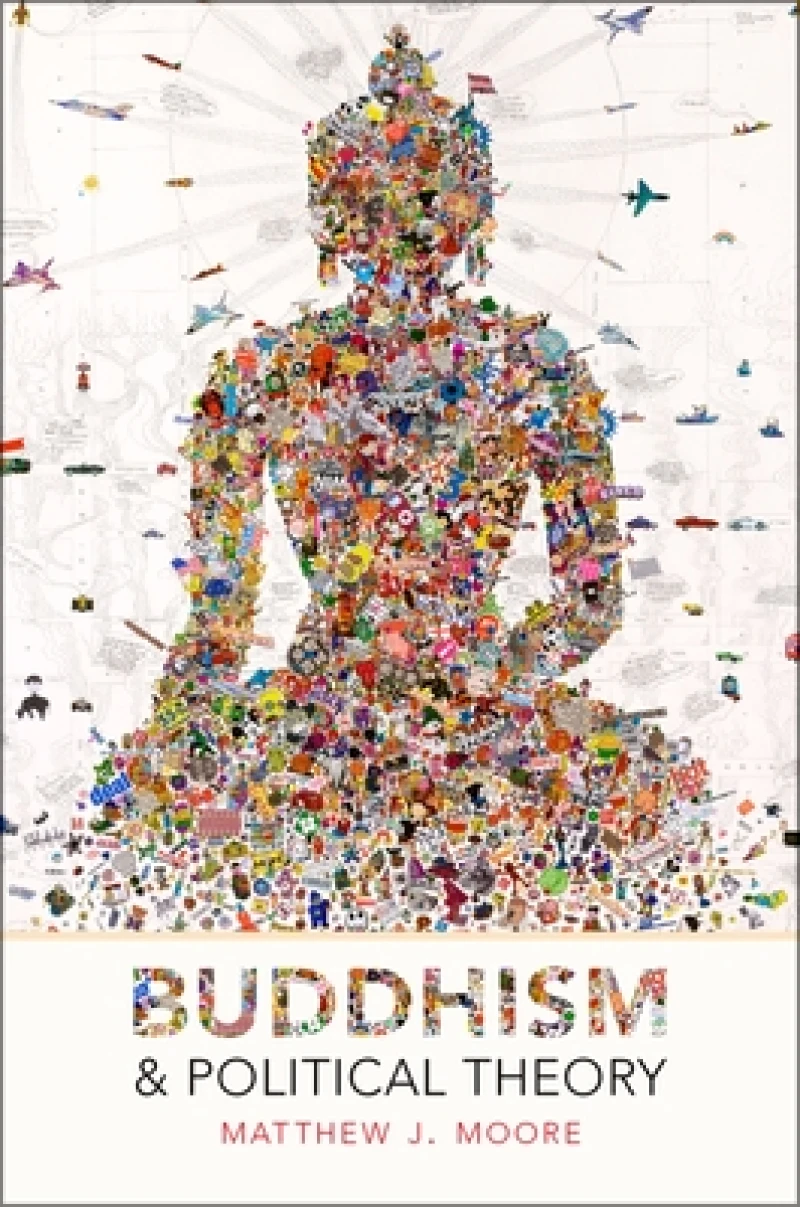
Buddhism and Political Theory
Book Details
Format
Hardback or Cased Book
ISBN-10
0190465514
ISBN-13
9780190465513
Publisher
Oxford University Press Inc
Imprint
Oxford University Press Inc
Country of Manufacture
US
Country of Publication
GB
Publication Date
May 19th, 2016
Print length
208 Pages
Weight
422 grams
Dimensions
23.90 x 15.50 x 2.30 cms
Product Classification:
Philosophy of religionHistory of religionBuddhismPolitical science & theory
Ksh 18,850.00
Manufactured on Demand
0 in stock
Delivery Location
Delivery fee: Select location
Secure
Quality
Fast
Buddhism and Political Theory provides a comprehensive survey and analysis of Buddhist political theory from the time of the Buddha to the present. The book provides careful readings of all of the relevant primary texts and analyzes the existing scholarship on Buddhism and politics from a wide variety of disciplines.
Despite the recent upsurge of interest in comparative political theory, there has been virtually no serious examination of Buddhism by political philosophers in the past five decades. In part, this is because Buddhism is not typically seen as a school of political thought. However, as Matthew Moore argues, Buddhism simultaneously parallels and challenges many core assumptions and arguments in contemporary Western political theory. In brief, Western thinkers not only have a great deal to learn about Buddhism, they have a great deal to learn from it. To both incite and facilitate the process of Western theorists engaging with this neglected tradition, this book provides a detailed, critical reading of the key primary Buddhist texts, from the earliest recorded teachings of the Buddha through the present day. It also discusses the relevant secondary literature on Buddhism and political theory (nearly all of it from disciplines other than political theory), as well as the literatures on particular issues addressed in the argument. Moore argues that Buddhist political thought rests on three core premises--that there is no self, that politics is of very limited importance in human life, and that normative beliefs and judgments represent practical advice about how to live a certain way, rather than being obligatory commands about how all persons must act. He compares Buddhist political theory to what he sees as Western analogues--Nietzsche''s similar but crucially different theory of the self, Western theories of limited citizenship from Epicurus to John Howard Yoder, and to the Western tradition of immanence theories in ethics. This will be the first comprehensive treatment of Buddhism as political theory.
Get Buddhism and Political Theory by at the best price and quality guaranteed only at Werezi Africa's largest book ecommerce store. The book was published by Oxford University Press Inc and it has pages.

