

Building Pathways to Peace : State–Society Relations and Security Sector Reform
Book Details
Format
Paperback / softback
Book Series
Elements in International Relations
ISBN-10
1009406752
ISBN-13
9781009406758
Publisher
Cambridge University Press
Imprint
Cambridge University Press
Country of Manufacture
GB
Country of Publication
GB
Publication Date
Dec 7th, 2023
Print length
78 Pages
Weight
132 grams
Dimensions
15.20 x 22.80 x 0.70 cms
Product Classification:
International relations
KSh 3,250.00
Currently unavailable
0 in stock
Delivery Location
Delivery fee: Select location
Secure
Quality
Fast
This Element promotes a radical re-think of SSR in the context of conflict and war. Second generation SSR recognizes local communities and non-state actors in security and justice. It argues that a focus on functional equivalents, minorities, gender, and human rights is key for the design, implementation, and success of SSR.
SSR is a key element of the transitions out of war, aiming at the establishment of accountable and legitimate institutions able to prevent and sanction the use of violence. While recognizing the need to include local actors, donor policies still focus mostly on the state as a provider of security. Second generation SSR has emphasized the need to include local communities and recognize the existence of non-state actors in the provision of security and justice. However, recognition is not enough. This Element promotes a radical re-think of SSR in the context of conflict and war. Guiding question for the considerations is how can security sector reform be set up and implemented to contribute to constructive and inclusive state-society relations, and build the path to long-lasting peace? This Element argues that a focus on functional equivalents, minorities, gender, and human rights is key for the design, implementation, and success of SSR. This title is also available as open access on Cambridge Core.
Get Building Pathways to Peace by Nadine Ansorg, Sabine Kurtenbach at the best price and quality guaranteed only at Werezi Africa's largest book ecommerce store. The book was published by Cambridge University Press and it has 78 pages.
Customers Who Bought This Also Bought

Black Wave
KSh 2,700.00

Siege
KSh 2,000.00

Extractive Capitalism
KSh 2,150.00

Strategy
KSh 4,350.00

Fourth Industrial Revolution
KSh 2,700.00

On China
KSh 3,400.00

Dead Aid
KSh 3,400.00
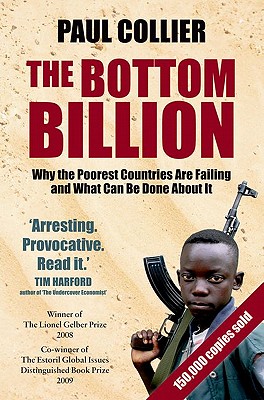
The Bottom Billion
KSh 2,500.00

Leadership
KSh 2,700.00

How to Win a Trade War
KSh 3,050.00

Understanding Global Conflict and Cooperation: An Introduction to Theory and History
KSh 14,000.00
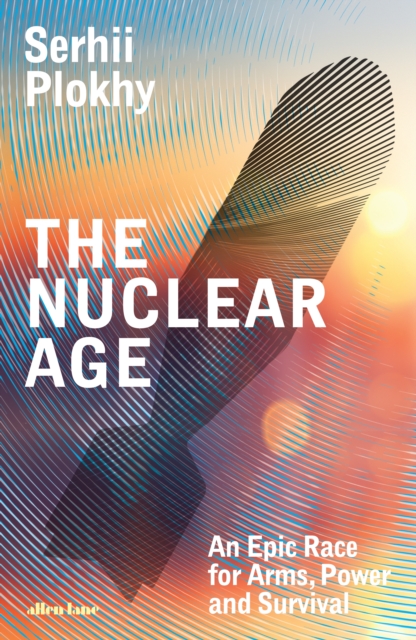
Nuclear Age
KSh 5,400.00