

Building Quantum Computers : A Practical Introduction
Book Details
Format
Hardback
ISBN-10
1009417010
ISBN-13
9781009417013
Publisher
Cambridge University Press
Imprint
Cambridge University Press
Country of Manufacture
GB
Country of Publication
GB
Publication Date
Jul 11th, 2024
Print length
272 Pages
Weight
684 grams
Dimensions
18.30 x 26.10 x 1.80 cms
KSh 7,650.00
Currently unavailable
0 in stock
Delivery Location
Delivery fee: Select location
Secure
Quality
Fast
The global race to build the world's first quantum computer has attracted enormous investment from government and industry. This cutting-edge textbook is ideal for senior undergraduate and graduate students in physics, engineering, and computer science interested in the learning the practical implementations of quantum computers, and how they work.
The global race to build the world's first quantum computer has attracted enormous investment from government and industry, and it attracts a growing pool of talent. As with many cutting-edge technologies, the optimal implementation is not yet settled. This important textbook describes four of the most advanced platforms for quantum computing: nuclear magnetic resonance, quantum optics, trapped ions, and superconducting systems. The fundamental physical concepts underpinning the practical implementation of quantum computing are reviewed, followed by a balanced analysis of the strengths and weaknesses inherent to each type of hardware. The text includes more than 80 carefully designed exercises with worked solutions available to instructors, applied problems from key scenarios, and suggestions for further reading, facilitating a practical and expansive learning experience. Suitable for senior undergraduate and graduate students in physics, engineering, and computer science, Building Quantum Computers is an invaluable resource for this emerging field.
Get Building Quantum Computers by Christopher Wilson, Raymond Laflamme at the best price and quality guaranteed only at Werezi Africa's largest book ecommerce store. The book was published by Cambridge University Press and it has 272 pages.
Customers Who Bought This Also Bought

White Holes
KSh 1,800.00
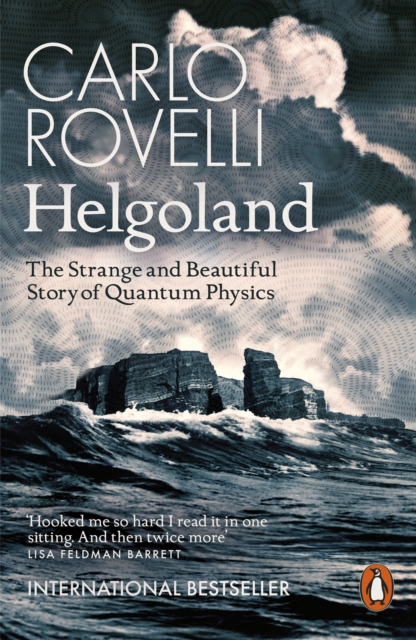
Helgoland
KSh 2,350.00

In Search Of Schrodinger''s Cat
KSh 2,350.00
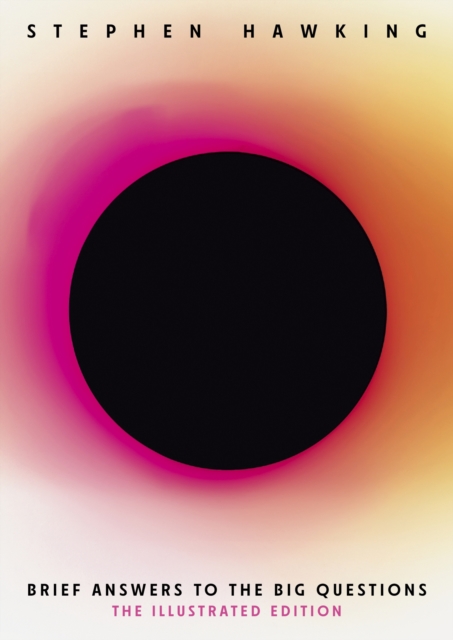
Brief Answers to the Big Questions (Illustrated Edition)
KSh 4,750.00
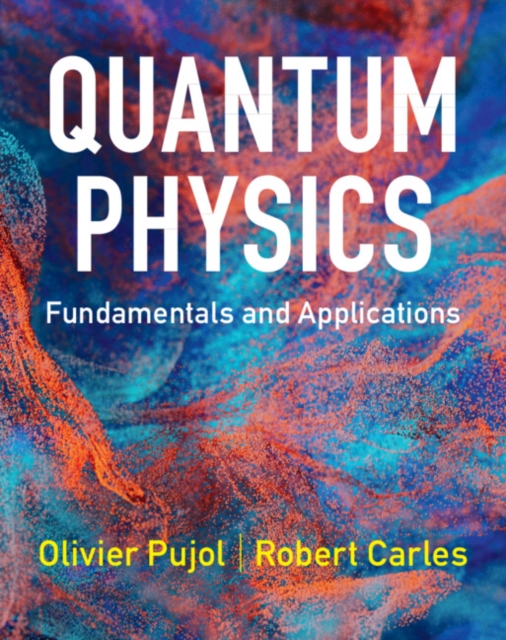
Quantum Physics
KSh 14,650.00

The Psalms – Rejoice, the Lord Is King (Volume 2, Psalms 42 to 106)
KSh 7,400.00
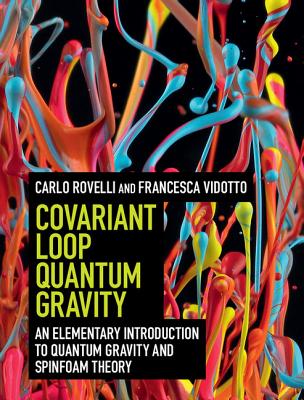
Covariant Loop Quantum Gravity
KSh 10,200.00
Waves and Stones
KSh 5,400.00

Physics for Beginners
KSh 2,050.00

Qed
KSh 2,350.00

Thinking Beyond Materialism
KSh 3,400.00

Thinking Beyond Materialism
KSh 15,550.00
More by Christopher Wilson, Raymond Laflamme

Hurdy Gurdy
KSh 1,800.00
An Introduction to Quantum Computing
KSh 12,400.00

Edinburgh
KSh 12,800.00

The Gothic Cathedral
KSh 3,900.00

Medieval Art and Architecture in the East Riding of Yorkshire
KSh 7,900.00

Physical Activity and Rehabilitation in Life-threatening Illness
KSh 30,950.00

Medieval Art and Architecture in the East Riding of Yorkshire
KSh 30,950.00

Zoo
KSh 1,450.00

Physical Activity and Rehabilitation in Life-threatening Illness
KSh 8,600.00
