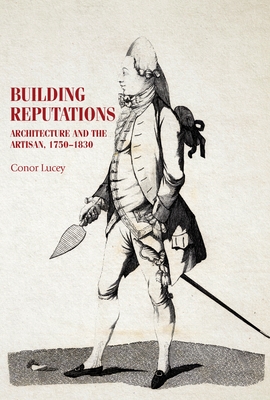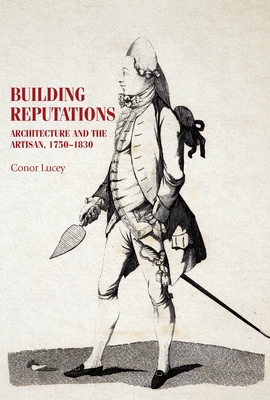
Building Reputations : Architecture and the Artisan, 1750–1830
by
Conor Lucey
Book Details
Format
Paperback / softback
Book Series
Studies in Design and Material Culture
ISBN-10
1526159570
ISBN-13
9781526159571
Publisher
Manchester University Press
Imprint
Manchester University Press
Country of Manufacture
GB
Country of Publication
GB
Publication Date
Sep 28th, 2021
Print length
264 Pages
Weight
612 grams
Dimensions
16.90 x 24.40 x 2.40 cms
KSh 5,550.00
Werezi Extended Catalogue
Delivery in 12 days
1 copies in stock
Delivery Location
Delivery fee: Select location
Delivery in 12 days
Secure
Quality
Fast
This book advances a novel approach to a familiar eighteenth-century building type: the brick terraced house. Focusing on issues of design and architectural taste, it rehabilitates the reputation of the artisan communities of bricklayers, carpenters and plasterers responsible for its design and construction. -- .
Taking a cue from revisionist scholarship on early modern vernacular architectures and their relationship to the classical canon, this book rehabilitates the reputations of a representative if misunderstood building typology ? the eighteenth-century brick terraced house ? and the artisan communities of bricklayers, carpenters and plasterers responsible for its design and construction. Opening with a cultural history of the building tradesman in terms of his reception within contemporary architectural discourse, chapters consider the design, decoration and marketing of the town house in the principal cities of the eighteenth- and early nineteenth-century British Atlantic world. The book is essential reading for students and scholars of the history of architectural design and interior decoration specifically, and of eighteenth-century society and culture generally.
Get Building Reputations by Conor Lucey at the best price and quality guaranteed only at Werezi Africa's largest book ecommerce store. The book was published by Manchester University Press and it has 264 pages.
Customers Who Bought This Also Bought
Women Artists, Their Patrons, and Their Publics in Early Modern Bologna
KSh 11,950.00
Turner
KSh 2,700.00
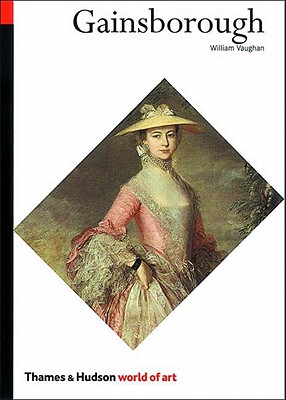
Gainsborough
KSh 2,700.00
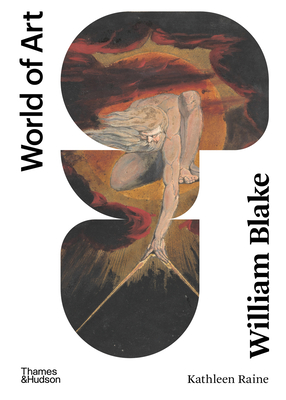
William Blake
KSh 2,700.00

The Part and the Whole in Early American Literature, Print Culture, and Art
KSh 22,300.00

The Horrible Gift of Freedom
KSh 8,950.00

Velazquez
KSh 27,000.00

Collecting Dutch Golden Age Paintings
KSh 6,300.00

The Dutch Italianates
KSh 4,600.00
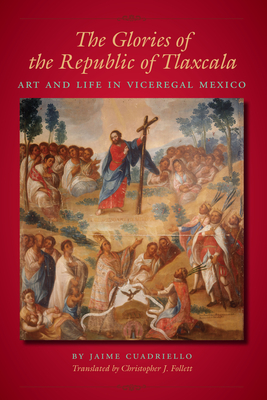
The Glories of the Republic of Tlaxcala
KSh 7,900.00

Cabinets of Curiosities
KSh 3,550.00
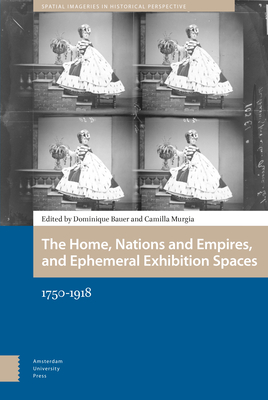
The Home, Nations and Empires, and Ephemeral Exhibition Spaces
KSh 26,300.00