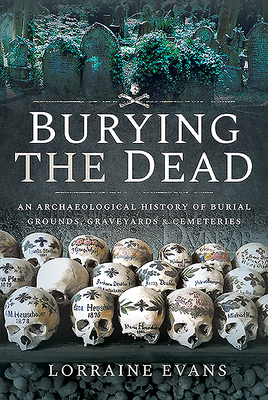
Burying the Dead : An Archaeological History of Burial Grounds, Graveyards and Cemeteries
Book Details
Format
Paperback / softback
ISBN-10
1526757575
ISBN-13
9781526757579
Publisher
Pen & Sword Books Ltd
Imprint
Pen & Sword History
Country of Manufacture
GB
Country of Publication
GB
Publication Date
Nov 20th, 2025
Print length
216 Pages
Weight
318 grams
Dimensions
23.30 x 15.60 x 2.10 cms
Product Classification:
Social & cultural historyLandscape archaeologySocial and cultural historyLandscape archaeology
KSh 2,700.00
Werezi Extended Catalogue
Delivery in 12 days
1 copies in stock
Delivery Location
Delivery fee: Select location
Delivery in 12 days
Secure
Quality
Fast
Deep in the heart of North Yorkshire, at a place called Walkington Wold, there lies a rather unusual burial ground, an Anglo-Saxon execution cemetery. Twelve skeletons were unearthed by archaeologists, ten without skulls, later examination of the skeletons revealed that their owners were all subjected to judicial execution by decapitation, one of which required several blows.Similar fates have befallen other wretched souls, the undignified burial of suicides - in the Middle Ages, the most profound of sins - and the desecration of their bodies, go largely unrecorded. Whilst plague pits, vast cemeteries where victims of the Black Death were tossed into the ground, their bodies festering one on top of another, are only today betraying their secrets.Although unpalatable to some, these burial grounds are an important part of our social heritage. They have been fashioned as much by the people who founded and used them, as by the buildings, gravestones and other features which they contain. They are records of social change; the symbols engraved upon individual memorials convey a sense of inherent belief systems, as they were constructed, adapted or abandoned depending on people’s needs.Burying the Dead explores how these attitudes, practices and beliefs about death have undergone continual change. By studying the development of society’s funerary spaces, the author will reveal how we continue to reinforce our relationships with the dead, in a constant and on-going effort to maintain a bond with them.
Get Burying the Dead by Lorraine Evans at the best price and quality guaranteed only at Werezi Africa's largest book ecommerce store. The book was published by Pen & Sword Books Ltd and it has 216 pages.
Customers Who Bought This Also Bought
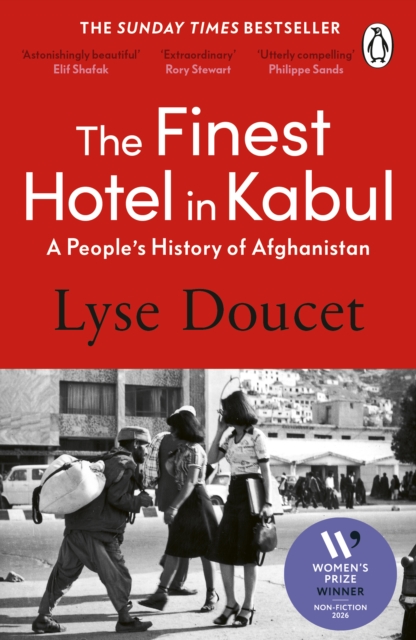
The Finest Hotel in Kabul
KSh 2,150.00

Black Wave
KSh 2,700.00

Migrations
KSh 5,450.00

Art of War / The Book of Lord Shang
KSh 1,100.00

Nexus
KSh 2,350.00

World According to Colour
KSh 2,700.00
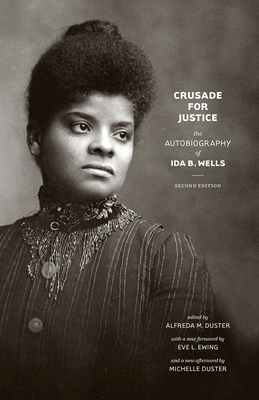
Crusade for Justice – The Autobiography of Ida B. Wells, Second Edition
KSh 4,050.00
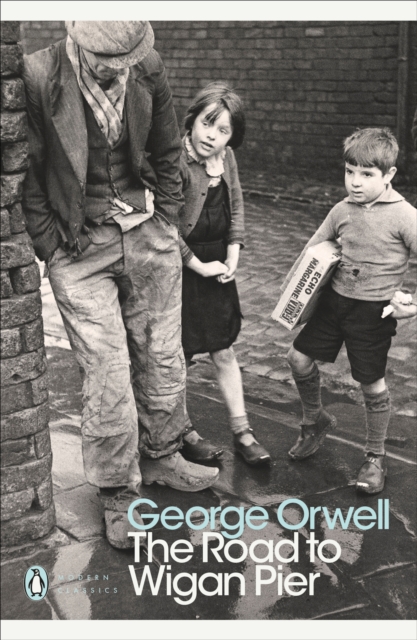
Modern Classics Road To Wigan Pier
KSh 1,800.00
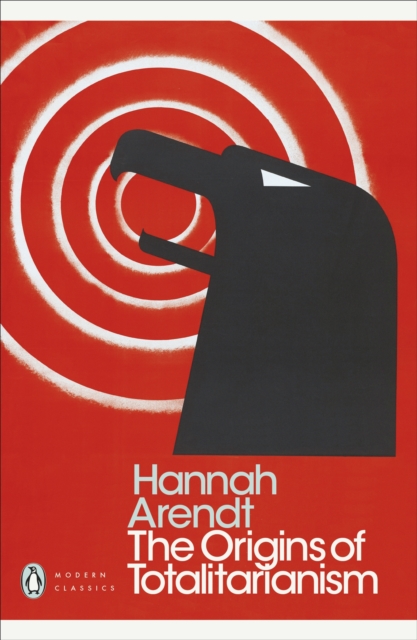
The Origins of Totalitarianism
KSh 2,700.00
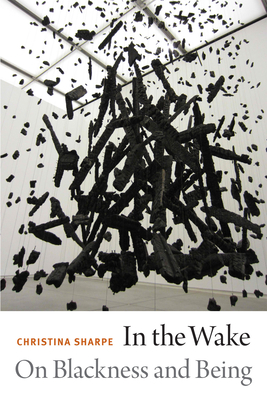
In the Wake
KSh 3,600.00
Question of Palestine
KSh 2,700.00

Palestine
KSh 2,400.00