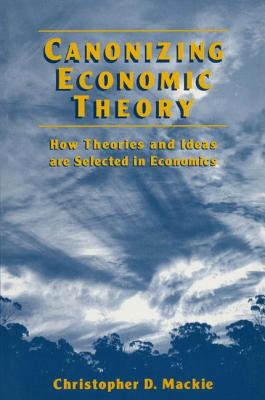
Canonizing Economic Theory : How Theories and Ideas are Selected in Economics
Book Details
Format
Hardback
ISBN-10
0765602849
ISBN-13
9780765602848
Publisher
Taylor & Francis Ltd
Imprint
Routledge
Country of Manufacture
GB
Country of Publication
GB
Publication Date
Mar 31st, 1998
Print length
203 Pages
Weight
453 grams
Product Classification:
Economic theory & philosophyEconomic theory and philosophy
KSh 18,700.00
Currently unavailable
0 in stock
Delivery Location
Delivery fee: Select location
Secure
Quality
Fast
This text analyzes how ideas and theories are accepted in economics, from the pre-publication phase to the point where a theory enters the accepted body of professional literature. It shows how both empirical and non-empirical criteria determine how theory will evolve.
Historians of economic thought traditionally summarize, critique, and trace the development of existing theory. History of thought literature provides information about the authors, chronology, and relative importance of influential works. Generally missing from the literature, however, are answers to questions about why economic theory exists in its current form: Why have economists chosen the theories they have to represent the discipline''s formal content? What are the criteria that determine the value of a theory, or of research in general; and, how have these criteria changed over time? In this insightful and well-written work, Christopher Mackie analyzes how ideas and theories are accepted in economics, from the pre-publication phase to the point at which, once written, a theory enters the accepted body of professional literature. Drawing from economics, the history of science, and philosophy, Mackie shows how both empirical and non-empirical criteria determine how theory will actually evolve.
Get Canonizing Economic Theory by Christopher D. Mackie at the best price and quality guaranteed only at Werezi Africa's largest book ecommerce store. The book was published by Taylor & Francis Ltd and it has 203 pages.
Customers Who Bought This Also Bought
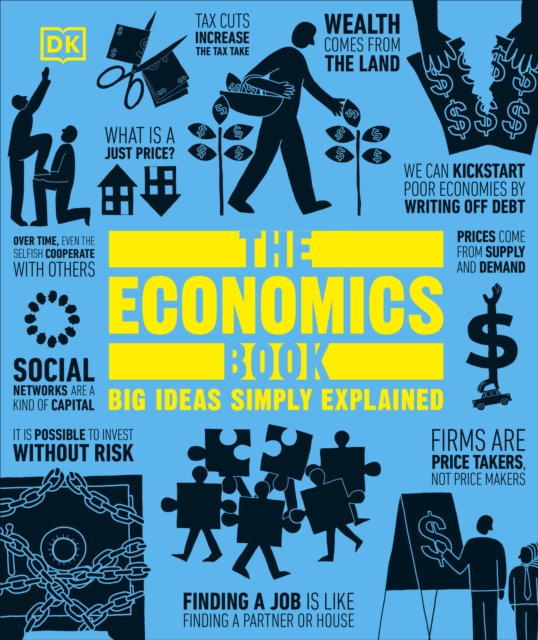
Economics Book
KSh 4,250.00
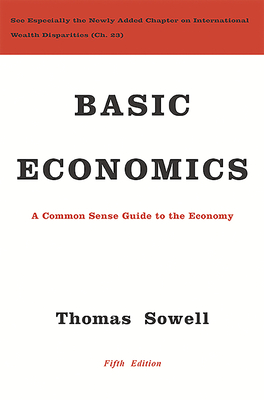
Basic Economics
KSh 6,850.00
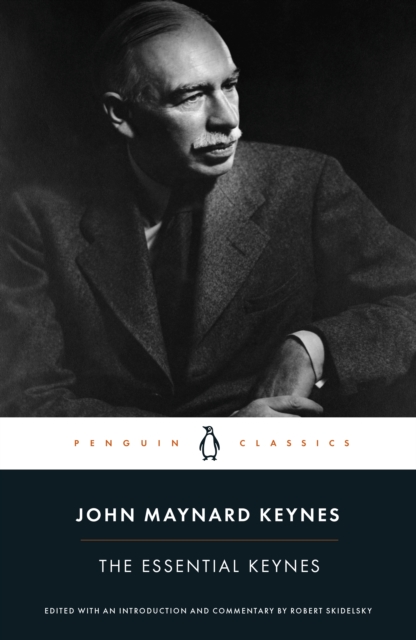
The Essential Keynes
KSh 2,350.00
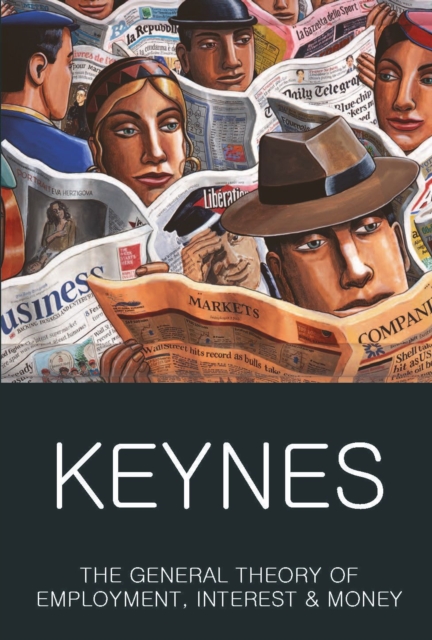
General Theory of Employment, Interest and Money
KSh 1,400.00
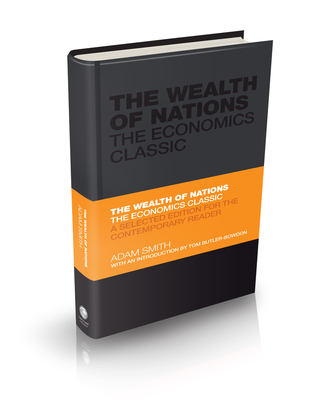
The Wealth of Nations – The Economics Classic – A Selected Edition for the Contemporary Reader
KSh 2,350.00

Wealth of Nations
KSh 1,800.00
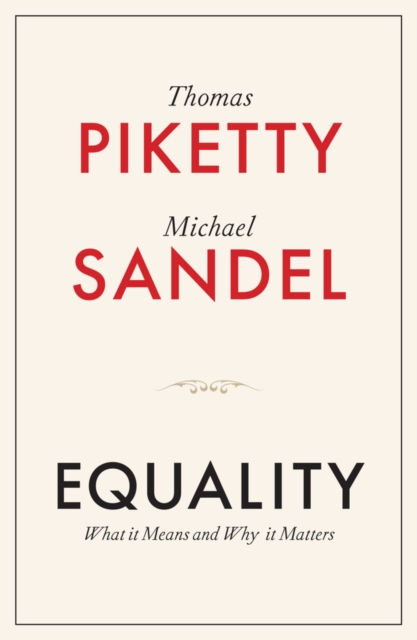
Equality
KSh 2,150.00
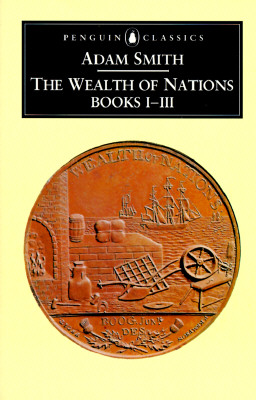
The Wealth of Nations
KSh 2,350.00
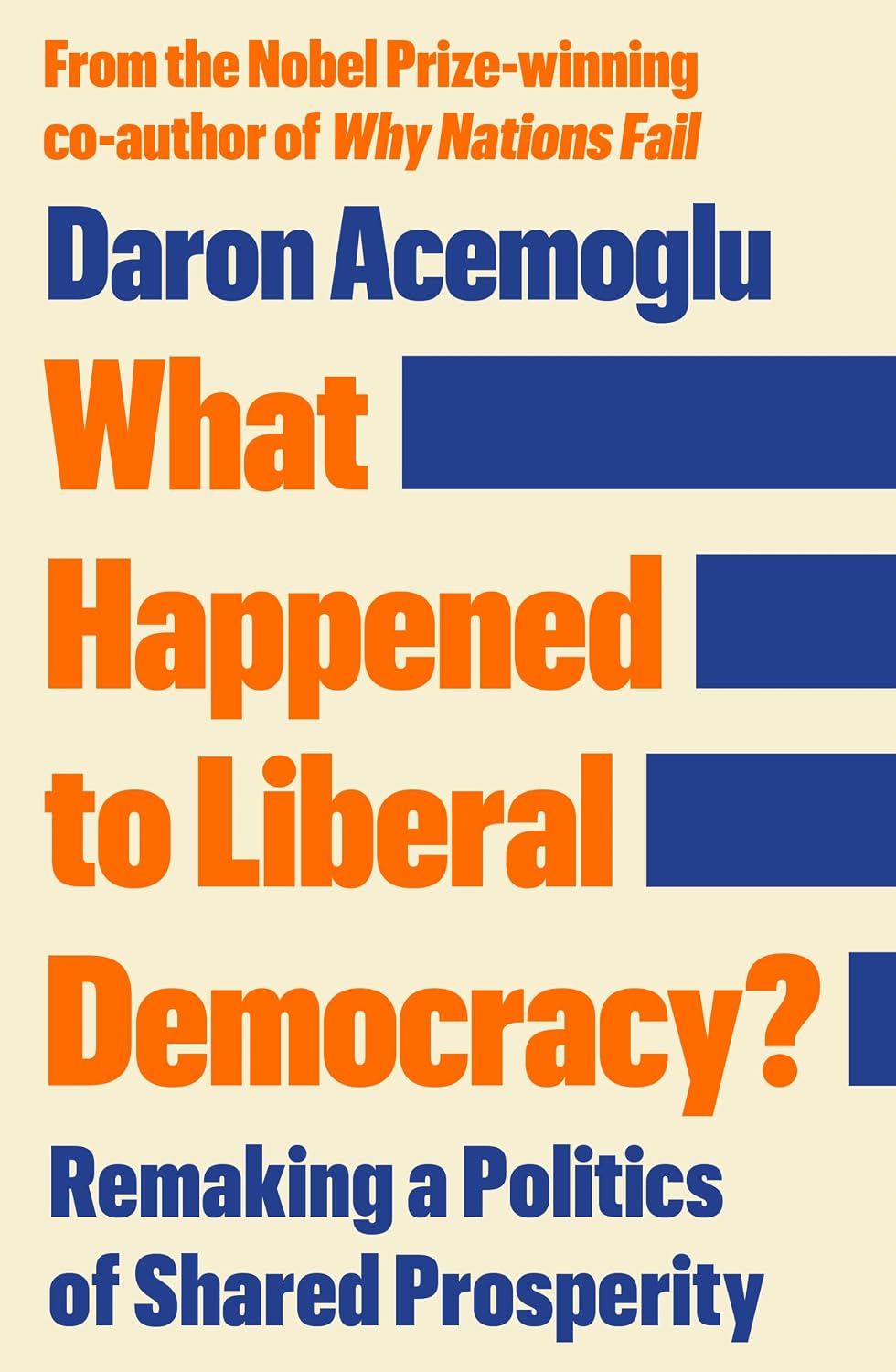
What Happened to Liberal Democracy?
KSh 3,050.00

Good Economics for Hard Times
KSh 2,350.00
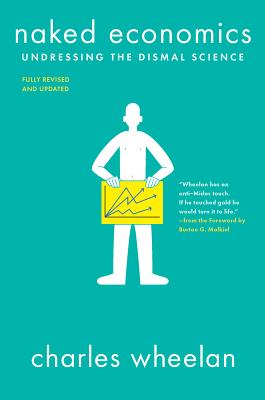
Naked Economics – Undressing the Dismal Science
KSh 2,550.00
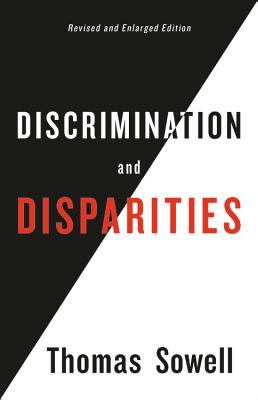
Discrimination and Disparities
KSh 5,400.00