
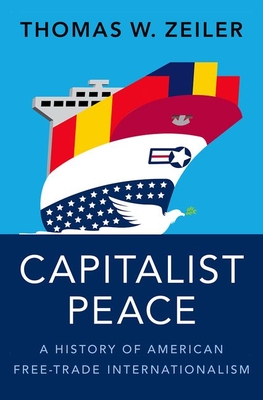
Capitalist Peace : A History of American Free-Trade Internationalism
Book Details
Format
Hardback
ISBN-10
0197621368
ISBN-13
9780197621363
Publisher
Oxford University Press Inc
Imprint
Oxford University Press Inc
Country of Manufacture
GB
Country of Publication
GB
Publication Date
Nov 14th, 2022
Print length
384 Pages
Weight
654 grams
Dimensions
16.70 x 24.20 x 3.70 cms
Product Classification:
History of the AmericasPolitical economyEconomic historyHistory of the Americas
KSh 5,950.00
Temporarily out of stock, due soon
0 in stock
Delivery Location
Delivery fee: Select location
Secure
Quality
Fast
This wide-ranging history of modern America demonstrates that the idea of a capitalist peace cast free trade as an engine of US foreign policy and the key to global prosperity from the 1930s to the present.
A wide-ranging history of modern America that argues that free trade has been an engine of US foreign policy and the key to global prosperity.Surprisingly, exports and imports, tariffs and quotas, and trade deficits and surpluses are central to American foreign relations. Ever since Franklin D. Roosevelt took office during the Great Depression, the United States has linked trade to its long-term diplomatic objectives and national security. Washington, DC saw free trade as underscoring its international leadership and as instrumental to global prosperity, to winning wars and peace, and to shaping the liberal internationalist world order. Free trade, in short, was a cornerstone of an ideology of "capitalist peace." Covering nearly a century, Capitalist Peace provides the first chronologically sweeping look at the intersection of trade and diplomacy. This policy has been pursued oftentimes at a cost to US producers and workers, whose interests were sacrificed to serve the purpose of grand strategy. To be sure, capitalists sought a particular type of global trade, which harnessed the market through free trade. This liberal trade policy sought the common good as defined by the needs, aims, and strengths of the capitalist and democratic world. Leaders believed that free trade advanced private enterprise, which, in turn, promoted prosperity, democracy, security, and attendant by-products like development, cooperation, integration, and human rights. The capitalist peace took liberalization as integral to cooperation among nations and even to morality in global affairs. Drawing on new research from the Reagan, George H.W. Bush, Clinton, and George W. Bush presidential libraries, as well as business/ industry and civic association archives, Thomas W. Zeiler narrates this history from the road to World War II, through the Cold War, to the resurgent protectionism of the Trump era and up to the present. Offering a new interpretation of diplomatic history, Capitalist Peace shows how US power, interests, and values were projected into the international arena even as capitalism brought both positive and negative results to the global order.
Get Capitalist Peace by Thomas W. Zeiler at the best price and quality guaranteed only at Werezi Africa's largest book ecommerce store. The book was published by Oxford University Press Inc and it has 384 pages.
Customers Who Bought This Also Bought
Crusade for Justice – The Autobiography of Ida B. Wells, Second Edition
KSh 4,050.00

Killers of the Flower Moon
KSh 2,000.00
Warmth of Other Suns
KSh 3,050.00

Frederick Douglass
KSh 3,350.00
107 Days
KSh 4,500.00

Second Treatise of Government – Norton Library
KSh 1,600.00

Tuesdays With Morrie
KSh 2,000.00
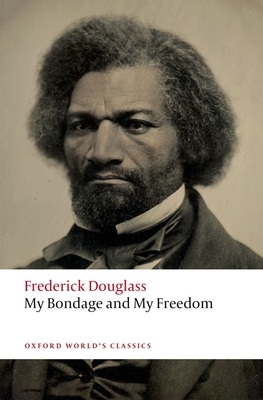
My Bondage and My Freedom
KSh 1,600.00

Hidden Figures
KSh 2,000.00
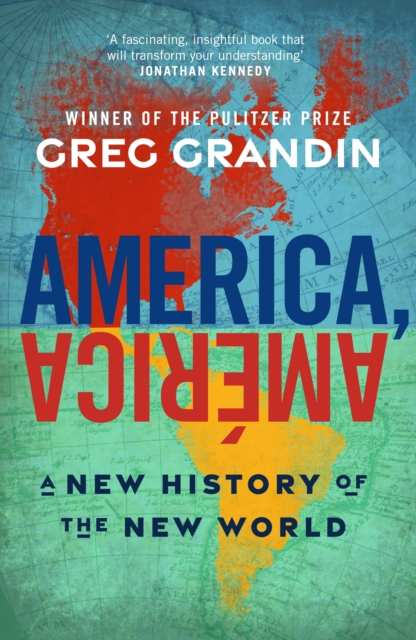
America, América
KSh 3,650.00

Holding the Line
KSh 2,000.00
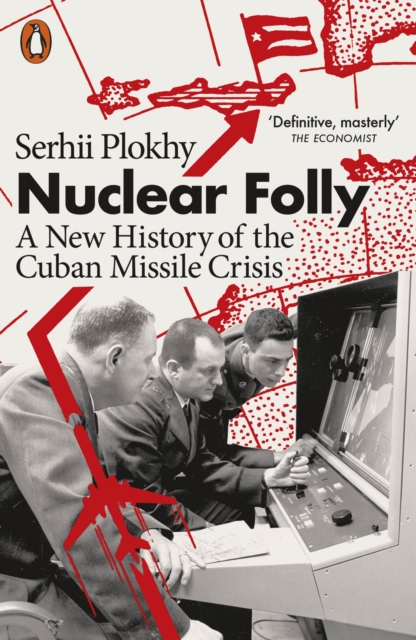
Nuclear Folly
KSh 3,050.00
More by Thomas W. Zeiler

Globalization and the American Century
KSh 6,350.00
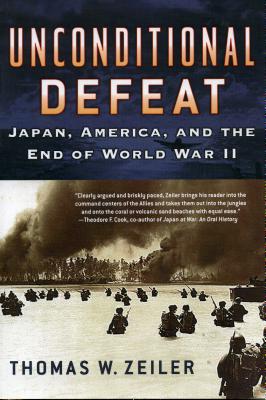
Unconditional Defeat
KSh 18,000.00

National Pastime
KSh 6,850.00

Ambassadors in Pinstripes
KSh 19,800.00

Unconditional Defeat
KSh 6,300.00

Dean Rusk
KSh 7,200.00
Ambassadors in Pinstripes
KSh 7,000.00

Globalization and the American Century
KSh 9,250.00
