

Capitalizing on Nature : Ecosystems as Natural Assets
Book Details
Format
Paperback / softback
ISBN-10
0521189276
ISBN-13
9780521189279
Publisher
Cambridge University Press
Imprint
Cambridge University Press
Country of Manufacture
GB
Country of Publication
GB
Publication Date
Sep 8th, 2011
Print length
336 Pages
Weight
540 grams
Dimensions
22.70 x 15.50 x 0.90 cms
Product Classification:
Environmental economicsEnvironmental economics
KSh 5,600.00
Currently unavailable
0 in stock
Delivery Location
Delivery fee: Select location
Secure
Quality
Fast
Throughout our history we have tended to view ecosystems as limitless, abundant and always available for our use, exploitation and conversion. This book shows how modeling ecosystems as natural capital can help us to analyze the economic behavior that has led to the overuse of so much ecological wealth.
The basic unit of nature – the ecosystem – is a special form of wealth, which we can think of as a stock of natural capital. However, perhaps because this capital is free, we have tended to view it as limitless, abundant and always available for our use, exploitation and conversion. Capitalizing on Nature shows how modeling ecosystems as natural capital can help us to analyze the economic behavior that has led to the overuse of so much ecological wealth. It explains how this concept of ecosystem as natural capital sheds light on a number of important issues, including landscape conversion, ecological restoration, ecosystem resilience and collapse, spatial benefits and payments for ecosystem services. The book concludes by focusing on major policy challenges that need to be overcome in order to avert the worsening problem of ecological scarcity and how we can fund novel financing mechanisms for global conservation.
Get Capitalizing on Nature by Edward B. Barbier at the best price and quality guaranteed only at Werezi Africa's largest book ecommerce store. The book was published by Cambridge University Press and it has 336 pages.
Customers Who Bought This Also Bought

Winner Take All
KSh 2,350.00
Hot Money
KSh 1,450.00
Quest
KSh 3,600.00

Thank You for Being Late
KSh 2,700.00
The Localization Reader
KSh 5,950.00
The Poverty of Growth
KSh 2,900.00

The Global Geography of Long-Term Projected Macroeconomic Damages from Chronic Physical Risk
KSh 9,900.00

Landscapes of Conflict – The Oregon Story, 1940–2000
KSh 6,300.00
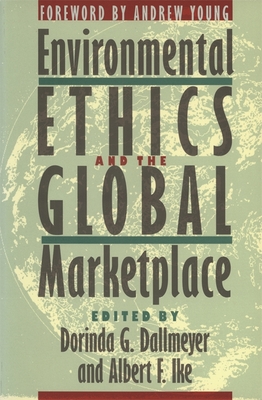
Environmental Ethics and the Global Marketplace
KSh 16,000.00
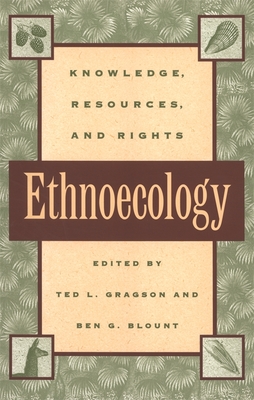
Ethnoecology
KSh 5,900.00

From Swamp to Wetland
KSh 6,300.00

Why Money Is Killing Us ...
KSh 2,050.00
More by Edward B. Barbier
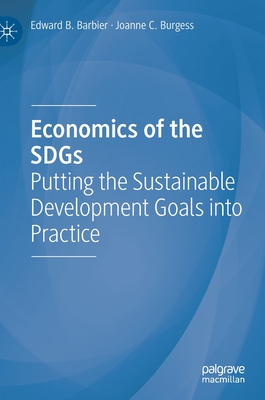
Economics of the SDGs
KSh 18,000.00
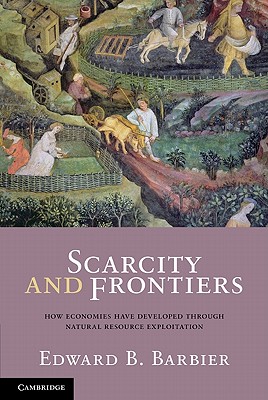
Scarcity and Frontiers
KSh 5,750.00

Economics of the SDGs
KSh 18,000.00

A New Blueprint for a Green Economy
KSh 7,900.00
Paradise Lost?
KSh 24,250.00

After the Green Revolution
KSh 30,950.00

Elephants, Economics and Ivory
KSh 30,950.00
Elephants, Economics and Ivory
KSh 9,200.00
A Global Green New Deal
KSh 10,900.00
Blueprint 6
KSh 7,900.00

A New Blueprint for a Green Economy
KSh 30,950.00
Scarcity and Frontiers
KSh 14,400.00