

Captain Paul Cuffe, Yeoman : A Biography
Book Details
Format
Paperback / softback
Book Series
Black New England
ISBN-10
1625348126
ISBN-13
9781625348128
Publisher
University of Massachusetts Press
Imprint
University of Massachusetts Press
Country of Manufacture
GB
Country of Publication
GB
Publication Date
Nov 15th, 2024
Print length
240 Pages
KSh 4,300.00
Temporarily out of stock, due soon
0 in stock
Delivery Location
Delivery fee: Select location
Secure
Quality
Fast
Drawing on pamphlets, letters, and other documents, and painstakingly reconstructing his genealogy, Jeffrey A. Fortin vividly describes Paul Cuffe’s experiences and places them within the broader history of the Early Republic to help reveal the central role of African Americans in the founding of the United States.
Paul Cuffe is best understood as a member of the Black founding fathers—a group of pre-eminent African Americans who built institutions and movements during the first decades of the United States. While he is known amongst scholars, his astounding life story deserves a much wider audience. Jeffrey A. Fortin has crafted a beautiful, moving portrait of this important maritime figure that will appeal to anyone interested in early American history and who loves great story telling.
Born on Cuttyhunk Island, Massachusetts in 1759 to a formerly enslaved African father and a Wampanoag Indian mother, Cuffe emerged from anonymity to become the most celebrated African-American sea captain during the Age of Sail. An abolitionist, veteran, and community activist, celebrity followed Cuffe as he built a shipping empire that traded both in American coastal waters and across the wider Atlantic Ocean. Cuffe and his Black crews shook the foundations of systemic racism, challenging norms by sailing into Charleston and other ports where slavery was legal, and thus demonstrating that business and profits were more powerful than social limitations. He founded America’s first racially integrated school in Westport, Massachusetts, and is considered the leader of the nation’s first back-to-Africa movement. Newspapers in England, the United States, and the Caribbean reported his whereabouts and adventures, and abolitionists hailed him for his Quaker beliefs, sobriety, and commitment to advancing opportunities for persons of African descent.
Drawing on pamphlets, letters, and other documents, and painstakingly reconstructing his genealogy, Fortin vividly describes Cuffe’s experiences and places them within the broader history of the Early Republic to help reveal the central role of African Americans in the founding of the United States. Unlike previous biographies, Fortin situates Cuffe within an Atlantic world where race and identity were fluid, and Africans and African Americans sought to build and govern a free Black nation in West Africa.
Born on Cuttyhunk Island, Massachusetts in 1759 to a formerly enslaved African father and a Wampanoag Indian mother, Cuffe emerged from anonymity to become the most celebrated African-American sea captain during the Age of Sail. An abolitionist, veteran, and community activist, celebrity followed Cuffe as he built a shipping empire that traded both in American coastal waters and across the wider Atlantic Ocean. Cuffe and his Black crews shook the foundations of systemic racism, challenging norms by sailing into Charleston and other ports where slavery was legal, and thus demonstrating that business and profits were more powerful than social limitations. He founded America’s first racially integrated school in Westport, Massachusetts, and is considered the leader of the nation’s first back-to-Africa movement. Newspapers in England, the United States, and the Caribbean reported his whereabouts and adventures, and abolitionists hailed him for his Quaker beliefs, sobriety, and commitment to advancing opportunities for persons of African descent.
Drawing on pamphlets, letters, and other documents, and painstakingly reconstructing his genealogy, Fortin vividly describes Cuffe’s experiences and places them within the broader history of the Early Republic to help reveal the central role of African Americans in the founding of the United States. Unlike previous biographies, Fortin situates Cuffe within an Atlantic world where race and identity were fluid, and Africans and African Americans sought to build and govern a free Black nation in West Africa.
Get Captain Paul Cuffe, Yeoman by Jeffrey A. Fortin at the best price and quality guaranteed only at Werezi Africa's largest book ecommerce store. The book was published by University of Massachusetts Press and it has 240 pages.
Customers Who Bought This Also Bought
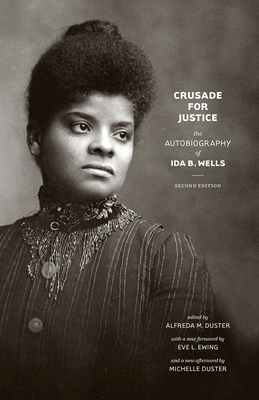
Crusade for Justice – The Autobiography of Ida B. Wells, Second Edition
KSh 4,050.00

Killers of the Flower Moon
KSh 2,000.00
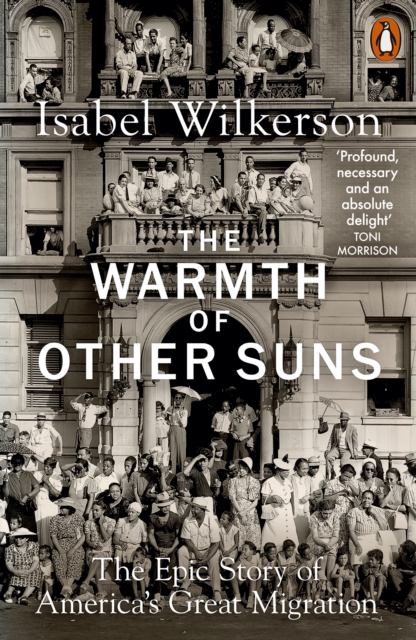
Warmth of Other Suns
KSh 3,050.00
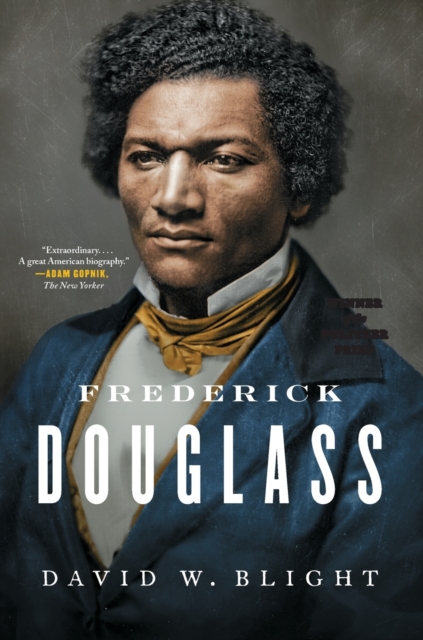
Frederick Douglass
KSh 3,350.00

107 Days
KSh 4,500.00

Second Treatise of Government – Norton Library
KSh 1,600.00

Tuesdays With Morrie
KSh 2,000.00
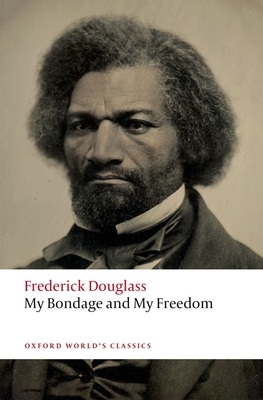
My Bondage and My Freedom
KSh 1,600.00

Hidden Figures
KSh 2,000.00
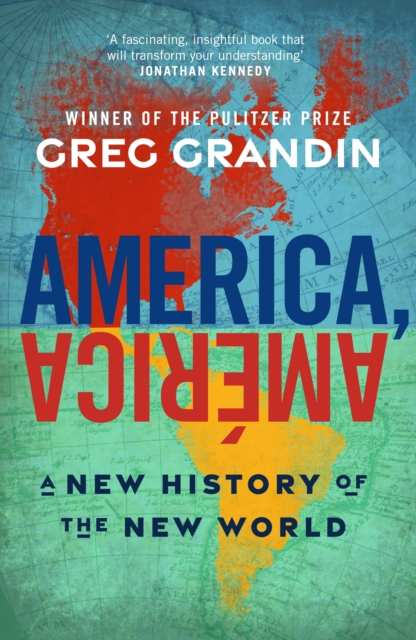
America, América
KSh 3,650.00
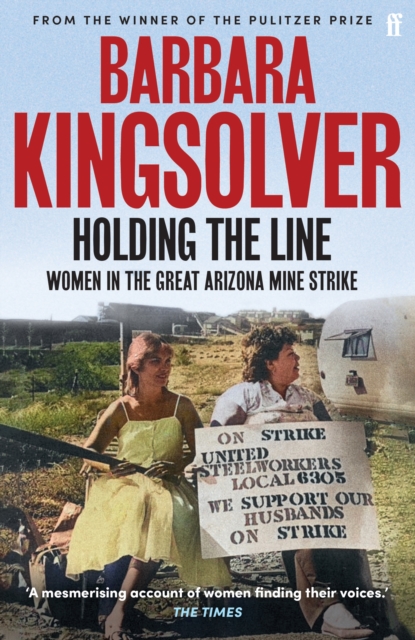
Holding the Line
KSh 2,000.00

Nuclear Folly
KSh 3,050.00
