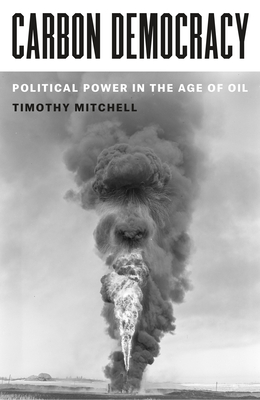
Carbon Democracy : Political Power in the Age of Oil
Book Details
Format
Paperback / softback
ISBN-10
1804292494
ISBN-13
9781804292495
Publisher
Verso Books
Imprint
Verso Books
Country of Manufacture
GB
Country of Publication
GB
Publication Date
Oct 3rd, 2023
Print length
304 Pages
Weight
282 grams
Dimensions
21.00 x 14.00 x 2.00 cms
Product Classification:
Central / national / federal government policiesCentral government policiesEnergy resources
KSh 2,350.00
Werezi Extended Catalogue
Delivery in 12 days
8 copies in stock
Delivery Location
Delivery fee: Select location
Delivery in 12 days
Secure
Quality
Fast
In this magisterial study, Timothy Mitchell rethinks the history of energy, bringing into his grasp environmental politics, the struggle for democracy, and the place of the Middle East in the modern world.
Oil is a curse, it is often said, that condemns the countries producing it to an existence defined by war, corruption and enormous inequality. Carbon Democracy tells a more complex story, arguing that no nation escapes the political consequences of our collective dependence on oil. It shapes the body politic both in regions such as the Middle East, which rely upon revenues from oil production, and in the places that have the greatest demand for energy.
Timothy Mitchell begins with the history of coal power to tell a radical new story about the rise of democracy. Coal was a source of energy so open to disruption that oligarchies in the West became vulnerable for the first time to mass demands for democracy. In the mid-twentieth century, however, the development of cheap and abundant energy from oil, most notably from the Middle East, offered a means to reduce this vulnerability to democratic pressures. The abundance of oil made it possible for the first time in history to reorganize political life around the management of something now called “the economy” and the promise of its infinite growth. The politics of the West became dependent on an undemocratic Middle East.
In the twenty-first century, the oil-based forms of modern democratic politics have become unsustainable. Foreign intervention and military rule are faltering in the Middle East, while governments everywhere appear incapable of addressing the crises that threaten to end the age of carbon democracy—the disappearance of cheap energy and the carbon-fuelled collapse of the ecological order.
In making the production of energy the central force shaping the democratic age, Carbon Democracy rethinks the history of energy, the politics of nature, the theory of democracy, and the place of the Middle East in our common world.
Timothy Mitchell begins with the history of coal power to tell a radical new story about the rise of democracy. Coal was a source of energy so open to disruption that oligarchies in the West became vulnerable for the first time to mass demands for democracy. In the mid-twentieth century, however, the development of cheap and abundant energy from oil, most notably from the Middle East, offered a means to reduce this vulnerability to democratic pressures. The abundance of oil made it possible for the first time in history to reorganize political life around the management of something now called “the economy” and the promise of its infinite growth. The politics of the West became dependent on an undemocratic Middle East.
In the twenty-first century, the oil-based forms of modern democratic politics have become unsustainable. Foreign intervention and military rule are faltering in the Middle East, while governments everywhere appear incapable of addressing the crises that threaten to end the age of carbon democracy—the disappearance of cheap energy and the carbon-fuelled collapse of the ecological order.
In making the production of energy the central force shaping the democratic age, Carbon Democracy rethinks the history of energy, the politics of nature, the theory of democracy, and the place of the Middle East in our common world.
Get Carbon Democracy by Timothy Mitchell at the best price and quality guaranteed only at Werezi Africa's largest book ecommerce store. The book was published by Verso Books and it has 304 pages.
Customers Who Bought This Also Bought
Regime Change
KSh 5,050.00

Rise Fall Great Powers
KSh 3,050.00
Wealth, Poverty and Politics
KSh 6,300.00
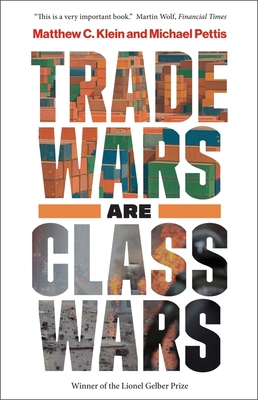
Trade Wars Are Class Wars – How Rising Inequality Distorts the Global Economy and Threatens International Peace
KSh 2,600.00
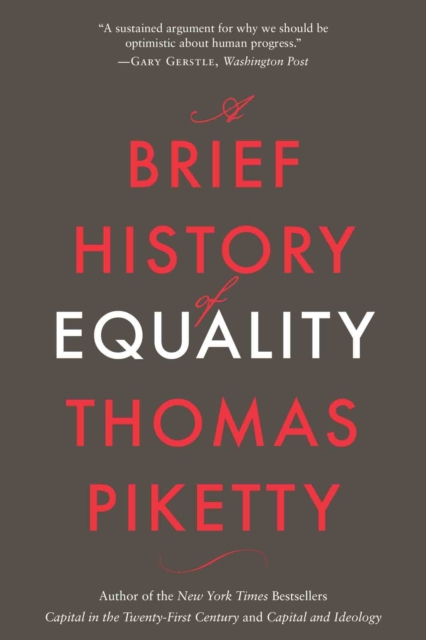
A Brief History of Equality
KSh 2,850.00

Our Malady
KSh 2,000.00
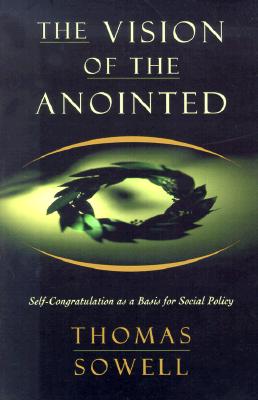
The Vision of the Anointed
KSh 3,250.00

Seeing Like a State – How Certain Schemes to Improve the Human Condition Have Failed
KSh 3,550.00
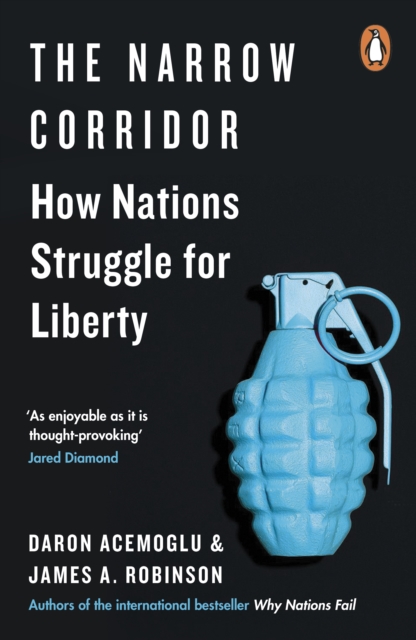
Narrow Corridor
KSh 2,350.00
Chokepoint Capitalism
KSh 2,000.00
Abundance
KSh 3,400.00
Nudge
KSh 5,000.00