
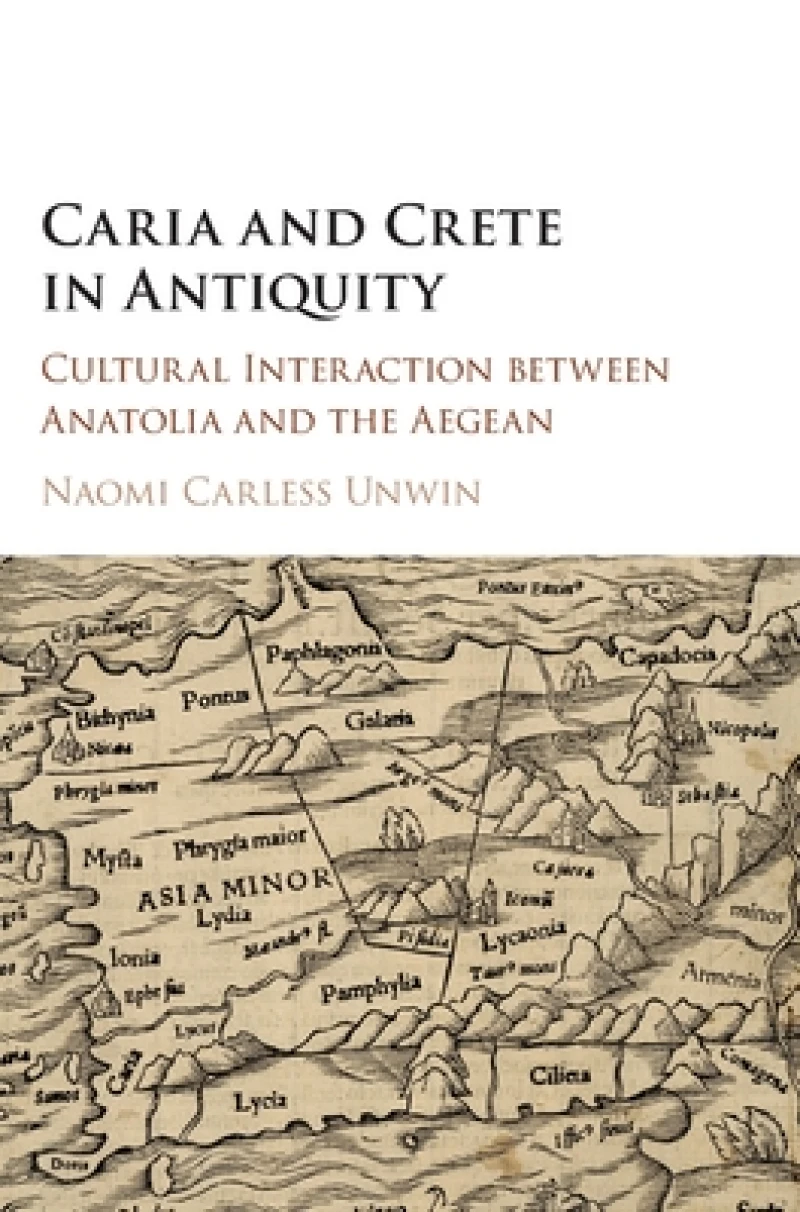
Caria and Crete in Antiquity : Cultural Interaction between Anatolia and the Aegean
Book Details
Format
Hardback or Cased Book
ISBN-10
1107194172
ISBN-13
9781107194175
Publisher
Cambridge University Press
Imprint
Cambridge University Press
Country of Manufacture
US
Country of Publication
GB
Publication Date
Jul 13th, 2017
Print length
284 Pages
Weight
730 grams
Dimensions
25.40 x 18.00 x 1.80 cms
Product Classification:
Ancient history: to c 500 CEAncient history
Ksh 16,200.00
Werezi Extended Catalogue
0 in stock
Delivery Location
Delivery fee: Select location
Secure
Quality
Fast
Mythologies shaped identities; this book examines what regional mythologies reveal about the social and cultural orientation of Caria in antiquity. Although the Carians were an Anatolian people, their integration into the mythological framework of the Greek world reveals that interaction with the Aegean was a fundamental aspect of their history.
A persistent tradition existed in antiquity linking Caria with the island of Crete. This central theme of regional history is mirrored in the civic mythologies, cults and toponyms of southwestern Anatolia. This book explains why by approaching this diverse body of material with a broad chronological view, taking into account both the origins of this regional narrative and its endurance. It considers the mythologies in the light of archaeologically attested contacts during the Bronze Age, exploring whether such interaction could have left a residuum in later traditions. The continued relevance of this aspect of Carian history is then considered in the light of contacts during the Classical and Hellenistic periods, with analysis of how, and in which contexts, traditions survived. The Carians were an Anatolian people; however, their integration into the mythological framework of the Greek world reveals that interaction with the Aegean was a fundamental aspect of their history.
Get Caria and Crete in Antiquity by at the best price and quality guaranteed only at Werezi Africa's largest book ecommerce store. The book was published by Cambridge University Press and it has pages.

