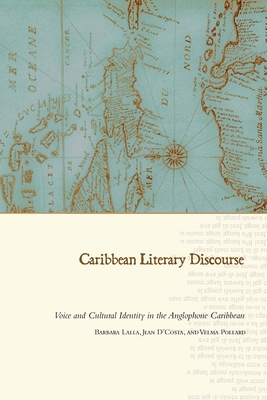
Caribbean Literary Discourse : Voice and Cultural Identity in the Anglophone Caribbean
Book Details
Format
Hardback
ISBN-10
0817318070
ISBN-13
9780817318079
Publisher
The University of Alabama Press
Imprint
The University of Alabama Press
Country of Manufacture
US
Country of Publication
GB
Publication Date
Feb 15th, 2014
Print length
296 Pages
Weight
622 grams
Dimensions
23.10 x 15.70 x 3.30 cms
KSh 7,550.00
Temporarily out of stock, due soon
0 in stock
Delivery Location
Delivery fee: Select location
Secure
Quality
Fast
This is a study of the multicultural, multilingual, and Creolised languages that characterise Caribbean discourse, especially as reflected in the language choices that preoccupy creative writers. Caribbean Literary Discourse opens the challenging world of language choices and literary experiments characteristic of the multicultural and multilingual Caribbean.
Caribbean Literary Discourse is a study of the multicultural, multilingual, and Creolised languages that characterise Caribbean discourse, especially as reflected in the language choices that preoccupy creative writers.Caribbean Literary Discourse opens the challenging world of language choices and literary experiments characteristic of the multicultural and multilingual Caribbean. In these societies, the language of the master— English in Jamaica and Barbados—overlies the Creole languages of the majority. As literary critics and as creative writers, Barbara Lalla, Jean D’Costa, and Velma Pollard engage historical, linguistic, and literary perspectives to investigate the literature bred by this complex history. They trace the rise of local languages and literatures within the English speaking Caribbean, especially as reflected in the language choices of creative writers.The study engages two problems: first, the historical reality that standard metropolitan English established by British colonialists dominates official economic, cultural, and political affairs in these former colonies, contesting the development of vernacular, Creole, and pidgin dialects even among the region’s indigenous population; and second, the fact that literary discourse developed under such conditions has received scant attention.Caribbean Literary Discourse explores the language choices that preoccupy creative writers in whose work vernacular discourse displays its multiplicity of origins, its elusive boundaries, and its most vexing issues. The authors address the degree to which language choice highlights political loyalties and tensions; the politics of identity, self-representation, and nationalism; the implications of code-switching—the ability to alternate deliberately between different languages, accents, or dialects—for identity in postcolonial society; the rich rhetorical and literary effects enabled by code-switching and the difficulties of acknowledging or teaching those ranges in traditional education systems; the longstanding interplay between oral and scribal culture; and the predominance of intertextuality in postcolonial and diasporic literature.
Get Caribbean Literary Discourse by Barbara Lalla, Jean D'Costa at the best price and quality guaranteed only at Werezi Africa's largest book ecommerce store. The book was published by The University of Alabama Press and it has 296 pages.
Customers Who Bought This Also Bought

On Great Writing (On the Sublime)
KSh 2,000.00

Look Again: Empire
KSh 1,800.00
The Art of Rhetoric
KSh 2,000.00
The Role of the Reader
KSh 3,400.00

Six Walks in the Fictional Woods
KSh 4,850.00
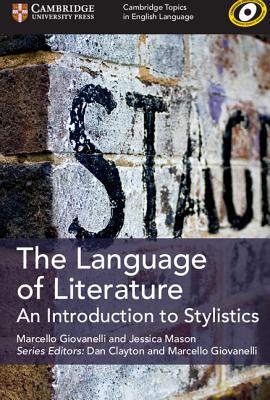
The Language of Literature
KSh 3,450.00
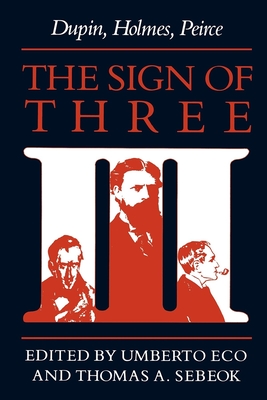
The Sign of Three
KSh 3,250.00
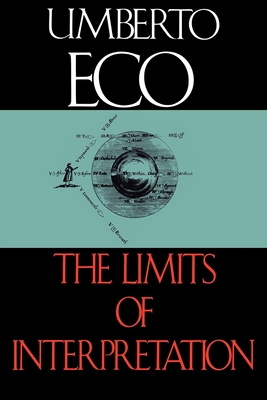
The Limits of Interpretation
KSh 12,200.00

Die philippischen Reden
KSh 22,250.00
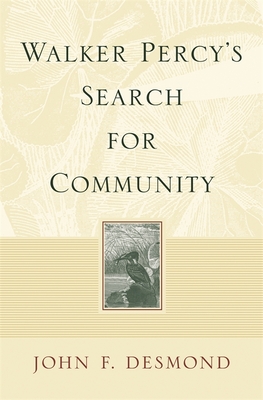
Walker Percy''s Search for Community
KSh 5,950.00
Voice of Deliverance
KSh 6,450.00

Community and Critique
KSh 10,800.00