

Cash on the Table : Markets, Values and Moral Economies
Book Details
Format
Paperback / softback
ISBN-10
1938645006
ISBN-13
9781938645006
Publisher
SAR Press
Imprint
SAR Press
Country of Manufacture
GB
Country of Publication
GB
Publication Date
Feb 28th, 2014
Print length
275 Pages
Weight
516 grams
Dimensions
22.30 x 16.00 x 2.20 cms
KSh 5,250.00
Publisher Out of Stock
0 in stock
Delivery Location
Delivery fee: Select location
Secure
Quality
Fast
Moral values inform economic behaviour. On its face, this proposition is unassailable. Think of the often spiritual appeal of consumer goods or the value-laden stakes of upward or downward mobility. Think about the central role that moral questions regarding poverty, access to health care, the tax code, property and land rights, and corruption play in the shaping of modern governments, societies, and social movements. Think of fair trade coffee and organic produce as well as the thrift expressed in Walmart''s everyday low prices. The moral aspects of the marketplace have never been so contentious or consequential. However, the realm of economics is often treated as a world unto itself, a domain where human behaviour is guided not by emotions, beliefs, moralities, or the passions that fascinate anthropologists but by the hard calculus of rational choices.
Anthropologists have historically tended to focus on the corrosive effects of markets on traditional lifeways and the ways in which global markets disadvantage marginalised peoples. Economists often have difficulty allowing that markets are embedded in particular social and political power structures and that ""free"" market transactions are often less free than we might think. If anthropologists could view markets a bit more ecumenically and if economists could view them a bit more politically, then great value - cash on the table - could be found in bringing these perspectives together. A great deal is at stake in understanding the moral dimensions of economic behaviour and markets. Public debates over executive compensation, the fair trade movement, and recent academic inquiries into the limitations of rational-choice paradigms all point to the relevance of moral values in our economic decision-making processes.
Anthropologists have historically tended to focus on the corrosive effects of markets on traditional lifeways and the ways in which global markets disadvantage marginalised peoples. Economists often have difficulty allowing that markets are embedded in particular social and political power structures and that ""free"" market transactions are often less free than we might think. If anthropologists could view markets a bit more ecumenically and if economists could view them a bit more politically, then great value - cash on the table - could be found in bringing these perspectives together. A great deal is at stake in understanding the moral dimensions of economic behaviour and markets. Public debates over executive compensation, the fair trade movement, and recent academic inquiries into the limitations of rational-choice paradigms all point to the relevance of moral values in our economic decision-making processes.
Get Cash on the Table by Edward F. Fischer at the best price and quality guaranteed only at Werezi Africa's largest book ecommerce store. The book was published by SAR Press and it has 275 pages.
Customers Who Bought This Also Bought
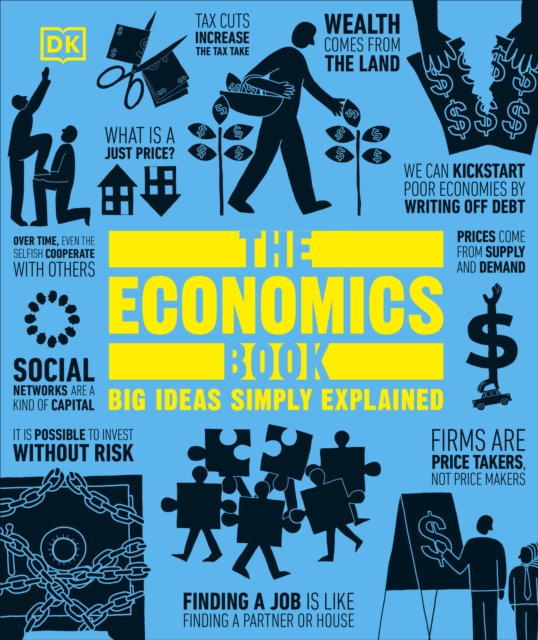
Economics Book
KSh 4,250.00
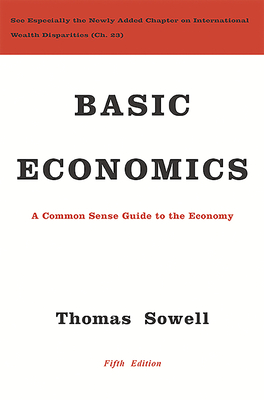
Basic Economics
KSh 6,850.00

The Essential Keynes
KSh 2,350.00

General Theory of Employment, Interest and Money
KSh 1,400.00

The Wealth of Nations – The Economics Classic – A Selected Edition for the Contemporary Reader
KSh 2,350.00

Wealth of Nations
KSh 1,800.00

Equality
KSh 2,150.00

The Wealth of Nations
KSh 2,350.00

What Happened to Liberal Democracy?
KSh 3,050.00

Good Economics for Hard Times
KSh 2,350.00

Naked Economics – Undressing the Dismal Science
KSh 2,550.00

Discrimination and Disparities
KSh 5,400.00
