

Challenging Malaria : The Private and Social Incentives of Mosquito Control
2023 ed.
Book Details
Format
Paperback / softback
ISBN-10
3031395123
ISBN-13
9783031395123
Edition
2023 ed.
Publisher
Springer International Publishing AG
Imprint
Palgrave Macmillan
Country of Manufacture
GB
Country of Publication
GB
Publication Date
Sep 29th, 2024
Print length
240 Pages
Product Classification:
Political economyEpidemiology & medical statisticsEpidemiology and Medical statistics
KSh 19,800.00
Temporarily out of stock, due soon
0 in stock
Delivery Location
Delivery fee: Select location
Secure
Quality
Fast
This book explores Howard’s logic, the economics of collective action, and the history, epidemiology, and public health of malaria to analyze the conditions under which peopleprivately resolve collective action problems associated with mosquito abatement and malaria prevention.
Five years after Ronald Ross discovered the link between malaria and mosquitos, American entomologist Leland Howard wrote of the "mosquito evil" that occurs when "everybody's business is nobody's business." Howard’s insight was largely ignored, but it captures what social scientists now refer to as the problem of collective action. When this problem persists in the context of malaria, individuals under-provide prevention and suffer from a higher prevalence of malaria. Imagine a group of people trying to drain a pond where mosquitoes breed. Everyone in the group faces an incentive to free ride, which can hinder their drainage efforts. Thus, when people fail to resolve issues related to collective action, they submit to the "mosquito evil" and, potentially, to malaria. This book explores Howard’s logic, the economics of collective action, and the history, epidemiology, and public health of malaria to analyze the conditions under which peopleprivately resolve collective action problems associated with mosquito abatement and malaria prevention. Generally, people are more likely to resolve these problems when the benefits of abatement and prevention outweigh the costs. This logic is developed into a framework and applied to historical and modern-day issues related to malaria, including the lack or abundance of private prevention in the United States and in developing areas; malaria’s resurgence in countries like China, Venezuela, and Bangladesh; and the difficulties of large-scale insecticide-treated bed net campaigns. Given this framework, we should develop a greater appreciation for entrepreneurial responses, civil society, market processes, and private forms of collective action.
Get Challenging Malaria by Byron B. Carson III at the best price and quality guaranteed only at Werezi Africa's largest book ecommerce store. The book was published by Springer International Publishing AG and it has 240 pages.
Customers Who Bought This Also Bought
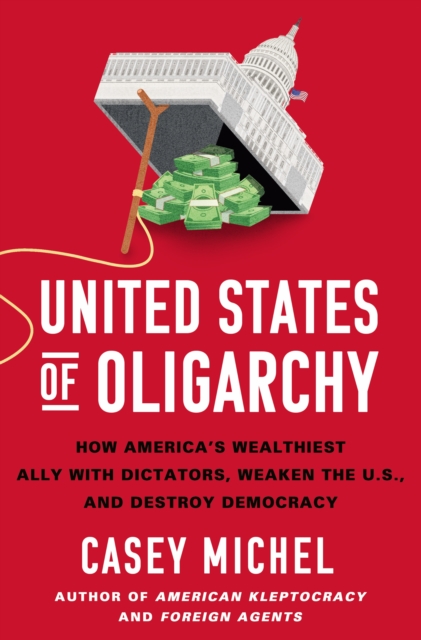
United States of Oligarchy
KSh 5,050.00

Good Economics for Hard Times
KSh 2,350.00

Winner Take All
KSh 2,350.00

Holding the Line
KSh 2,000.00

Wealth, Poverty and Politics
KSh 6,300.00

The Billionaire Raj
KSh 1,800.00
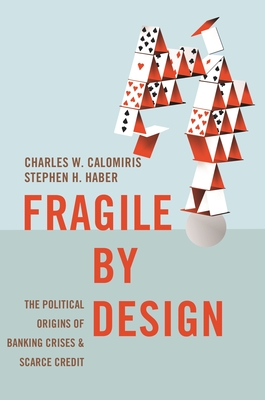
Fragile by Design – The Political Origins of Banking Crises and Scarce Credit
KSh 4,500.00

Mission Economy
KSh 2,350.00

Adam Smith
KSh 2,350.00
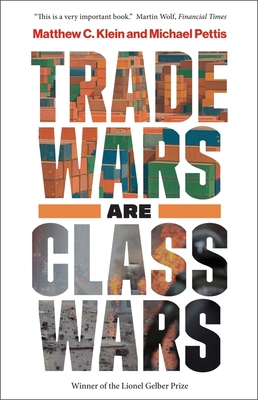
Trade Wars Are Class Wars – How Rising Inequality Distorts the Global Economy and Threatens International Peace
KSh 2,600.00
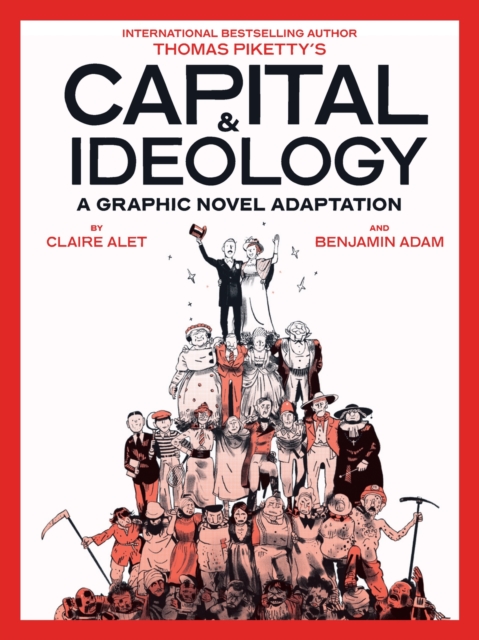
Capital & Ideology
KSh 3,050.00
A Brief History of Equality
KSh 2,850.00

