
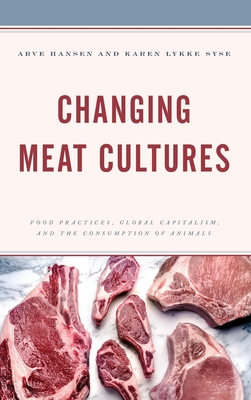
Changing Meat Cultures : Food Practices, Global Capitalism, and the Consumption of Animals
Book Details
Format
Hardback
ISBN-10
1538142651
ISBN-13
9781538142653
Publisher
Bloomsbury Publishing Plc
Imprint
Rowman & Littlefield
Country of Manufacture
GB
Country of Publication
GB
Publication Date
Dec 6th, 2021
Print length
224 Pages
Weight
517 grams
Dimensions
23.70 x 16.20 x 2.20 cms
KSh 19,350.00
Currently unavailable
0 in stock
Delivery Location
Delivery fee: Select location
Secure
Quality
Fast
Industrialization has made the meat supply chain quick, global and to all intents, invisible. But, as this searching collection points out, meat is a hugely contested foodstuff – for reasons of sustainability, health, animal welfare, ethics and climate change.
This collection explains changing meat cultures through studies of both everyday food practices and the political economy of industrialized animal husbandry. We do this through case studies from ''affluent'' and ''developing'' countries. These contributions will shed light on global food connections and show how global, industrialized food and fodder systems have changed the way we relate to animals, their meat, and what kind of animals’ meat we eat. In the past few years, controversies around meat have arisen around industrialization and globalization of meat production, often pivoting around health, environmental problems, and animal welfare issues. Although meat increasingly figures as a problem, most consumers’ knowledge of animal husbandry and meat is more absent than ever. How is meat produced today, and where? How do we consume meat, and how have our consumption habits changed? Why have these changes occurred, and what are the social and cultural consequences of these changes? This book takes the reader on a geographic, ethnographic and historical journey to rural and urban areas and arenas across the world, and tells a series of stories of the dramatic changes in meat consumption.
Get Changing Meat Cultures by Arve Hansen at the best price and quality guaranteed only at Werezi Africa's largest book ecommerce store. The book was published by Bloomsbury Publishing Plc and it has 224 pages.
Customers Who Bought This Also Bought
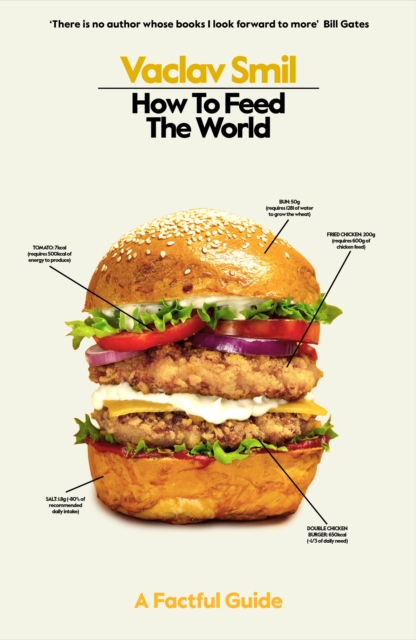
How to Feed the World
KSh 3,950.00

Africa Is Not A Country
KSh 2,350.00
A Bite-Sized History of Italy
KSh 3,600.00

We Are Eating the Earth
KSh 3,600.00

Diet Myth
KSh 2,000.00

Cheffe
KSh 2,000.00
Omnivore''s Dilemma
KSh 2,700.00
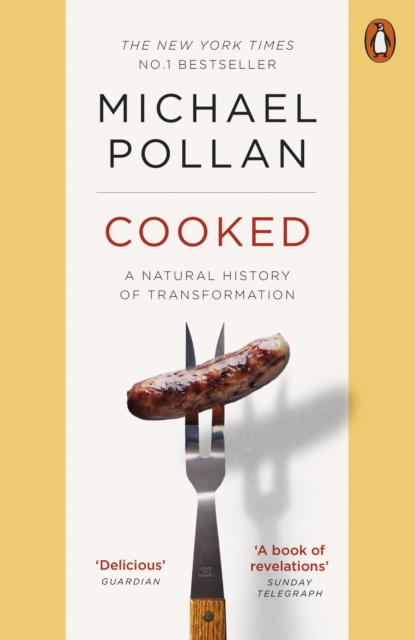
Cooked
KSh 2,000.00

This Is Your Mind On Plants
KSh 2,350.00
Luke – That You May Know the Truth (2 Volumes in 1)
KSh 7,900.00
Food Rules
KSh 1,450.00

The Forager''s Calendar
KSh 2,900.00
