
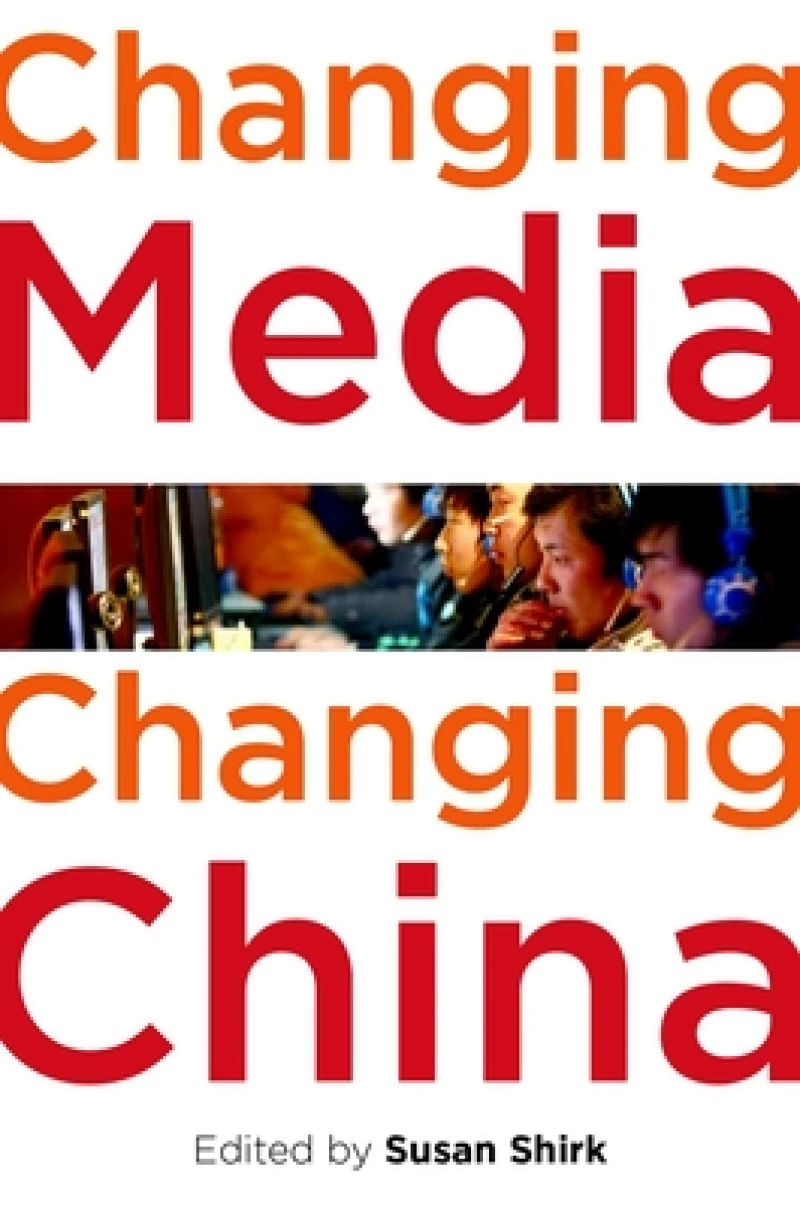
Changing Media, Changing China
Book Details
Format
Hardback or Cased Book
ISBN-10
0199751986
ISBN-13
9780199751983
Publisher
Oxford University Press Inc
Imprint
Oxford University Press Inc
Country of Manufacture
US
Country of Publication
GB
Publication Date
Feb 10th, 2011
Print length
288 Pages
Weight
522 grams
Dimensions
16.30 x 23.90 x 2.30 cms
Product Classification:
Media studiesMarxism & CommunismFreedom of information & freedom of speech
Ksh 12,850.00
Manufactured on Demand
0 in stock
Delivery Location
Delivery fee: Select location
Secure
Quality
Fast
Edited by Susan Shirk, one of America''s leading experts on contemporary China, this collection of essays brings together a who''s who of experts--Chinese and American--writing about all aspects of the changing media landscape in China. In detailed case studies, the authors describe how the media is reshaping itself from a propaganda mouthpiece into an agent of watchdog journalism, how politicians are reacting to increased scrutiny from the media, and how television, newspapers, magazines, and Web-based news sites navigate the cross-currents between the open marketplace and the CCP censors. China has over 360 million Internet users, more than any other country, and an astounding 162 million bloggers. The growth of Internet access has dramatically increased the information available, the variety and timeliness of the news, and its national and international reach. But China is still far from having a free press. As of 2008, the international NGO Freedom House ranked China 181 worst out of 195 countries in terms of press restrictions, and Chinese journalists have been aptly described as "dancing in shackles." The recent controversy over China''s censorship of Google highlights the CCP''s deep ambivalence toward information freedom.
Thirty years ago, the Chinese Communist Party (CCP) made a fateful decision: to allow newspapers, magazines, television, and radio stations to compete in the marketplace instead of being financed exclusively by the government. The political and social implications of that decision are still unfolding as the Chinese government, media, and public adapt to the new information environment.Edited by Susan Shirk, one of America''s leading experts on contemporary China, this collection of essays brings together a who''s who of experts--Chinese and American--writing about all aspects of the changing media landscape in China. In detailed case studies, the authors describe how the media is reshaping itself from a propaganda mouthpiece into an agent of watchdog journalism, how politicians are reacting to increased scrutiny from the media, and how television, newspapers, magazines, and Web-based news sites navigate the cross-currents between the open marketplace and the CCP censors. China has over 360 million Internet users, more than any other country, and an astounding 162 million bloggers. The growth of Internet access has dramatically increased the information available, the variety and timeliness of the news, and its national and international reach. But China is still far from having a free press. As of 2008, the international NGO Freedom House ranked China 181 worst out of 195 countries in terms of press restrictions, and Chinese journalists have been aptly described as "dancing in shackles." The recent controversy over China''s censorship of Google highlights the CCP''s deep ambivalence toward information freedom. Covering everything from the rise of business media and online public opinion polling to environmental journalism and the effect of media on foreign policy, Changing Media, Changing China reveals how the most populous nation on the planet is reacting to demands for real news.
Get Changing Media, Changing China by at the best price and quality guaranteed only at Werezi Africa's largest book ecommerce store. The book was published by Oxford University Press Inc and it has pages.

