

Changing Polish Identities : Post-War and Post-Accession Polish Migrants in Manchester
New
Book Details
Format
Paperback / softback
Book Series
Nationalisms Across the Globe
ISBN-10
3034307403
ISBN-13
9783034307406
Edition
New
Publisher
Peter Lang AG, Internationaler Verlag der Wissenschaften
Imprint
Peter Lang AG, Internationaler Verlag der Wissensc
Country of Manufacture
CH
Country of Publication
GB
Publication Date
Nov 7th, 2012
Print length
196 Pages
Weight
306 grams
Dimensions
15.20 x 22.60 x 1.60 cms
KSh 9,950.00
Currently unavailable
0 in stock
Delivery Location
Delivery fee: Select location
Secure
Quality
Fast
This book discusses the way globalization transforms national identity, through detailed analysis of two very different groups of Polish migrants in Manchester: those who settled there after the Second World War and those who arrived after Poland joined the European Union in 2004.
This book discusses how globalization transforms national identity, comparing the assertion that globalization disembeds national culture with contrasting claims that identities remain primarily anchored in national space. It examines the impact of mobility on identity and explores the role of virtual worlds in preserving national culture.
The investigation is based around a case study looking at two very different groups of Polish migrants in Manchester: those who settled in the city after the Second World War and those who arrived after Poland joined the European Union in 2004. A comparison of the two groups reveals a fascinating transformation in the process of identity formation, which has led to the clearly defined modern identity of the post-war migrants being replaced by a postmodern, multidimensional sense of self in the post-accession migrants.
The investigation is based around a case study looking at two very different groups of Polish migrants in Manchester: those who settled in the city after the Second World War and those who arrived after Poland joined the European Union in 2004. A comparison of the two groups reveals a fascinating transformation in the process of identity formation, which has led to the clearly defined modern identity of the post-war migrants being replaced by a postmodern, multidimensional sense of self in the post-accession migrants.
Get Changing Polish Identities by Agniezka Bielewska-Mensah at the best price and quality guaranteed only at Werezi Africa's largest book ecommerce store. The book was published by Peter Lang AG, Internationaler Verlag der Wissenschaften and it has 196 pages.
Customers Who Bought This Also Bought
Risky Behavior among Youths – An Economic Analysis
KSh 18,000.00
Causes and Consequences of Human Migration
KSh 18,200.00

Reproductive Rights and Wrongs
KSh 3,950.00
Global City Futures
KSh 22,600.00
Company Towns in the Americas
KSh 5,400.00
Social Reproduction and the City
KSh 22,600.00
Shadows of a Sunbelt City – The Environment, Racism, and the Knowledge Economy in Austin
KSh 15,050.00

Nuked
KSh 26,700.00
From Roots to Roses – The Autobiography of Tilda Kemplen
KSh 4,600.00

North Mississippi Homeplace
KSh 10,450.00
Almost Dead
KSh 5,450.00
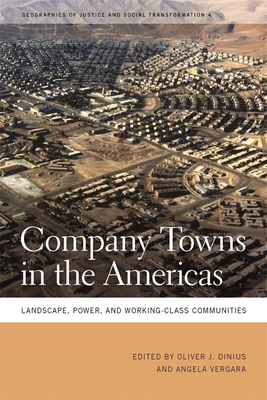
Company Towns in the Americas
KSh 14,800.00
