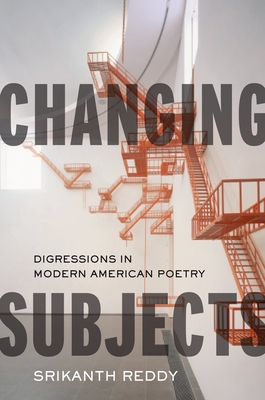
Changing Subjects : Digressions in Modern American Poetry
Book Details
Format
Hardback
ISBN-10
0199791023
ISBN-13
9780199791026
Publisher
Oxford University Press Inc
Imprint
Oxford University Press Inc
Country of Manufacture
US
Country of Publication
GB
Publication Date
Jul 26th, 2012
Print length
208 Pages
Weight
408 grams
Dimensions
24.10 x 16.50 x 1.90 cms
Product Classification:
Literary studies: from c 1900 -Literary studies: poetry & poetsHistory of the Americas
KSh 10,450.00
Currently unavailable
0 in stock
Delivery Location
Delivery fee: Select location
Secure
Quality
Fast
Changing Subjects contends that major American poets-such as Walt Whitman, Wallace Stevens, John Ashbery, and Lyn Hejinian-transformed verse and even changed conceptions of modern subjectivity by exploiting an ordinary rhetorical device, ubiquitous in spoken language: the digression.
Digression is widely considered a mark of disordered or evasive discourse. Modern legal, philosophical, and political writing largely disavows this trope, regarding it as a departure from the model of rational exposition institutionalized under the Enlightenment. And yet, as the rhetorical figure of digression has grown increasingly marginalized within the decorum of public discourse, it has come to occupy a central position in the private discursive world of poetry. Changing Subjects outlines an anatomy of ''the excursus'' within twentieth-century American poetics; moving from aesthetics to the archive to narratology to theories of identity, this study considers the various spheres in which American writers of the period revise prior models of purposeful discourse by cultivating a poetics of digression in the modern poem. The opening section considers the manner in which Wallace Stevens employs digression within the ars poetica genre to deconstruct aesthetic theory under High Modernism; the second chapter examines Marianne Moore''s use of the excursus to organize archival knowledge in the Progressive poetry of instruction; the third section turns to Lyn Hejinian''s construction of a digressive narratology intended to unsettle master-narratives of the Cold War era; the fourth chapter treats digression as a strategy for fashioning the self in the poetry of Walt Whitman and Frank O''Hara; and the book concludes with a survey of "Elliptical" strategies employed by a new generation of poets, writing in the wake of John Ashbery''s aleatory craft, who seek to extend the digressive project of American poetry into the 21st Century.
Get Changing Subjects by Srikanth Reddy at the best price and quality guaranteed only at Werezi Africa's largest book ecommerce store. The book was published by Oxford University Press Inc and it has 208 pages.
Customers Who Bought This Also Bought

Dreams in a Time of War
KSh 3,050.00
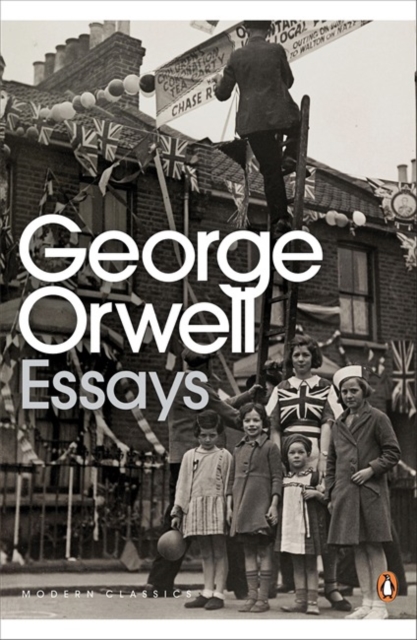
Modern Classics Penguin Essays of George Orwell
KSh 2,700.00
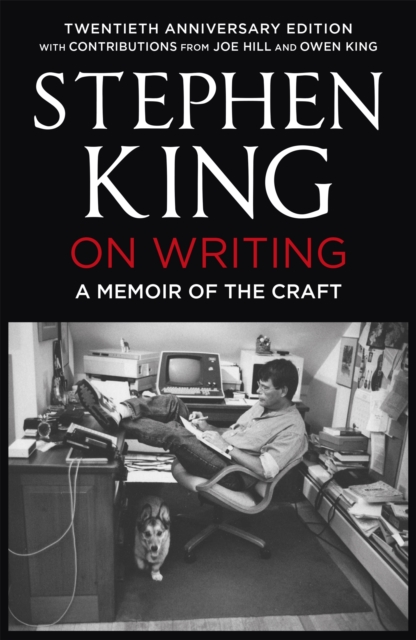
On Writing
KSh 2,000.00

To the Lighthouse
KSh 1,450.00
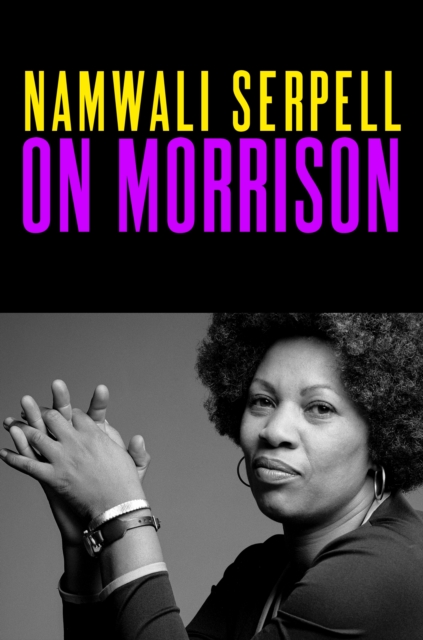
On Morrison
KSh 4,500.00

Africa''s Tarnished Name
KSh 700.00
C. S. Lewis
KSh 1,800.00

Life in Letters
KSh 5,400.00

By Grand Central Station I
KSh 1,800.00

Wide Sargasso Sea
KSh 1,800.00

Mom and Me and Mom
KSh 2,000.00
Jorge Luis Borges
KSh 1,800.00