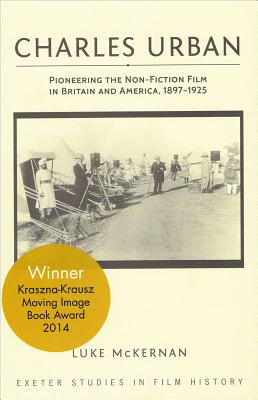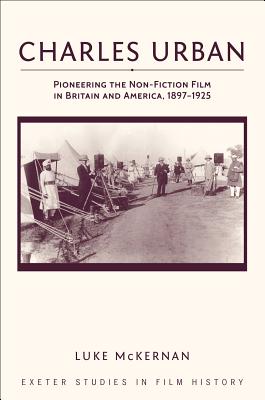
Charles Urban : Pioneering the Non-Fiction Film in Britain and America, 1897 - 1925
Book Details
Format
Hardback
Book Series
Exeter Studies in Film History
ISBN-10
0859898822
ISBN-13
9780859898829
Publisher
University of Exeter
Imprint
University of Exeter
Country of Manufacture
GB
Country of Publication
GB
Publication Date
Aug 1st, 2013
Print length
256 Pages
Weight
552 grams
Dimensions
24.10 x 16.30 x 2.40 cms
KSh 13,500.00
Currently unavailable
0 in stock
Delivery Location
Delivery fee: Select location
Secure
Quality
Fast
Based on original research from Charles Urban’s own papers, this is the first biography of this influential film maker and innovator. A historical study of the development of the non-fiction film in Britain and America in the early years of cinema. Winner of the Kraszna-Krausz Moving Image Book Award 2014. 24 b&w illus. First time in paperback.
Charles Urban was a renowned figure in his time, and he has remained a name in film history chiefly for his development of Kinemacolor, the world’s first successful natural colour moving picture system. He was also a pioneer in the filming of war, science, travel, actuality and news, a fervent advocate of the value of film as an educative force, and a controversial but important innovator of film propaganda in wartime. The book uses Urban’s story as a means of showing how the non-fiction film developed in the period 1897-1925, and the dilemmas that it faced within a cinema culture in which the entertainment fiction film was dominant. Urban’s solutions – some successful, some less so – illustrate the groundwork that led to the development of documentary film. The book considers the roles of film as informer, educator and generator of propaganda, and the social and aesthetic function of colour in the years when cinema was still working out what it was capable of and how best to reach audiences. Luke McKernan also curates a web resource on Charles Urban at www.charlesurban.com
Get Charles Urban by Luke McKernan at the best price and quality guaranteed only at Werezi Africa's largest book ecommerce store. The book was published by University of Exeter and it has 256 pages.
Customers Who Bought This Also Bought

Oromay
KSh 2,350.00

Director
KSh 3,950.00

Oromay
KSh 3,600.00

Fassbinder Thousands of Mirrors
KSh 2,350.00

Anytime
KSh 2,000.00

I Feel Bad About My Neck
KSh 2,000.00

I Feel Bad About My Neck
KSh 2,700.00

Most of Nora Ephron
KSh 2,000.00
Dark Matter
KSh 3,600.00

Greta Gerwig’s Barbie
KSh 4,700.00

Infamous Players
KSh 3,850.00

The Crying Game
KSh 2,350.00