
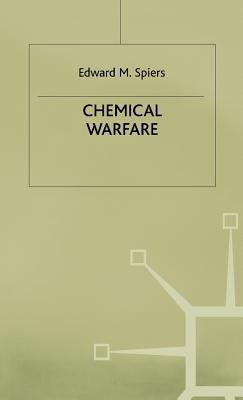
Chemical Warfare
Book Details
Format
Hardback
ISBN-10
0333346599
ISBN-13
9780333346594
Publisher
Palgrave Macmillan
Imprint
Palgrave Macmillan
Country of Manufacture
GB
Country of Publication
GB
Publication Date
Feb 12th, 1986
Print length
277 Pages
Product Classification:
Warfare & defenceWarfare and defence
KSh 23,400.00
Currently unavailable
0 in stock
Delivery Location
Delivery fee: Select location
Secure
Quality
Fast
Ever since its employment in the First World War, chemical warfare has always aroused controversy. However, despite the signing of the Geneva Protocol in 1925 which banned the use of poison gas, chemical weapons have been used in subsequent conflicts and most recently in the Gulf War between Iraq and Iran.
Ever since its employment in the First World War, chemical warfare has always aroused controversy. Governments have responded by pursuing the policies of disarmament and deterrence in the hope of avoiding its recurrence. However, despite the signing of the Geneva Protocol in 1925 which banned the use of poison gas, chemical weapons have been used in subsequent conflicts and most recently in the Gulf War between Iraq and Iran. In this work the policies of disarmament and deterrence will be reassessed within a broad historical and strategic context. It will be argued that poison gas could still be used in a modern European conflict; that the Soviet forces are the best equipped to operate in a contaminated environment; and that weaknesses persist in NATO's anti-chemical defences and in her deterrent. It will be emphasised, too, that the Geneva disarmament talks, which have made some progress in recent years, still face formidable difficulties over the issues of verification and compliance. Above all, it will be claimed that the onset of nuclear parity between the superpowers has eroded the credibility of a deterrent to chemical attack based upon the threat of nuclear release. Accordingly, this book will contend that the United States should modernize her stockpile of chemical weapons to bolster the Western deterrent and to provide more leverage for the negotiations in Geneva.
Get Chemical Warfare by Edward M. Spiers at the best price and quality guaranteed only at Werezi Africa's largest book ecommerce store. The book was published by Palgrave Macmillan and it has 277 pages.
Customers Who Bought This Also Bought

Art of War / The Book of Lord Shang
KSh 1,100.00
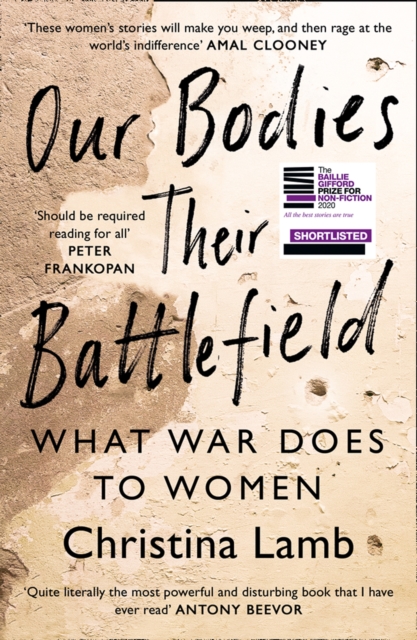
Our Bodies Their Battlefiel
KSh 2,350.00
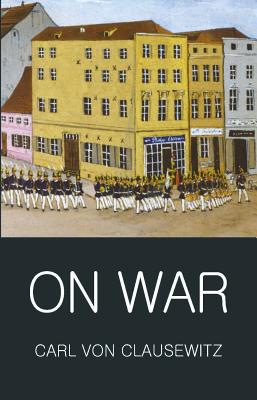
On War
KSh 1,200.00

On War
KSh 4,500.00
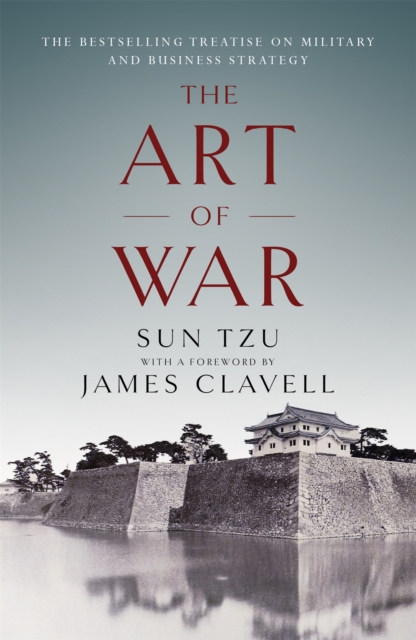
Art of War
KSh 2,350.00
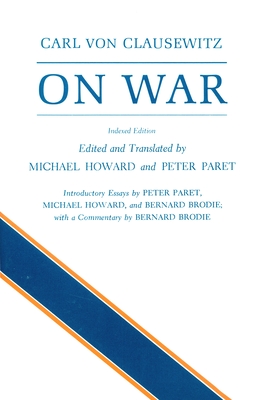
On War
KSh 7,550.00

War
KSh 2,350.00

War
KSh 4,500.00
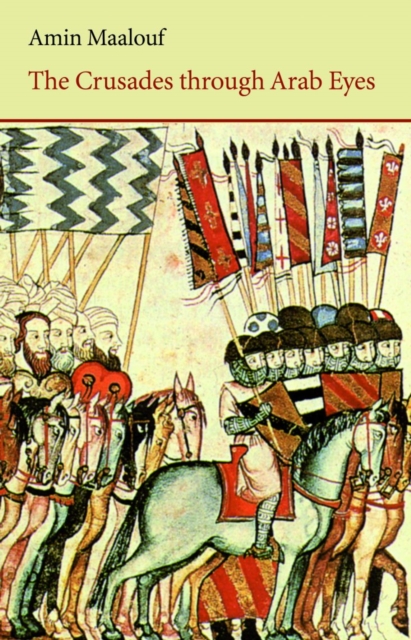
Crusades Through Arab Eyes
KSh 3,050.00

His Dark Materials: Northern Lights Classic Art Edition
KSh 2,700.00
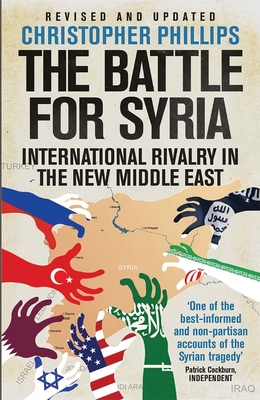
The Battle for Syria – International Rivalry in the New Middle East
KSh 3,000.00

His Dark Materials: The Subtle Knife Classic Art Edition
KSh 2,700.00
More by Edward M. Spiers

The Scottish Soldier and Empire, 1854-1902
KSh 16,200.00
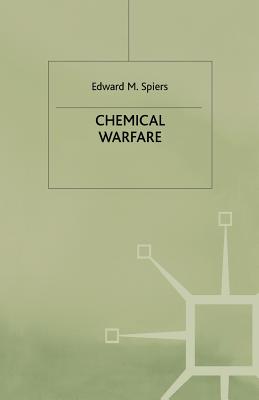
Chemical Warfare
KSh 23,400.00

The Scottish Soldier and Empire, 1854-1902
KSh 4,500.00
Chemical Weaponry
KSh 16,200.00
Chemical Weaponry
KSh 16,200.00
Agents of War – A History of Chemical and Biological Weapons, Second Expanded Edition
KSh 3,250.00

A History of Chemical and Biological Weapons
KSh 3,600.00
