
Childbirth and the Display of Authority in Early Modern France
Book Details
Format
Hardback or Cased Book
Book Series
Women and Gender in the Early Modern World
ISBN-10
0754636194
ISBN-13
9780754636199
Publisher
Taylor & Francis Ltd
Imprint
Routledge
Country of Manufacture
GB
Country of Publication
GB
Publication Date
Mar 29th, 2005
Print length
272 Pages
Weight
453 grams
Product Classification:
European historyGender studies: womenHistory of medicine
Ksh 7,150.00
Re-Printing
0 in stock
Delivery Location
Delivery fee: Select location
Secure
Quality
Fast
How could men appear to be trustworthy birth assistants at a time when women were associated with a bodily comprehension of childbirth? To answer this question, Lianne McTavish examines a range of sources, focusing on obstetrical treatises and pamphlets published in early modern France, looking in particular at the visual culture of childbirth.
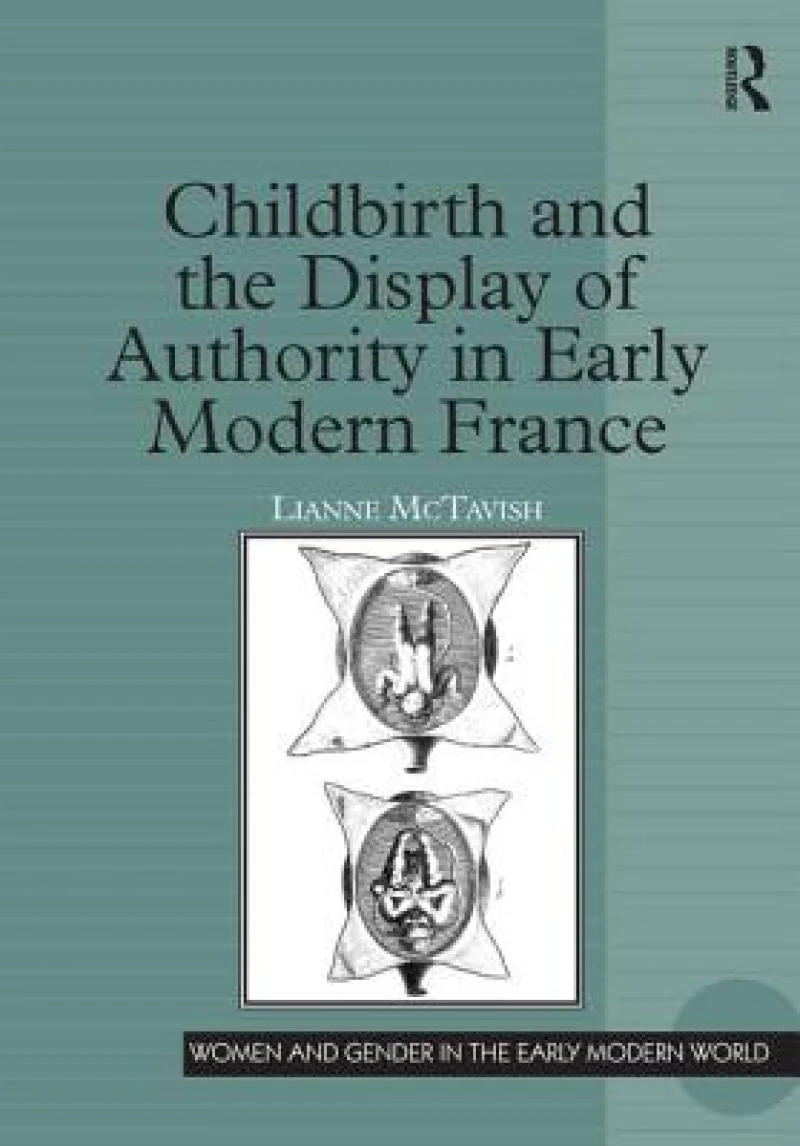
Throughout the early modern period in France, surgeon men-midwives were predominantly associated with sexual impropriety and physical danger; yet over time they managed to change their image, and by the eighteenth century were summoned to attend even the uncomplicated deliveries of wealthy, urban clients. In this study, Lianne McTavish explores how surgeons strove to transform the perception of their midwifery practices, claiming to be experts who embodied obstetrical authority instead of intruders in a traditionally feminine domain. McTavish argues that early modern French obstetrical treatises were sites of display participating in both the production and contestation of authoritative knowledge of childbirth. Though primarily written by surgeon men-midwives, the texts were also produced by female midwives and male physicians. McTavish''s careful examination of these and other sources reveals representations of male and female midwives as unstable and divergent, undermining characterizations of the practice of childbirth in early modern Europe as a gender war which men ultimately won. She discovers that male practitioners did not always disdain maternal values. In fact, the men regularly identified themselves with qualities traditionally respected in female midwives, including a bodily experience of childbirth. Her findings suggest that men''s entry into the lying-in chamber was a complex negotiation involving their adaptation to the demands of women. One of the great strengths of this study is its investigation of the visual culture of childbirth. McTavish emphasizes how authority in the birthing room was made visible to others in facial expressions, gestures, and bodily display. For the first time here, the vivid images in the treatises are analysed, including author portraits and engravings of unborn figures. McTavish reveals how these images contributed to arguments about obstetrical authority instead of merely illustrating the written content of the books. At the same time, her arguments move far beyond the lying-in chamber, shedding light on the exchange of visual information in early modern France, a period when identity was largely determined by the precarious act of putting oneself on display.
Get Childbirth and the Display of Authority in Early Modern France by at the best price and quality guaranteed only at Werezi Africa's largest book ecommerce store. The book was published by Taylor & Francis Ltd and it has pages.

