
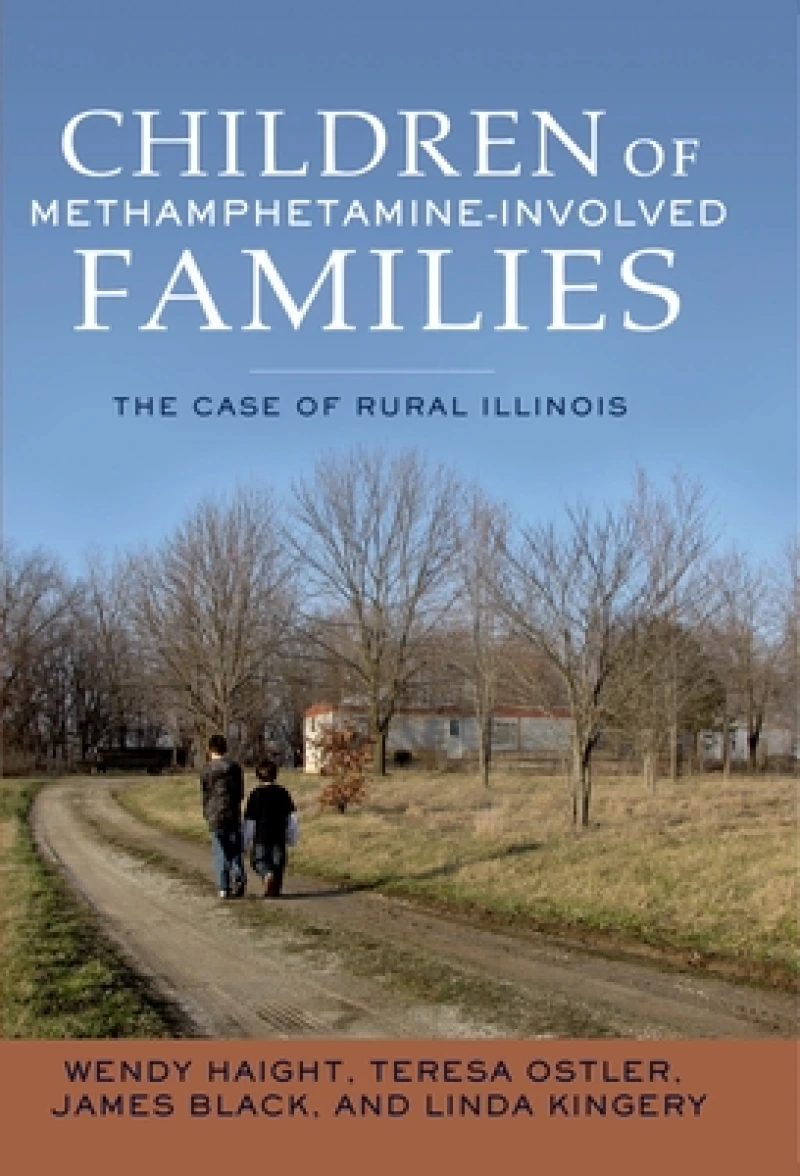
Children of Methamphetamine-Involved Families
Book Details
Format
Hardback or Cased Book
ISBN-10
0195326059
ISBN-13
9780195326055
Publisher
Oxford University Press Inc
Imprint
Oxford University Press Inc
Country of Manufacture
US
Country of Publication
GB
Publication Date
Nov 27th, 2008
Print length
264 Pages
Weight
524 grams
Dimensions
24.40 x 16.60 x 2.10 cms
Ksh 10,200.00
Manufactured on Demand
0 in stock
Delivery Location
Delivery fee: Select location
Secure
Quality
Fast
Methamphetamine destroys not only the lives of those who become addicted to it, but affects all corners of society, including the most innocent: children. This important book follows the case of rural Illinois, where in the mid-1990s methamphetamine production and misuse became a significant problem and, as a result, child welfare professionals saw an influx onto their caseloads of children whose parents were involved with the drug. The authors'' account of the problems the children face, and of the efforts to help them, sheds useful light on possibilities for many other situations. Using a case-based, mixed-methods approach that capitalizes on rich qualitative data, the book examines parental methamphetamine misuse from a sociocultural perspective. Using extensive child welfare investigation data, participant observation, and in-depth interviews, the authors describe the perilous home lives of rural children whose parents misuse methamphetamine, where they are exposed to maltreatment, criminal behavior, and environmental danger. Many children end up with significant emotional and behavioral problems, especially posttraumatic symptoms, that will stay with them for years. Based on this descriptive information and the existing clinical literature, the authors designed a relationship- and narrative-based mental health program, "Life Story Intervention," that draws on the strengths of many rural communities including storytelling traditions. Pilot data from the program, shared here, suggests some positive results of the intervention on children''s psychological functioning. To eradicate the problems caused by methamphetamine abuse will require years more of concerted effort and collaboration such as that described in this book. Social work and child welfare professors and students, researchers, practitioners, and policy-makers will find inspiration in this account of the success that can result, with this issue and others, when practitioners and researchers join forces to understand complex social phenomena and design, implement, and assess effective interventions.
Get Children of Methamphetamine-Involved Families by at the best price and quality guaranteed only at Werezi Africa's largest book ecommerce store. The book was published by Oxford University Press Inc and it has pages.

