
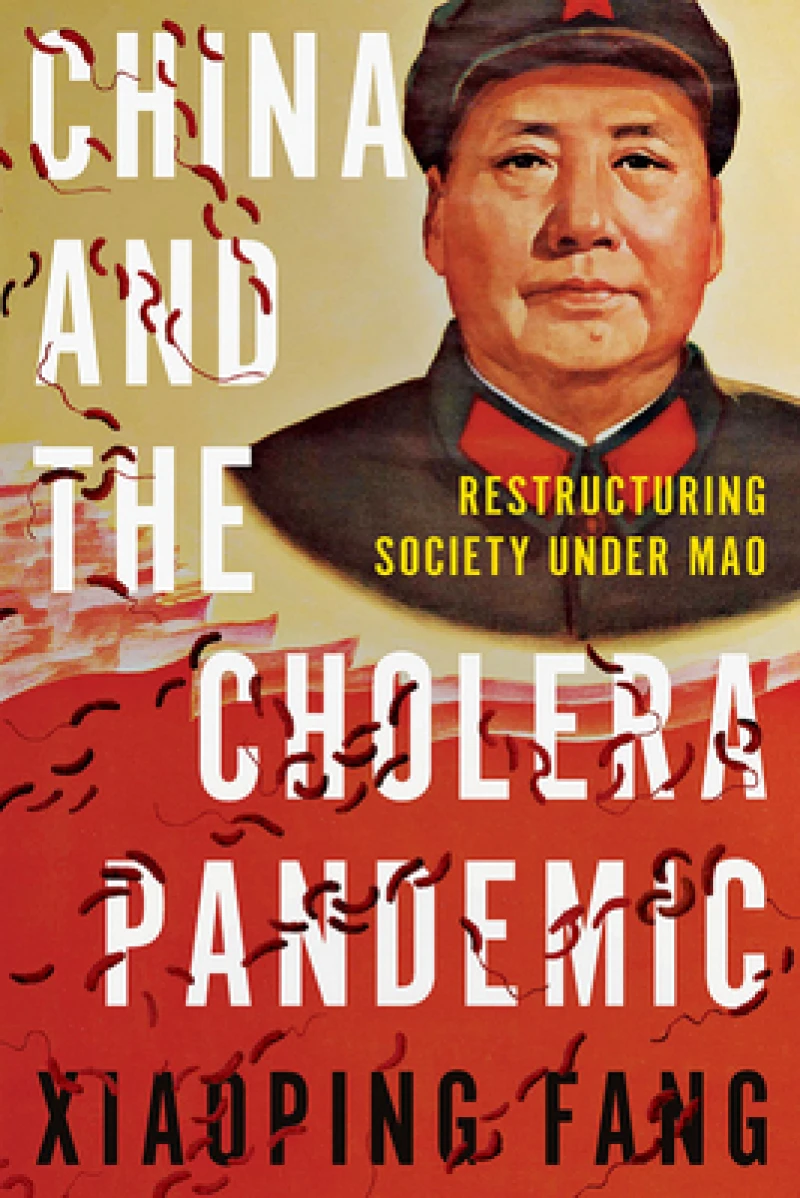
China and the Cholera Pandemic : Restructuring Society under Mao
Book Details
Format
Paperback / Softback
Book Series
Histories and Ecologies of Health
ISBN-10
0822966832
ISBN-13
9780822966838
Publisher
University of Pittsburgh Press
Imprint
University of Pittsburgh Press
Country of Manufacture
GB
Country of Publication
GB
Publication Date
Aug 3rd, 2021
Print length
312 Pages
Weight
498 grams
Dimensions
15.40 x 22.80 x 2.00 cms
Product Classification:
Public health & preventive medicinePublic health and preventive medicine
Ksh 6,550.00
Temporarily out of stock, due soon
0 in stock
Delivery Location
Delivery fee: Select location
Secure
Quality
Fast
Winner, 2022 Outstanding Academic Title, CHOICE Awards
Mao Zedong?s Great Leap Forward campaign organized millions of Chinese peasants into communes in a misguided attempt to rapidly collectivize agriculture with disastrous effects. Catastrophic famine lingered as the global cholera pandemic of the early 1960s spread rampantly through the infected waters of southeastern coastal China. Confronted with a political crisis and the seventh global cholera pandemic in recorded history, the communist government committed to social restructuring in order to affirm its legitimacy and prevent transmission of the disease. Focusing on the Wenzhou Prefecture in Zhejiang Province, the area most seriously stricken by cholera at the time, Xiaoping Fang demonstrates how China?s pandemic was far more than a health incident; it became a significant social and political influence during a dramatic transition for the People?s Republic.
China and the Cholera Pandemic reveals how disease control and prevention, executed through the government?s large-scale, clandestine anticholera campaign, were integral components of its restructuring initiatives, aimed at restoring social order. The subsequent rise of an emergency disciplinary health state furthered these aims through quarantine and isolation, which profoundly impacted the social epidemiology of the region, dividing Chinese society and reinforcing hierarchies according to place, gender, and socioeconomic status.
Mao Zedong?s Great Leap Forward campaign organized millions of Chinese peasants into communes in a misguided attempt to rapidly collectivize agriculture with disastrous effects. Catastrophic famine lingered as the global cholera pandemic of the early 1960s spread rampantly through the infected waters of southeastern coastal China. Confronted with a political crisis and the seventh global cholera pandemic in recorded history, the communist government committed to social restructuring in order to affirm its legitimacy and prevent transmission of the disease. Focusing on the Wenzhou Prefecture in Zhejiang Province, the area most seriously stricken by cholera at the time, Xiaoping Fang demonstrates how China?s pandemic was far more than a health incident; it became a significant social and political influence during a dramatic transition for the People?s Republic.
China and the Cholera Pandemic reveals how disease control and prevention, executed through the government?s large-scale, clandestine anticholera campaign, were integral components of its restructuring initiatives, aimed at restoring social order. The subsequent rise of an emergency disciplinary health state furthered these aims through quarantine and isolation, which profoundly impacted the social epidemiology of the region, dividing Chinese society and reinforcing hierarchies according to place, gender, and socioeconomic status.
Get China and the Cholera Pandemic by at the best price and quality guaranteed only at Werezi Africa's largest book ecommerce store. The book was published by University of Pittsburgh Press and it has pages.

