
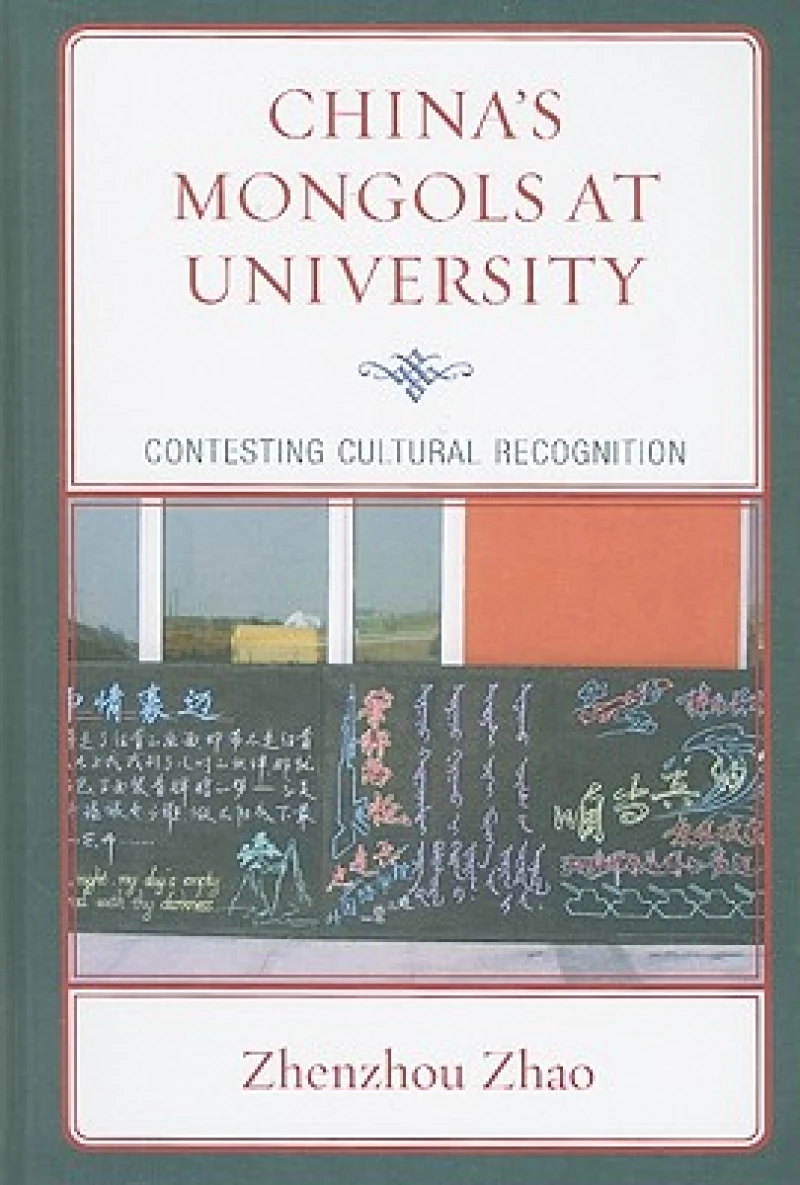
China's Mongols at University : Contesting Cultural Recognition
Book Details
Format
Hardback or Cased Book
Book Series
Emerging Perspectives on Education in China
ISBN-10
073913468X
ISBN-13
9780739134689
Publisher
Bloomsbury Publishing Plc
Imprint
Lexington Books
Country of Manufacture
GB
Country of Publication
GB
Publication Date
Apr 9th, 2010
Print length
300 Pages
Weight
567 grams
Dimensions
24.10 x 16.30 x 2.70 cms
Product Classification:
Multicultural educationStudents & student organisationsUniversities
Ksh 21,300.00
Manufactured on Demand
0 in stock
Delivery Location
Delivery fee: Select location
Secure
Quality
Fast
Minority students in China often receive preferential treatment for access to universities. However, very little is known about minority student experiences and perceptions on campus after they are accorded what's called "meaningful access" to university. The Mongols emerged as a distinct ethnic group in China starting in the 11th century and, in the centuries that followed, conquered a large part of the world. However, in modern times this nomadic people's influence has declined, and even their survival in China has been threatened. This decline is evidenced by the fact that increasing numbers of Mongols have abandoned their native language and traditional customs, especially those who live in cities. How do Mongol university students, who form the backbone of the Mongol intellectual community, identify themselves in a modern Chinese context? How do they react as university students to the way in which their culture is recognized and represented? Do Mongol students suffer from injustice in the cultural dimension of campus life? China's Mongols at University: Contesting Cultural Recognition seeks to answer these questions. Zhenzhou Zhao addresses these issues by comparing the university discourse (on minority culture policy, institutional structure and daily life) and the Mongol student discourse (concerning their experiences, perceptions of recognition, and dedication to self-representation on campus) Additionally, Gao compares three universities in China. Located in Inner Mongolia Autonomous Region, Beijing, and Hubei Province, respectively, each of these universities represents one of three types of higher education accessible to minority students in China: universities located in ethnic areas, standard universities, and universities for nationalities. China's Mongols at University explores and discusses an intrinsic connection between marketization and globalization and the disadvantages faced by minority groups. This book argues that China must move from a policy of preferential tre
Minority students in China often receive preferential treatment for access to universities. However, very little is known about minority student experiences and perceptions on campus after they are accorded what''s called "meaningful access" to university. The Mongols emerged as a distinct ethnic group in China starting in the 11th century and, in the centuries that followed, conquered a large part of the world. However, in modern times this nomadic people''s influence has declined, and even their survival in China has been threatened. This decline is evidenced by the fact that increasing numbers of Mongols have abandoned their native language and traditional customs, especially those who live in cities. How do Mongol university students, who form the backbone of the Mongol intellectual community, identify themselves in a modern Chinese context? How do they react as university students to the way in which their culture is recognized and represented? Do Mongol students suffer from injustice in the cultural dimension of campus life? China''s Mongols at University: Contesting Cultural Recognition seeks to answer these questions. Zhenzhou Zhao addresses these issues by comparing the university discourse (on minority culture policy, institutional structure and daily life) and the Mongol student discourse (concerning their experiences, perceptions of recognition, and dedication to self-representation on campus) Additionally, Gao compares three universities in China. Located in Inner Mongolia Autonomous Region, Beijing, and Hubei Province, respectively, each of these universities represents one of three types of higher education accessible to minority students in China: universities located in ethnic areas, standard universities, and universities for nationalities. China''s Mongols at University explores and discusses an intrinsic connection between marketization and globalization and the disadvantages faced by minority groups. This book argues that China must move from a policy of preferential tre
Get China's Mongols at University by at the best price and quality guaranteed only at Werezi Africa's largest book ecommerce store. The book was published by Bloomsbury Publishing Plc and it has pages.

