
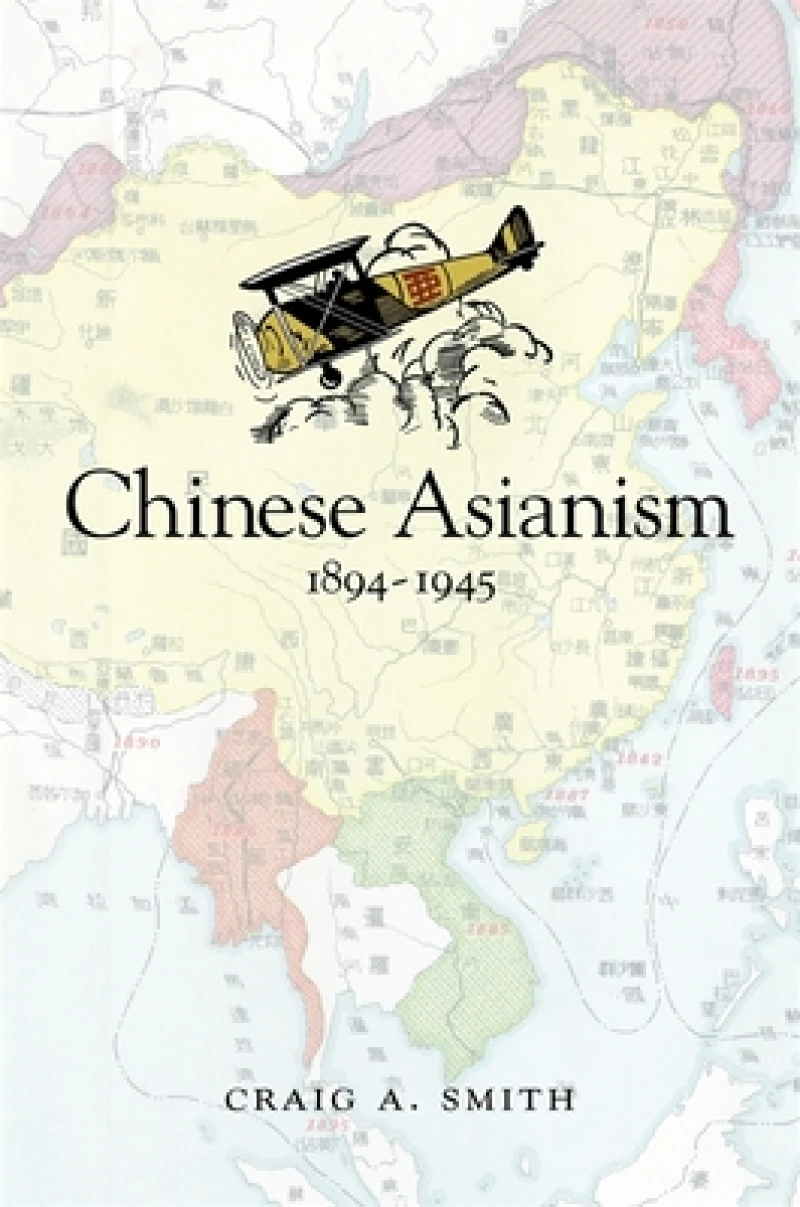
Chinese Asianism, 1894-1945
Book Details
Format
Hardback or Cased Book
ISBN-10
0674260244
ISBN-13
9780674260245
Publisher
Harvard University Press
Imprint
Harvard University Press
Country of Manufacture
US
Country of Publication
GB
Publication Date
Jan 1st, 1900
Print length
312 Pages
Weight
556 grams
Dimensions
15.90 x 23.50 x 2.70 cms
Ksh 8,250.00
Werezi Extended Catalogue
Delivery in 14 days
1 copies in stock
Delivery Location
Delivery fee: Select location
Delivery in 14 days
Secure
Quality
Fast
Chinese Asianism analyzes Chinese views of East Asian solidarity in light of Chinese nationalism and Sino–Japanese relations. Advocates of Asianism packaged Asia for their own agendas, often by translating and interpreting Japanese perspectives. As China now plays a central role in East Asian development, Asianism is once again of great importance.
Chinese Asianism examines Chinese intellectual discussions of East Asian solidarity, analyzing them in connection with Chinese nationalism and Sino–Japanese relations. Beginning with texts written after the first Sino–Japanese War of 1894 and concluding with Wang Jingwei’s failed government in World War II, Craig Smith engages with a period in which the Chinese empire had crumbled and intellectuals were struggling to adapt to imperialism, new and hegemonic forms of government, and radically different epistemes. He considers a wide range of writings that show the depth of the pre-war discourse on Asianism and the influence it had on the rise of nationalism in China.
Asianism was a “call” for Asian unity, Smith finds, but advocates of a united and connected Asia based on racial or civilizational commonalities also utilized the packaging of Asia for their own agendas, to the extent that efforts towards international regionalism spurred the construction of Chinese nationalism. Asianism shaped Chinese ideas of nation and region, often by translating and interpreting Japanese perspectives, and leaving behind a legacy in the concepts and terms that persist in the twenty-first century. As China plays a central role in regional East Asian development, Asianism is once again of great importance today.
Asianism was a “call” for Asian unity, Smith finds, but advocates of a united and connected Asia based on racial or civilizational commonalities also utilized the packaging of Asia for their own agendas, to the extent that efforts towards international regionalism spurred the construction of Chinese nationalism. Asianism shaped Chinese ideas of nation and region, often by translating and interpreting Japanese perspectives, and leaving behind a legacy in the concepts and terms that persist in the twenty-first century. As China plays a central role in regional East Asian development, Asianism is once again of great importance today.
Get Chinese Asianism, 1894-1945 by at the best price and quality guaranteed only at Werezi Africa's largest book ecommerce store. The book was published by Harvard University Press and it has pages.

