
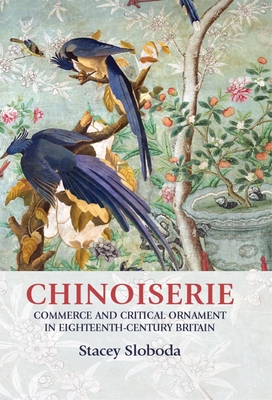
Chinoiserie : Commerce and Critical Ornament in Eighteenth-Century Britain
Book Details
Format
Hardback
Book Series
Studies in Design and Material Culture
ISBN-10
071908945X
ISBN-13
9780719089459
Publisher
Manchester University Press
Imprint
Manchester University Press
Country of Manufacture
GB
Country of Publication
GB
Publication Date
Jul 31st, 2014
Print length
256 Pages
Weight
752 grams
Dimensions
17.80 x 24.10 x 2.00 cms
KSh 18,000.00
Currently unavailable
0 in stock
Delivery Location
Delivery fee: Select location
Secure
Quality
Fast
A critical reassessment of chinoiserie, a style both praised and derided for its triviality, prettiness, and ornamental excesses -- .
In a critical reassessment of chinoiserie, a style both praised and derided for its triviality, prettiness and ornamental excesses, Stacey Sloboda argues that chinoiserie was no mute participant in eighteenth-century global consumer culture, but was instead a critical commentator on that culture. Analysing ceramics, wallpaper, furniture, garden architecture and other significant examples of British and Chinese design, this book takes an object-focused approach to studying the cultural phenomenon of the ''Chinese taste'' in eighteenth-century Britain. It is essential reading for anyone interested in the critical history of design and the decorative arts in the period, and students and scholars of art history, material culture, eighteenth-century studies and British history will find a novel approach to studying the decorative arts and a forceful argument for their critical capacities.
Get Chinoiserie by Stacey Sloboda at the best price and quality guaranteed only at Werezi Africa's largest book ecommerce store. The book was published by Manchester University Press and it has 256 pages.
Customers Who Bought This Also Bought
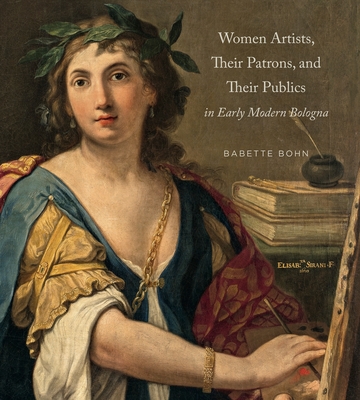
Women Artists, Their Patrons, and Their Publics in Early Modern Bologna
KSh 11,950.00
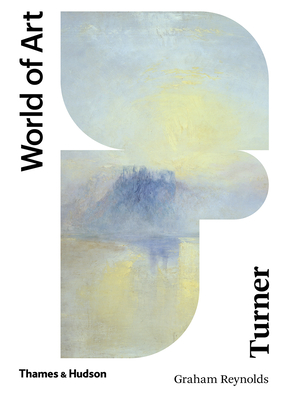
Turner
KSh 2,700.00
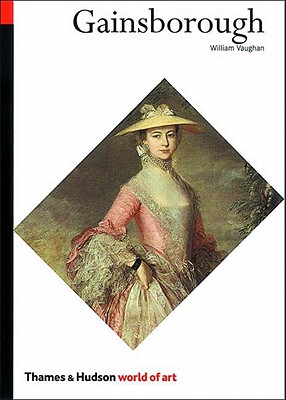
Gainsborough
KSh 2,700.00
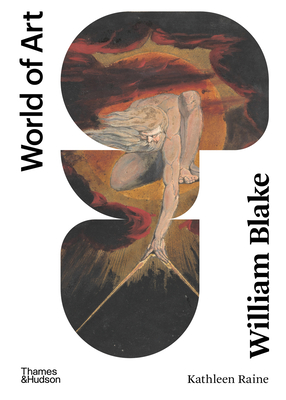
William Blake
KSh 2,700.00

The Part and the Whole in Early American Literature, Print Culture, and Art
KSh 22,300.00
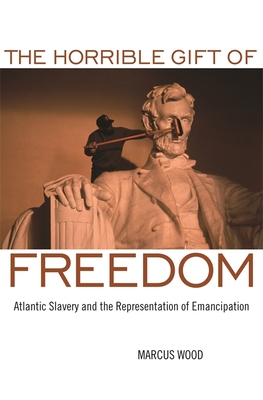
The Horrible Gift of Freedom
KSh 8,950.00

Velazquez
KSh 27,000.00

Collecting Dutch Golden Age Paintings
KSh 6,300.00

The Dutch Italianates
KSh 4,600.00
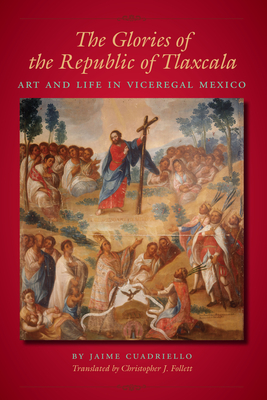
The Glories of the Republic of Tlaxcala
KSh 7,900.00

Cabinets of Curiosities
KSh 3,550.00
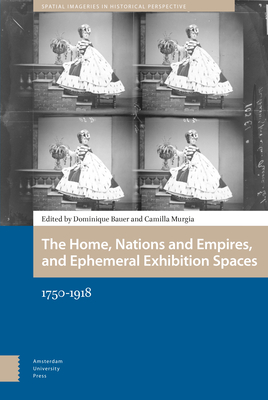
The Home, Nations and Empires, and Ephemeral Exhibition Spaces
KSh 26,300.00


