
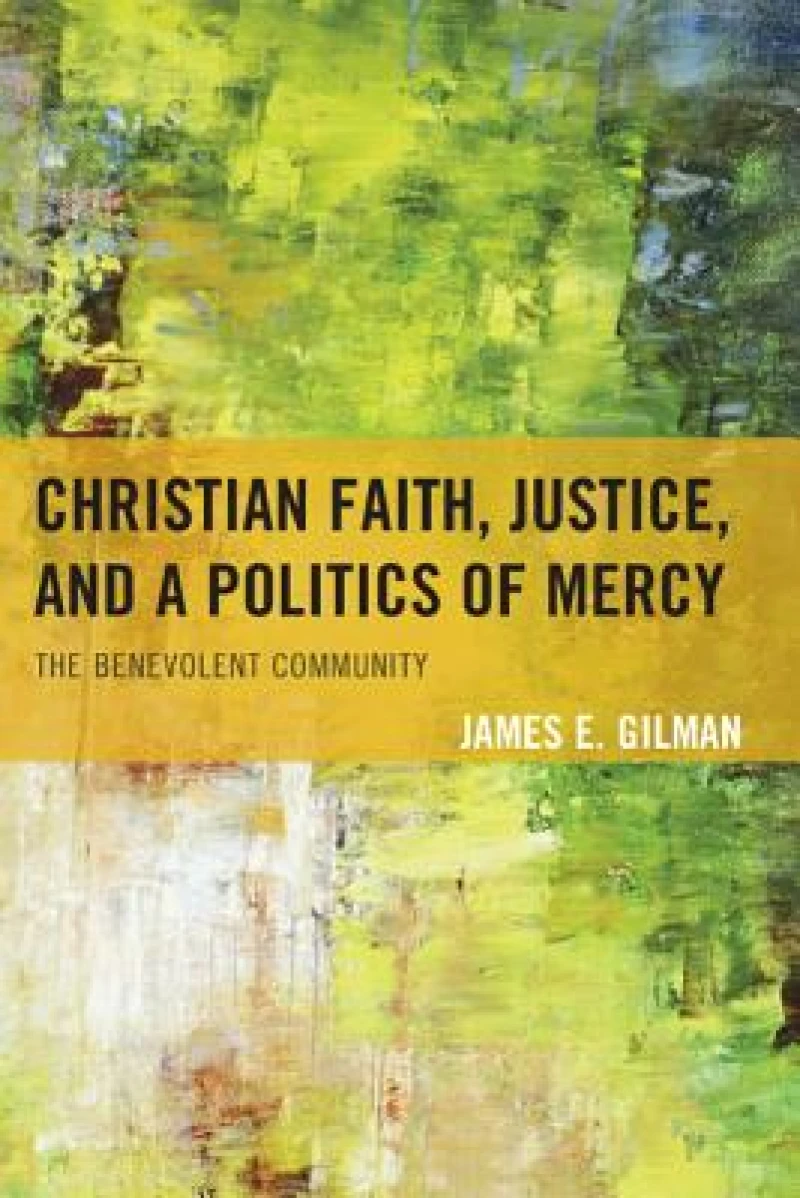
Christian Faith, Justice, and a Politics of Mercy : The Benevolent Community
Book Details
Format
Hardback or Cased Book
ISBN-10
073918685X
ISBN-13
9780739186855
Publisher
Bloomsbury Publishing Plc
Imprint
Lexington Books
Country of Manufacture
GB
Country of Publication
GB
Publication Date
Apr 10th, 2014
Print length
224 Pages
Weight
492 grams
Dimensions
16.00 x 23.50 x 2.30 cms
Product Classification:
Philosophy of religionChristian theologySpirituality & religious experience
Ksh 19,350.00
Manufactured on Demand
0 in stock
Delivery Location
Delivery fee: Select location
Secure
Quality
Fast
Christian Faith, Justice, and a Politics of Mercy: The Benevolent Community assumes that the most profound moral conflict today is between two virtues—justice and mercy. Gilman argues that the two are organically linked through the common experience of compassion. In an unjust world, justice cannot establish itself, but requires, in public as well as private life, projects of merciful benevolence. Mercy alone has the power to subvert patterns of injustice, and mercy and projects of benevolence are tailored to establish and sustain patterns of justice, especially fair economic outcomes. To show this, against Rawl’s Difference Principle, Gilman argues for a Distribution Principle, which states that social and economic inequalities should be addressed by policies that directly and primarily benefit the least advantaged members of society, while at the same time minimizing burdens and/or maximizing benefits for the most advantaged. Along the way he shows how in the United States benevolence as a public virtue was disestablished along with religion; how it might and should be re-established without re-establishing religion; and how the Christian tradition provides resources for evolving morally from a liberal, procedural practice of justice to one that embraces egalitarian, economic justice as well. Finally, he demonstrates how in the global community today, Christianity and other traditions can and should make “benevolent community” a reality.
Christian Faith, Justice, and a Politics of Mercy: The Benevolent Community assumes that the most profound moral conflict today is between two virtues—justice and mercy. Gilman argues that the two are organically linked through the common experience of compassion. In an unjust world, justice cannot establish itself, but requires, in public as well as private life, projects of merciful benevolence. Mercy alone has the power to subvert patterns of injustice, and mercy and projects of benevolence are tailored to establish and sustain patterns of justice, especially fair economic outcomes. To show this, against Rawl’s Difference Principle, Gilman argues for a Distribution Principle, which states that social and economic inequalities should be addressed by policies that directly and primarily benefit the least advantaged members of society, while at the same time minimizing burdens and/or maximizing benefits for the most advantaged. Along the way he shows how in the United States benevolence as a public virtue was disestablished along with religion; how it might and should be re-established without re-establishing religion; and how the Christian tradition provides resources for evolving morally from a liberal, procedural practice of justice to one that embraces egalitarian, economic justice as well. Finally, he demonstrates how in the global community today, Christianity and other traditions can and should make “benevolent community” a reality.
Get Christian Faith, Justice, and a Politics of Mercy by at the best price and quality guaranteed only at Werezi Africa's largest book ecommerce store. The book was published by Bloomsbury Publishing Plc and it has pages.

