
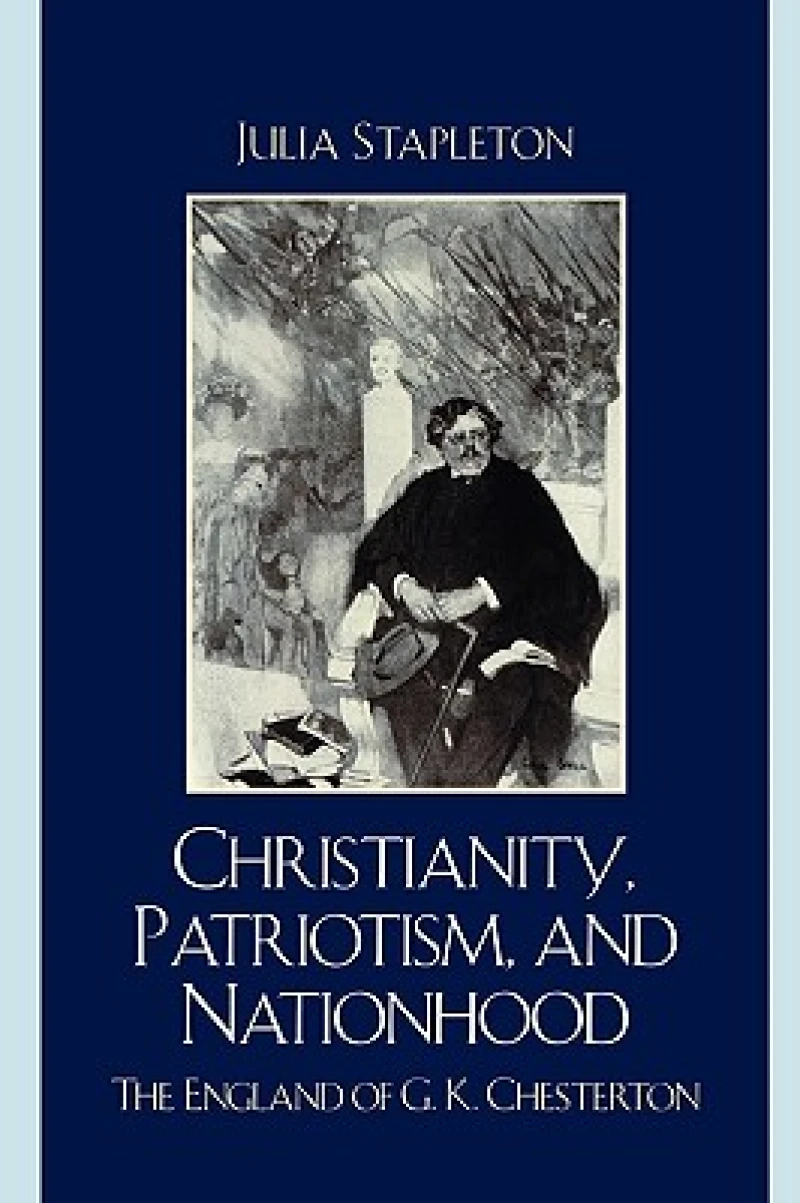
Christianity, Patriotism, and Nationhood : The England of G.K. Chesterton
Book Details
Format
Paperback / Softback
ISBN-10
0739126148
ISBN-13
9780739126141
Publisher
Bloomsbury Publishing Plc
Imprint
Lexington Books
Country of Manufacture
GB
Country of Publication
GB
Publication Date
Jan 16th, 2009
Print length
250 Pages
Weight
366 grams
Dimensions
22.70 x 15.10 x 1.80 cms
Product Classification:
Biography: literaryLiterature: history & criticismHistory
Ksh 9,850.00
Manufactured on Demand
0 in stock
Delivery Location
Delivery fee: Select location
Secure
Quality
Fast
This book links the concepts of patriotism, Christianity, and nationhood in the journalistic writings of G.K. Chesterton and emphasizes their roots within the English attachments that were central to his political and spiritual persona. It further connects Chesterton to the vibrant debate about English national identity in the early years of the twentieth century, which was instrumental in shaping not only his political convictions, but also his religious convictions. Christianity, Patriotism and Nationhood explores his changing conception of the English people from an early, menacing account of their revolutionary potential in the face of plutocracy to the more complex portraits he drew of their character on recognizing their political passivity after the First World War. As Chesterton was above all a journalist, the study considers some of the varied outlets in which he expressed his ideas as a distinctly Edwardian man of letters of a strongly patriotic persuasion. His connection with The Illustrated London News over more than three decades proved pivotal in strengthening his patriotism and discourse of nationhood vilified elsewhere, not least in advanced Liberal organs such asThe Nation. Julia Stapleton shows that he was increasingly distanced by fellow Liberals before 1918, on account of the priority he gave nationhood over the state, and patriotism over citizenship. But she argues that his English loyalties were the last echo of an aspect of Victorian Liberalism that had been progressively eroded by loss of confidence among elites in the democratic aptitude of the English people. Christianity, Patriotism and Nationhood emphasizes that Chesterton upheld a cultural rather than racial conception of national homogeneity, in keeping with the Victorian sources of his thought and the popular patriotism of Edwardian England. It argues that his anti-semitism was ancillary, rather than integral to his understanding of England, and that it was matched by a similar conception of the antithesis between Islam and the patriotic ideal. Stapleton relates his abiding concern for national 'authenticity' to global imperialism, enhanced international co-ordination of states and civil society after 1918, and the increasing role of the British state in defining the nation. This book will be valuable to intellectual and political historians of early-twentieth-century England, as well as to scholars and students of English national identity in the twenty-first century. The author gratefully acknowledges the permission of A.P. Watt Ltd on behalf of the Royal Literary Fund to quote unpublished material in the Chesterton Papers, British Library.
This book links the concepts of patriotism, Christianity, and nationhood in the journalistic writings of G.K. Chesterton and emphasizes their roots within the English attachments that were central to his political and spiritual persona. It further connects Chesterton to the vibrant debate about English national identity in the early years of the twentieth century, which was instrumental in shaping not only his political convictions, but also his religious convictions. Christianity, Patriotism and Nationhood explores his changing conception of the English people from an early, menacing account of their revolutionary potential in the face of plutocracy to the more complex portraits he drew of their character on recognizing their political passivity after the First World War. As Chesterton was above all a journalist, the study considers some of the varied outlets in which he expressed his ideas as a distinctly Edwardian man of letters of a strongly patriotic persuasion. His connection with The Illustrated London News over more than three decades proved pivotal in strengthening his patriotism and discourse of nationhood vilified elsewhere, not least in advanced Liberal organs such asThe Nation. Julia Stapleton shows that he was increasingly distanced by fellow Liberals before 1918, on account of the priority he gave nationhood over the state, and patriotism over citizenship. But she argues that his English loyalties were the last echo of an aspect of Victorian Liberalism that had been progressively eroded by loss of confidence among elites in the democratic aptitude of the English people. Christianity, Patriotism and Nationhood emphasizes that Chesterton upheld a cultural rather than racial conception of national homogeneity, in keeping with the Victorian sources of his thought and the popular patriotism of Edwardian England. It argues that his anti-semitism was ancillary, rather than integral to his understanding of England, and that it was matched by a similar conception of the antithesis between Islam and the patriotic ideal. Stapleton relates his abiding concern for national ''authenticity'' to global imperialism, enhanced international co-ordination of states and civil society after 1918, and the increasing role of the British state in defining the nation. This book will be valuable to intellectual and political historians of early-twentieth-century England, as well as to scholars and students of English national identity in the twenty-first century. The author gratefully acknowledges the permission of A.P. Watt Ltd on behalf of the Royal Literary Fund to quote unpublished material in the Chesterton Papers, British Library.
Get Christianity, Patriotism, and Nationhood by at the best price and quality guaranteed only at Werezi Africa's largest book ecommerce store. The book was published by Bloomsbury Publishing Plc and it has pages.

