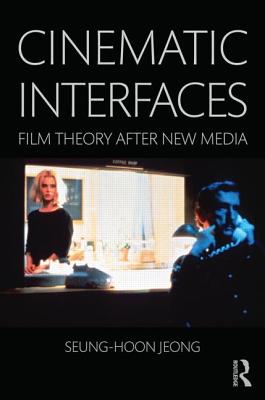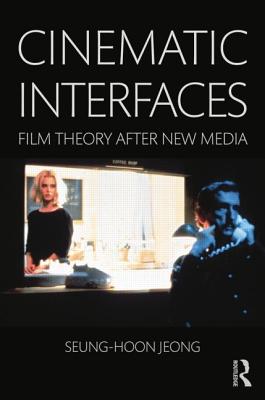
Cinematic Interfaces : Film Theory After New Media
Book Details
Delivery Location
Delivery fee: Select location
In this book, Seung-hoon Jeong introduces the cinematic interface as a contact surface that mediates between image and subject, proposing that this mediation be understood not simply as transparent and efficient but rather as asymmetrical, ambivalent, immanent, and multidirectional. Jeong enlists the new media term "interface" to bring to film theory a synthetic notion of interfaciality as underlying the multifaceted nature of both the image and subjectivity. Drawing on a range of films, Jeong examines cinematic interfaces seen on screen and the spectator?s experience of them, including: the direct appearance of a camera/filmstrip/screen, the character?s bodily contact with such a medium-interface, the object?s surface and the subject?s face as "quasi-interface," and the image itself. Each of these case studies serves as a platform for remapping and revamping major concepts in film studies such as suture, embodiment, illusion, signification, and indexicality. Looking to such theories as the ontology of the image and the phenomenology of the body, this original theorization of the cinematic interface not only offers a conceptual framework for rethinking and re-linking film and media studies, but also suggests a general theory of the interface.
Get Cinematic Interfaces by Seung-hoon Jeong at the best price and quality guaranteed only at Werezi Africa's largest book ecommerce store. The book was published by Taylor & Francis Ltd and it has 269 pages.
Customers Who Bought This Also Bought
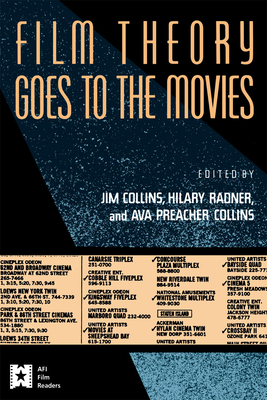
Film Theory Goes to the Movies
KSh 8,350.00

Fassbinder Thousands of Mirrors
KSh 2,350.00

Mark Kermode''s Surround Sound
KSh 3,400.00
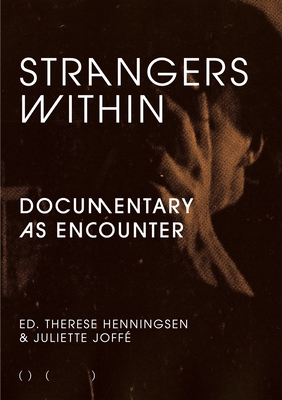
Strangers Within
KSh 2,700.00

Marvel Studios'' The Infinity Saga - Black Panther: The Art of the Movie
KSh 6,650.00

History of Film
KSh 2,550.00

Greta Gerwig’s Barbie
KSh 4,700.00
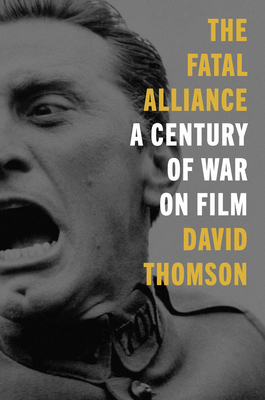
The Fatal Alliance
KSh 4,500.00
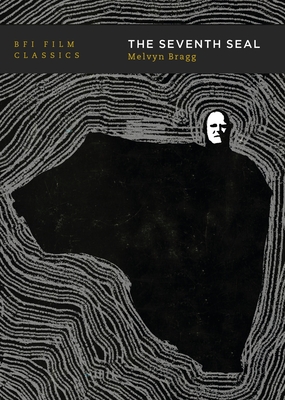
Seventh Seal
KSh 2,350.00
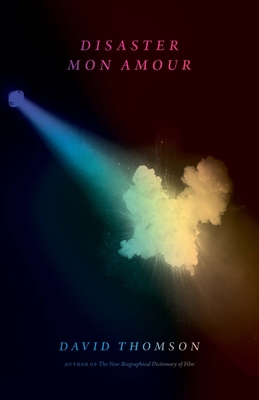
Disaster Mon Amour
KSh 3,400.00

Spider-Man
KSh 9,550.00

Revolutionary Melodrama
KSh 9,250.00