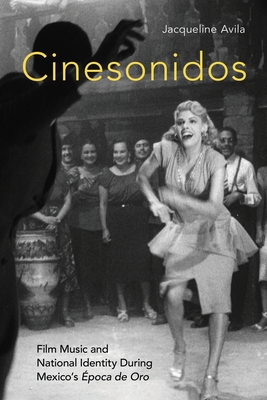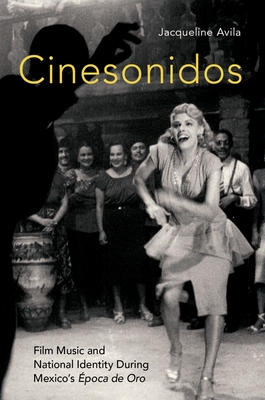
Cinesonidos : Film Music and National Identity During Mexico's Epoca de Oro
Book Details
Format
Hardback
Book Series
Oxford Music/Media Series
ISBN-10
0190671300
ISBN-13
9780190671303
Publisher
Oxford University Press Inc
Imprint
Oxford University Press Inc
Country of Manufacture
US
Country of Publication
GB
Publication Date
Oct 14th, 2019
Print length
288 Pages
Weight
630 grams
Dimensions
15.70 x 23.60 x 2.30 cms
Product Classification:
Films, cinemaMusic: styles & genres
KSh 20,500.00
Temporarily out of stock, due soon
0 in stock
Delivery Location
Delivery fee: Select location
Secure
Quality
Fast
Author Jacqueline Avila looks at the ways that Mexican cinema and its music during the silent and early sound periods continuously reshaped the contested, fluctuating space of Mexican identity, functioning both as a sign and symptom of social and political change.
During Mexico''s silent (1896-1930) and early sound (1931-52) periods, cinema saw the development of five significant genres: the prostitute melodrama (including the cabaretera subgenre), the indigenista film (on indigenous themes or topics), the cine de añoranza porfiriana (films of Porfirian nostalgia), the Revolution film, and the comedia ranchera (ranch comedy). In this book, author Jacqueline Avila looks at examples from all genres, exploring the ways that the popular, regional, and orchestral music in these films contributed to the creation of tropes and archetypes now central to Mexican cultural nationalism. Integrating primary source material--including newspaper articles, advertisements, films--with film music studies, sound studies, and Mexican film and cultural history, Avila examines how these tropes and archetypes mirrored changing perceptions of mexicanidad manufactured by the State and popular and transnational culture. As she shows, several social and political agencies were heavily invested in creating a unified national identity in an attempt to merge the previously fragmented populace as a result of the Revolution. The commercial medium of film became an important tool to acquaint a diverse urban audience with the nuances of Mexican national identity, and music played an essential and persuasive role in the process. In this heterogeneous environment, cinema and its music continuously reshaped the contested, fluctuating space of Mexican identity, functioning both as a sign and symptom of social and political change.
Get Cinesonidos by Jacqueline Avila at the best price and quality guaranteed only at Werezi Africa's largest book ecommerce store. The book was published by Oxford University Press Inc and it has 288 pages.
Customers Who Bought This Also Bought

Worthy
KSh 3,500.00

Angels And Demons
KSh 1,900.00

Thinking in Pictures
KSh 6,100.00

Reel to Real
KSh 4,500.00

Duke in His Domain
KSh 550.00

The Lord of the Rings Tarot and Guidebook
KSh 4,150.00
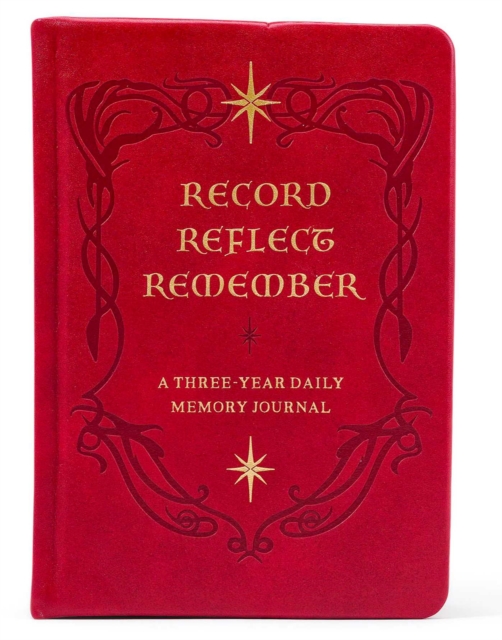
The Lord of the Rings Memory Journal
KSh 2,200.00

With Nails
KSh 2,000.00
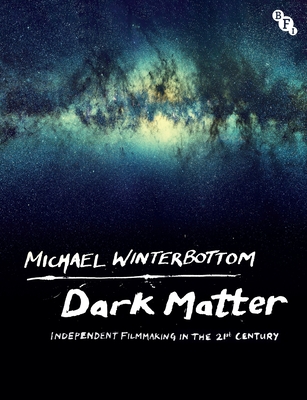
Dark Matter
KSh 3,600.00

Marvel''s Black Panther - Script To Page
KSh 3,250.00

Warner Bros – The Making of an American Movie Studio
KSh 2,750.00

A Deadly Episode
KSh 3,950.00