
Search

Categories

    • categories-img Jacket, Women
    • categories-img Woolend Jacket
    • categories-img Western denim
    • categories-img Mini Dresss
    • categories-img Jacket, Women
    • categories-img Woolend Jacket
    • categories-img Western denim
    • categories-img Mini Dresss
    • categories-img Jacket, Women
    • categories-img Woolend Jacket
    • categories-img Western denim
    • categories-img Mini Dresss
    • categories-img Jacket, Women
    • categories-img Woolend Jacket
    • categories-img Western denim
    • categories-img Mini Dresss
    • categories-img Jacket, Women
    • categories-img Woolend Jacket
    • categories-img Western denim
    • categories-img Mini Dresss

Filter By Price

$
-
$

Dietary Needs

Top Rated Product

product-img product-img

Modern Chair

$165.00
product-img product-img

Plastic Chair

$165.00
product-img product-img

Design Rooms

$165.00

Brands

  • Wooden
  • Chair
  • Modern
  • Fabric
  • Shoulder
  • Winter
  • Accessories
  • Dress

Welcome and thank you for visiting us. For any query call us on 0799 626 359 or Email [email protected]

Offcanvas Menu Open

Shopping Cart

Africa largest book store

Sub Total:

Search for any Title

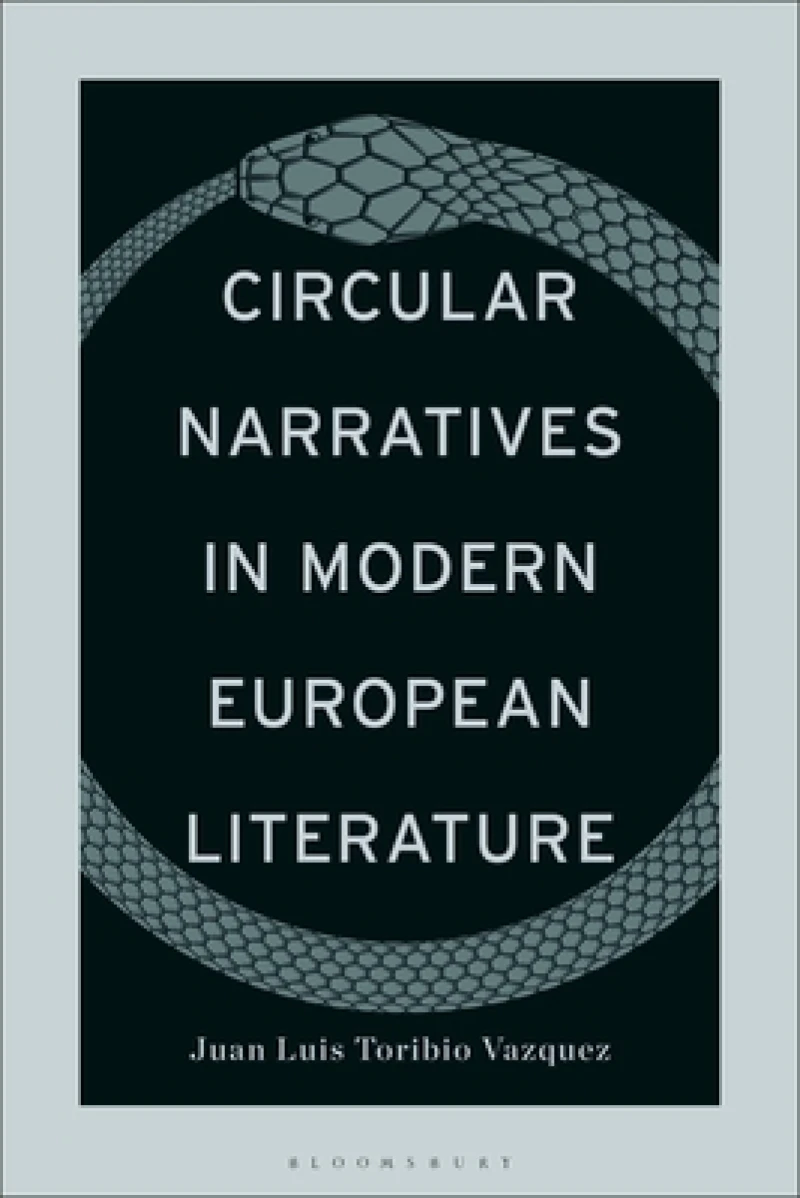
Circular Narratives in Modern European Literature

By: (Author) Juan Luis Toribio Vazquez

Werezi Extended Catalogue
Delivery in 14 days

Ksh 16,600.00

Format: Hardback or Cased Book

ISBN-10: 1501384872

ISBN-13: 9781501384875

Publisher: Bloomsbury Publishing Plc

Imprint: Bloomsbury Academic USA

Country of Manufacture: GB

Country of Publication: GB

Publication Date: Jul 14th, 2022

Print length: 248 Pages

Weight: 512 grams

Dimensions (height x width x thickness): 15.90 x 23.60 x 2.20 cms

Choose your Location

Shipping & Delivery

Door Delivery

Delivery fee

Delivery in 14 days

  • Description

  • Reviews

Breaking with linearity – the ruling narrative model in the Jewish-Christian tradition since the ancient world – many 20th-century European writers adopted circular narrative forms. Juan Luis Toribio Vazquez shows this trend was not a unified nor conscious movement, but rather a series of works arising sporadically in different countries at different times, using a variety of circular structures to express similar concerns and ideas about the world. This study also shows how the renewed understanding of narrative form leading to this circular trend was anticipated by Nietzsche’s critiques of truth, knowledge, language and metaphysics, and especially by his related discussions of nihilism and the eternal recurrence. Starting with an analysis of the theory and genealogy of linear narrative, the author charts the emergence of Nietzsche’s idea of eternal return, before then turning to the history of the circular narrative trend. This history is explored from its inception, in the works of August Strindberg, Gertrude Stein and Azorín; through its development in the interwar years, by writers such as Raymond Queneau and Vladimir Nabokov; to its full flowering in the work of authors James Joyce or Samuel Beckett, among others; and its later employment by post-war writers, including Alain Robbe-Grillet, Italo Calvino and Maurice Blanchot. Through a series of close readings, the book aims to highlight the various ways in which narrative circularity serves to break with an essentially teleological and theological thinking. Finally, Toribio Vazquez concludes by proposing a new typology of non-linear narratives, which builds on the work of recent narratologists.

Breaking with linearity – the ruling narrative model in the Jewish-Christian tradition since the ancient world – many 20th-century European writers adopted circular narrative forms. Juan Luis Toribio Vazquez shows this trend was not a unified nor conscious movement, but rather a series of works arising sporadically in different countries at different times, using a variety of circular structures to express similar concerns and ideas about the world. This study also shows how the renewed understanding of narrative form leading to this circular trend was anticipated by Nietzsche’s critiques of truth, knowledge, language and metaphysics, and especially by his related discussions of nihilism and the eternal recurrence.

Starting with an analysis of the theory and genealogy of linear narrative, the author charts the emergence of Nietzsche’s idea of eternal return, before then turning to the history of the circular narrative trend. This history is explored from its inception, in the works of August Strindberg, Gertrude Stein and Azorín; through its development in the interwar years, by writers such as Raymond Queneau and Vladimir Nabokov; to its full flowering in the work of authors James Joyce or Samuel Beckett, among others; and its later employment by post-war writers, including Alain Robbe-Grillet, Italo Calvino and Maurice Blanchot. Through a series of close readings, the book aims to highlight the various ways in which narrative circularity serves to break with an essentially teleological and theological thinking. Finally, Toribio Vazquez concludes by proposing a new typology of non-linear narratives, which builds on the work of recent narratologists.


Get Circular Narratives in Modern European Literature by at the best price and quality guranteed only at Werezi Africa largest book ecommerce store. The book was published by Bloomsbury Publishing Plc and it has pages. Enjoy Shopping Best Offers & Deals on books Online from Werezi - Receive at your doorstep - Fast Delivery - Secure mode of Payment

Customer Reviews

Based on 0 reviews

Mind, Body, & Spirit
